In the 1980s, Leo Buscaglia, also known as “Dr. Love,” was a household name in America. His books, such as “Living, Loving and Learning,” were flying off bookstore shelves, PBS featured his lectures on love, and fans flocked to his public appearances. One quote attributed to him remains popular today: “Too often we underestimate the power of a touch, a smile, a kind word, a listening ear, an honest compliment, or the smallest act of caring, all of which have the potential to turn a life around.”
Data and personal experience back Buscaglia’s claim. Honest compliments sincerely delivered can brush away some of the clouds on a bad day and bring more sunshine to a good one. They kindle the reward keys in the brain, releasing dopamine and serotonin, brightening up a person’s mood and motivation. Givers of compliments receive a reward as well: a release of oxytocin that induces a feeling of closeness and warmth.
Sounds like a win-win, yes? It is, and here’s some good news: Compared with people in some cultures, Americans in general are free and easy with praise. Compliments in the land of the red, white, and blue pop up naturally in small talk among friends and serve as icebreakers when introducing ourselves to strangers.
Even so, disbursing compliments doesn’t come naturally to many people. Before looking at ways to improve our delivery of praise for another, let’s consider some stumbling blocks.
Blind, Cautious, Bashful
Our days are frequently 100-yard dashes rather than distance events. We’re sprinting just to keep up, which means we overlook altogether the excellent service some store clerk has provided or the intern at the office who probably pulled an all-nighter to finish a report. In our obsessive effort to reach a finish line, we can be blind to the good deeds done by others that are helping us along the way.
We’re also fearful of being misunderstood. A misinterpreted remark in the workplace, for instance, can bring charges of sexual harassment or favoritism. Even an old guy like me has to choose his words with care when complimenting a barista on her new outfit or hairstyle.
In addition, many people resist applauding others simply because they’re shy or because they’re afraid of sounding foolish or stupid. We want to fix a medal to someone’s chest, but we’re afraid of sticking them with the pin. An attorney wants to commend the nighttime janitor for a consistent job well done, for instance, but fears he will sound patronizing.
Perhaps the saddest reason a good word is often left unspoken is that we think compliments are worthless. No one really cares, we tell ourselves, and we move on.
This simply isn’t true. Search online for “the power of a compliment,” and you’ll find several dozen articles with those very words in the title. Here’s an example from my own experience.
About a year ago, a woman working the self-checkout station of our local grocery store caught my eye. She was always smiling, always helpful and ready with a cheerful word, and never on her cellphone. One afternoon, I asked her to accompany me to the nearby customer service desk, and there I sang her praises to a manager. I think it embarrassed her to no end, and we’ve never had occasion to speak since then, but I have noticed that she now has charge of all the other cashiers.
Tips for Delivering More Powerful Accolades
Whether you’re looking to brush up on your skills or you’re just nervous about what to say when complimenting someone, “
The Power of a Great Compliment” at Emily Post Institute Inc. provides some quick, helpful tips. “Use the right dosage,” for instance, reminds us to avoid overblown compliments or careless remarks. “Stay in the moment” is perhaps the article’s most important piece of advice. Put down the phone, stop shuffling through papers, and deliver the pat on the back while focusing on the person. Authenticity puts the shine on a compliment.
In her article “The Power of Giving Compliments: 7 Ways to Do It Better,” Leslie M. Gutman offers this wise advice: Make the comment specific to the cause. Instead of just saying “Great job” to an employee who put together a report in a timely manner, commend something particular to the work itself—its accuracy, for instance, or its comprehensive points.
As so many commentators on this subject point out, Gutman advises those delivering compliments to refrain from stressing appearance too much of the time. That approach not only can become a little creepy but also, more broadly, neglects the inner person and his real accomplishments.
Kristen Mae strongly seconds this opinion in her article “Why Non-Physical Compliments Are So Important.” She goes to great lengths to make clear how the praise showered on her good looks as a girl and a young woman—she participated in beauty pageants and was a cheerleader—eventually left her feeling empty inside, devoid of a real and lasting sense of achievement in her youth.
3 Special Ways to Cheer On Others
In most circumstances, compliments involve the spoken word. There are, however, times when silence and a listening ear pay one of the highest compliments possible. The attentiveness we show to a friend who comes to us with troubles is a quiet acclamation of our close bond and demonstrates respect.
Genuinely seeking out the opinion of others when we’re facing some dilemma pays tribute to their wisdom and experience. It’s a compliment to us when they do the same. During the Revolutionary War, George Washington, who was well known for his listening skills, sought and accepted the advice of his officers in conference, a tactic that not only saved him from mistakes on the battlefield but also was indicative of the value he placed on those men.
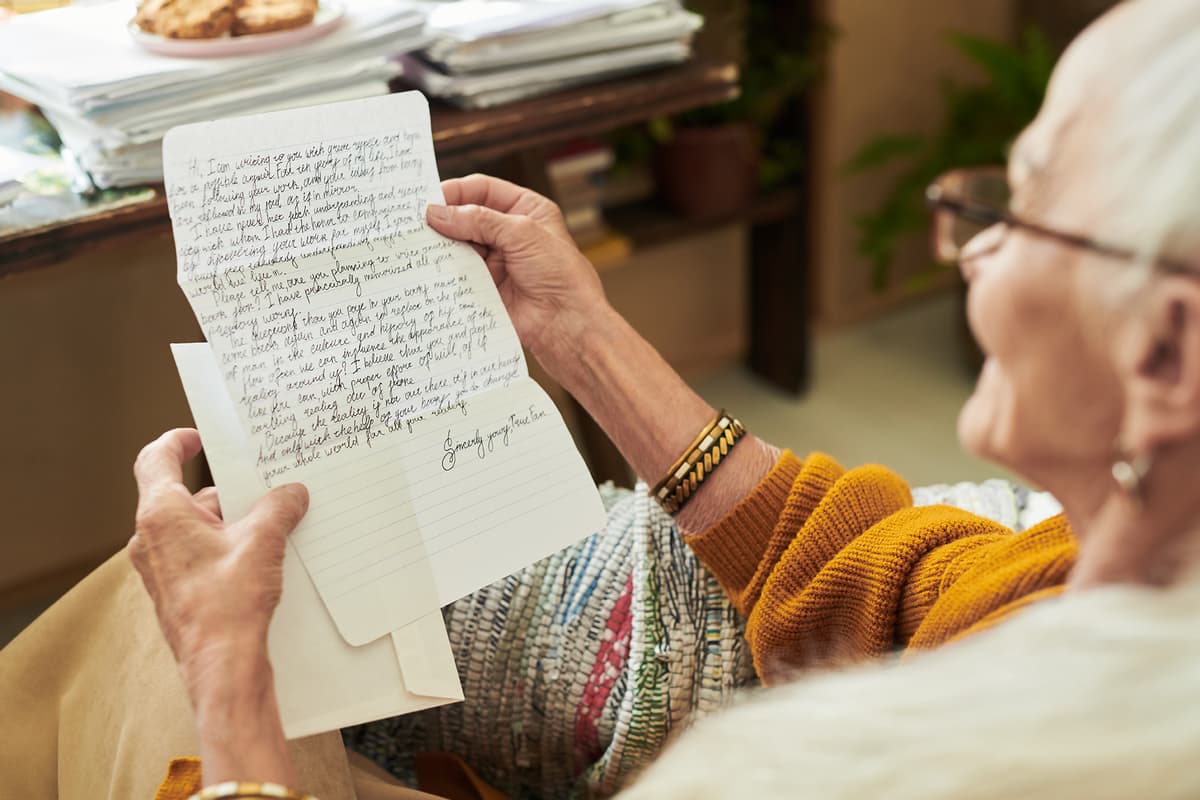
Finally, there is that high peak of praise, the written compliment. With handwritten letters being as rare as fountain pens these days and with compliments in short supply, even a brief note of applause mailed or handed to another can strike with the combined force of a lightning bolt and a bouquet of roses. Write a letter of appreciation and praise for that uncle who so often helped you find your way as a teenager or that coach who taught you the value of sweat and effort, and you’ve bestowed on that person one of the greatest compliments in the world.
(Pressmaster/Shutterstock)
The Biggest Test
Complimenting a mechanic who replaced the starter in your beater car is a one-time transaction. Extolling the good points of a spouse is another proposition altogether. While marriage experts stress the many benefits of praising one’s wife or husband and warn against the deadening effects of complacency, the familiarity brought by the years is a challenge. How do you find something new and different to cheer about?
These same counselors and commentators respond with similar answers: Keep awake and notice the everyday things that are worthy of praise. Did your husband spend a Saturday cleaning house or shaping up the yard? Tell him you admire his effort and how good it looks. Did your wife endure an awful week of stress at work? “You handled this so well; I’m so proud of you” makes her aware you’ve noticed. Is she decked out in a new dress that gives her a special glow? Tell her so.
It’s really simple. These compliments are a way of saying “I love you.”
Many of us today would like to bring positive change in our country and communities. A sincere compliment makes for a great first step in that transformation. It requires no money, no government funding or regulation, and only a bit of time to bring a smile and joy to another person. What’s more, compliments are often contagious. They inspire others to spread that joy through compliments of their own. So why not make the effort every day to find some good in the world and reward it with praise?
Compliments make for better people, and better people make for a better country.