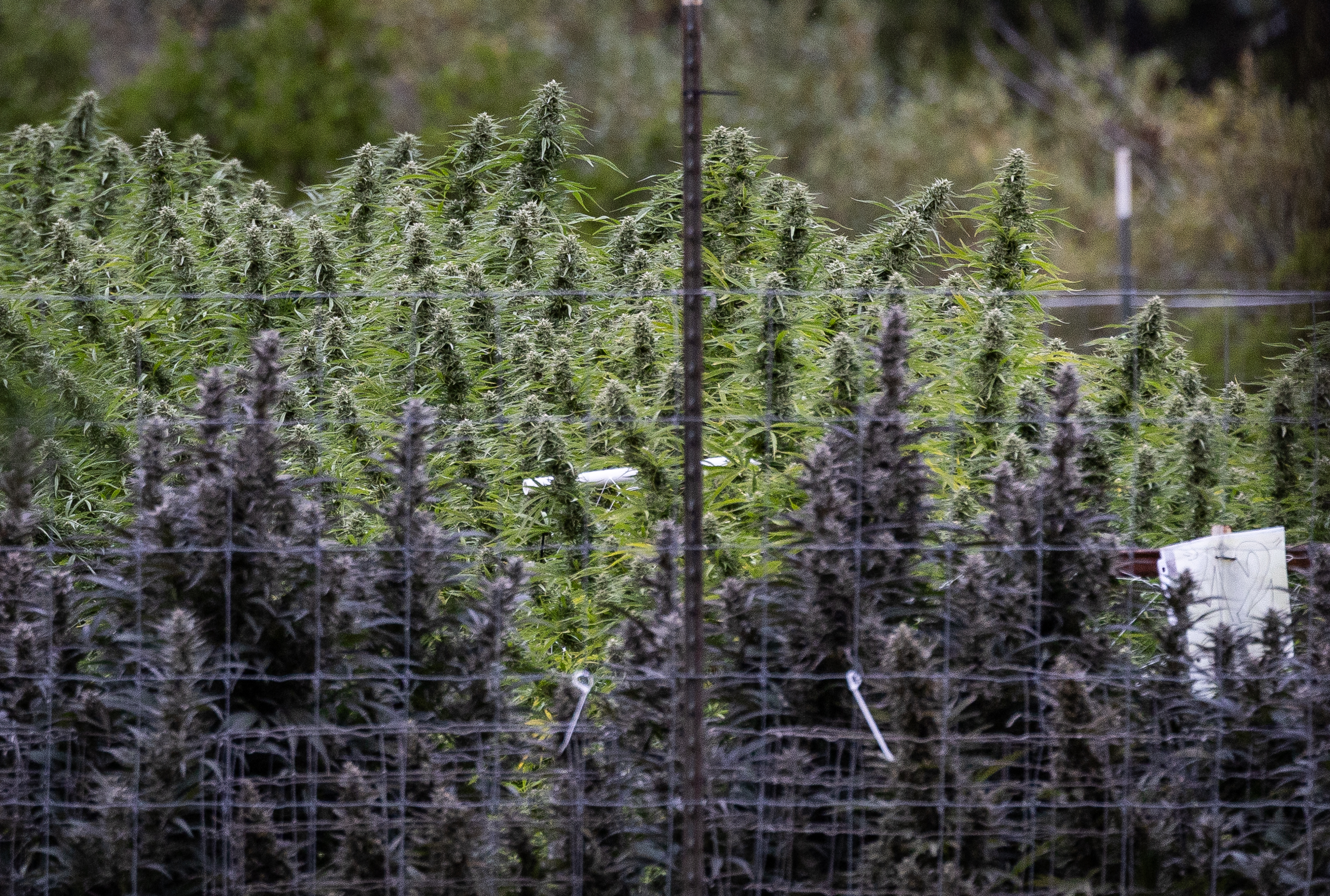

A new review of more than 120 studies concluded that there is little evidence supporting the use of medical cannabis for a variety of conditions, including insomnia.
The U.S. Food and Drug Administration has approved cannabinoids, a chemical compound extracted from cannabis, for chemotherapy-induced nausea and vomiting and seizures, among other conditions. Many patients use cannabinoids or other medical cannabis for other conditions, such as anorexia, insomnia, and chronic pain, either through off-label prescriptions or through state availability.
A look at research published from January 2010 through September, though, showed that for many conditions, “evidence is insufficient,” researchers with the University of California, Los Angeles (UCLA) and other institutions said in the review, which was published Nov. 26 by the Journal of the American Medical Association.
The evidence base featured more than 120 studies, including some randomized. placebo-controlled clinical trials.
“While many people turn to cannabis seeking relief, our review highlights significant gaps between public perception and scientific evidence regarding its effectiveness for most medical conditions,” Dr. Michael Hsu, one of the authors and a health sciences clinical instructor at the UCLA Health Department of Psychiatry and Biobehavioral Sciences, said in a statement. “Clear guidance from clinicians is essential to support safe, evidence-based decision-making when discussing medical cannabis with their patients.”
He also said, “Patients deserve honest conversations about what the science does and doesn’t tell us about medical cannabis.”
At the same time, the products can lead to problems such as dry mouth, diarrhea, and dizziness, and long-term health outcomes are still being studied.
There is evidence supporting treating certain conditions, such as nausea and vomiting, with medical cannabis or cannabinoids, the researchers said.
Limitations of the research included not covering the risk of bias for the studies that were analyzed, and some of the studies analyzed for the review being observational.
“Further research is crucial to better understand the potential benefits and risks of medical cannabis,” Hsu stated. “By supporting more rigorous studies, we can provide clearer guidance and improve clinical care for patients.”
Conflict of interest disclosures included Hsu reporting being on the advisory board for Healthy Gamer, a platform that creates content and provides mental health coaching for youth. The research was supported by the Greater Los Angeles Veterans Affairs Medical Center. The center did not have a role in the design or conduct of the study, or the interpretation of the data, the authors said.