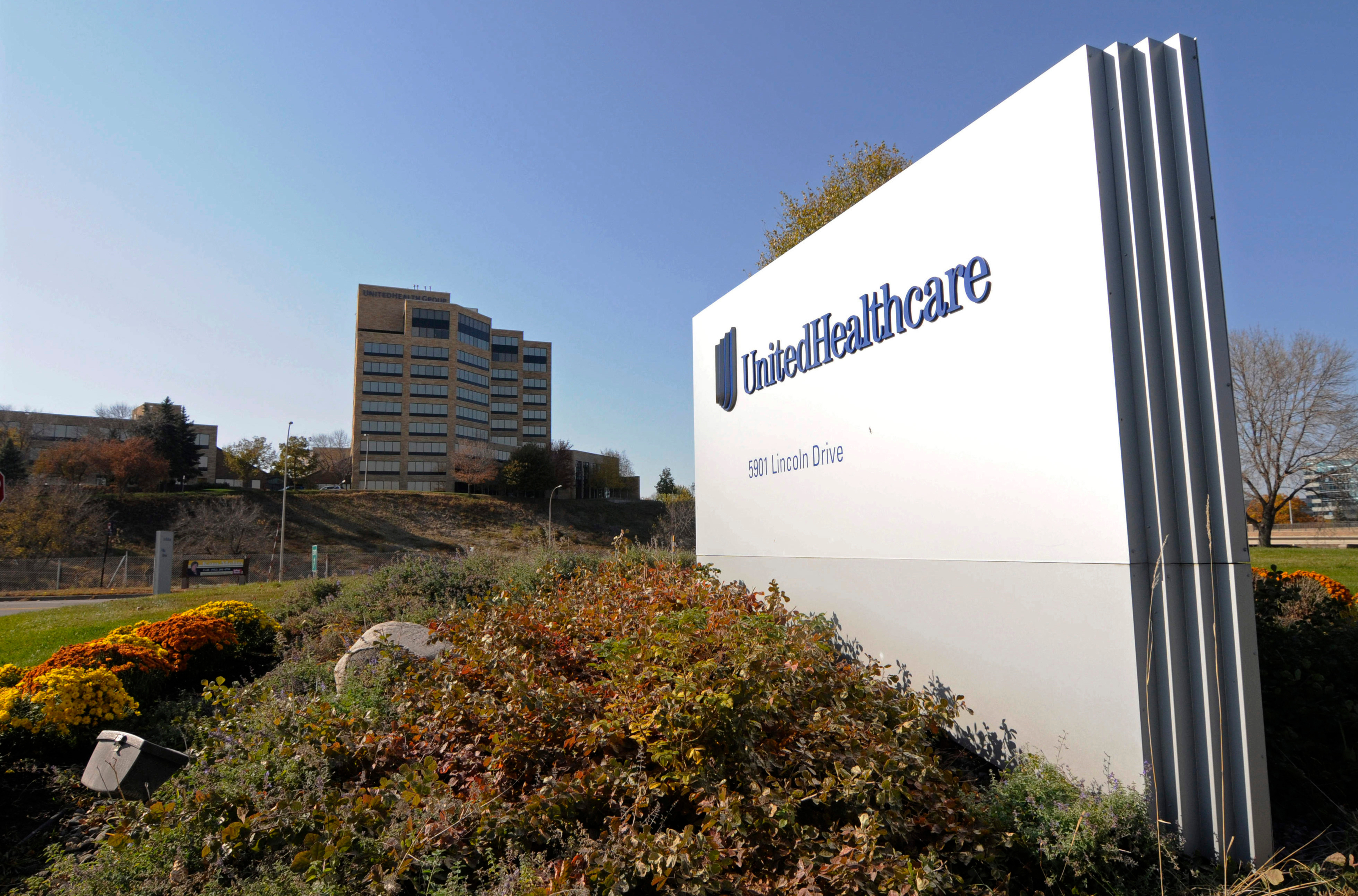

Massachusetts sued UnitedHealthcare on May 29, alleging the company defrauded the state’s Medicaid program by making seniors appear sicker than they were to secure higher payments.
The company contracted with MassHealth to provide a Senior Care Options—which combines Medicare and Medicaid benefits into one plan—for seniors aged 65 and older.
UnitedHealthcare allegedly received more than $100 million in fraudulent payments from MassHealth between 2015 and 2025, Massachusetts Attorney General Andrea Joy Campbell stated in the complaint.
UnitedHealthcare, a subsidiary of UnitedHealth Group, said the complaint is “meritless and doesn’t accurately describe our Senior Care Options program” in a statement emailed to The Epoch Times.
The legal complaint alleged UnitedHealthcare inflated payment rates in three ways.
Upcoding
Massachusetts paid UnitedHealthcare a per-member, per-month rate for each senior enrolled in the plan based on UnitedHealthcare’s assessments of the member’s health conditions.
UnitedHealthcare allegedly labeled members as having behavioral health disorders such as depression or anxiety, or substance use disorders to gain higher reimbursement rates, according to the complaint, when the members had no diagnosis or treatment on record for such conditions.
An analysis by the attorney general’s office revealed that nearly 30 percent of UnitedHealthcare’s 2014 through 2024 behavioral health assessments lacked any matching medical claims to support the mental health diagnoses reported to the state.
Keeping Overpayments
The insurer’s internal reviews identified that many members were incorrectly placed in the highest and most expensive level of care despite not qualifying for it, according to the lawsuit.
While the company eventually downgraded these members to lower-paying levels, it allegedly failed to inform the state of the prior errors or return the extra money it had already collected.
Unneeded or Nonexistent Nursing Services
The insurer was paid $1.4 billion for members who did not qualify for the most expensive status, but the insurer justified the rate by submitting assessments claiming members required daily or frequent skilled nursing care, the complaint alleged.
However, an investigation revealed that most of these members neither received nor actually needed the specialized nursing services, according to the complaint.
Out of more than 88,000 assessments for the highest payment level, UnitedHealthcare asserted that 99.3 percent of those members were receiving nursing visits seven days a week. However, the complaint alleged that almost 90 percent of those members had not received a single nursing visit in the week before UnitedHealthcare filed the assessment.
Arguments
A January Senate report accused UnitedHealth Group of using high-tech scanners and a team of specialists to capture profitable, extra diagnoses in beneficiaries to maximize federal payments from the Medicare Advantage program.
The corporation issued a statement that same day, citing studies that it had commissioned to argue that Medicare Advantage saves money for both the government and beneficiaries.
The Attorney General’s Office alleged that these were intentional failures, the result of a “growth at all costs” strategy employed by UnitedHealthcare that incentivized and encouraged field nurses to code MassHealth members as sicker or less able than they were.
Bernadette Di Re, the CEO of UnitedHealthcare’s plan in Massachusetts from 2011 through 2020, allegedly attributed pressure to “cut staff,” “[g]et more numbers,” and “[g]et more money from the state” as the reason she resigned and left the company, the lawsuit stated.
“The state’s managed care plans need to act in good faith on behalf of their members and the financial resources of our state’s Medicaid program. Our investigation found that UnitedHealthcare knowingly violated these obligations by manipulating health assessments to increase its profits,” said Campbell in a statement.
The company responded in a statement: “The Attorney General is simply wrong that Massachusetts seniors with complex care needs should not be receiving the support and services UnitedHealthcare is helping to provide. We remain focused on working with our state partner to help our members live healthier lives.”
Lawrence Wilson contributed to the report.