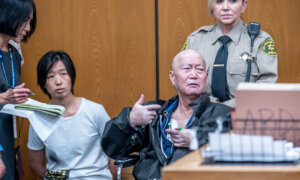

Lyle Menendez was denied parole on Aug. 22, just a day after his brother Erik was also refused a release from prison following the 1989 killing of their parents in Southern California.
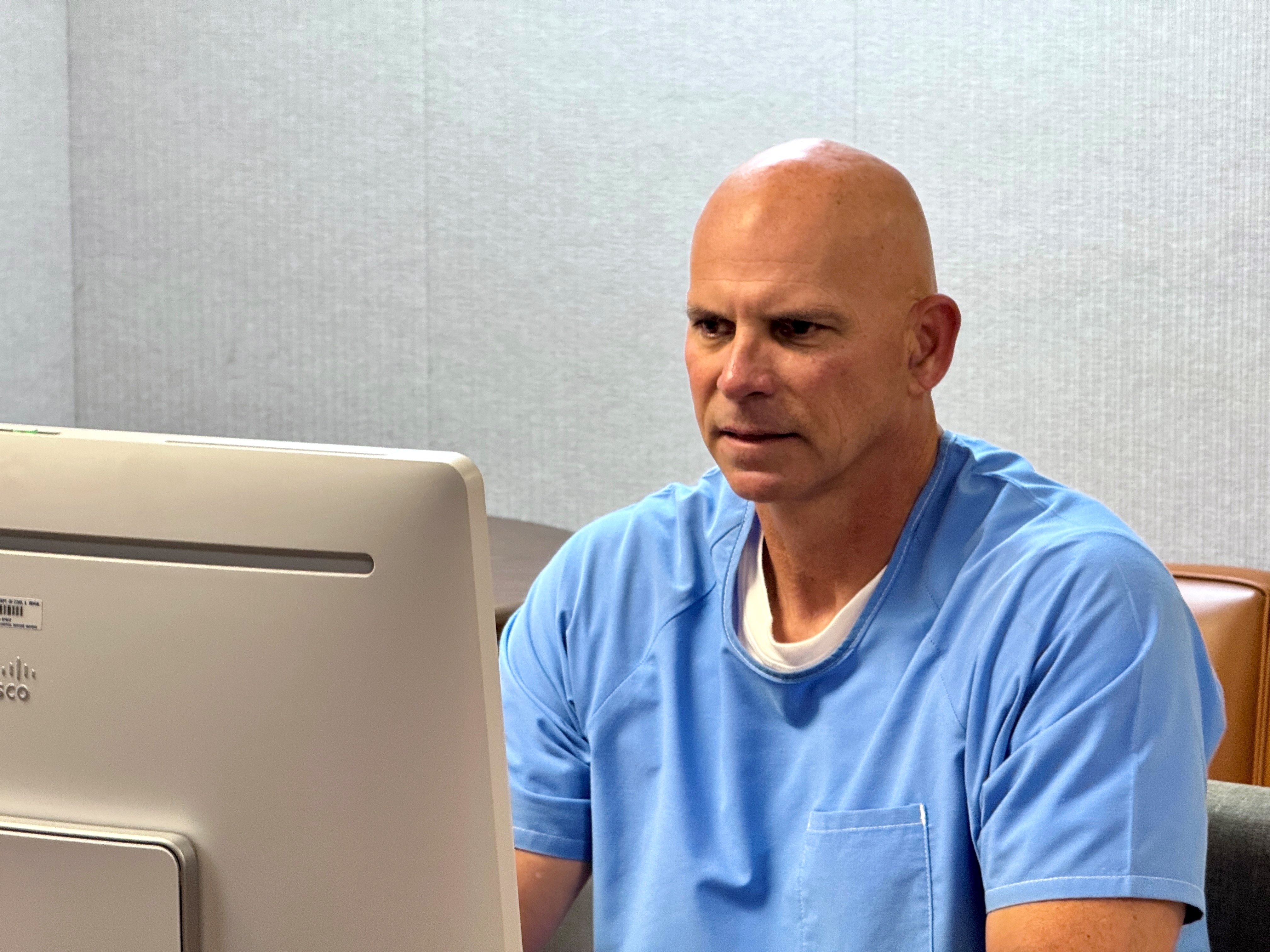
Menendez appeared virtually from the San Diego prison before a panel of two commissioners, who are not the same ones who handled his brother’s hearing on Aug. 21.
The California Board of Parole Hearings decided that Menendez should not be eligible for parole for three years, citing behavioral issues, similar to the grounds for Erik’s parole rejection.
During the hearing, Menendez apologized for the crime and told commissioners that he bore sole responsibility for the murders of his parents.
“I will never be able to make up for the harm and grief I caused everyone in my family,” he said. “I am so sorry to everyone, and I will be forever sorry.”
Commissioner Julie Garland said the panel acknowledged that his remorse was genuine but added that he still exhibited “anti-social personality traits like deception, minimization, and rule-breaking.”
“We do understand that you had very little hope of being released for years,” Garland said. “Citizens are expected to follow the rules whether or not there is some incentive to do so.”
The panel pointed to his use of cellphones in prison, which Menendez said was his way of maintaining close contact with his family.
“I had convinced myself that this wasn’t a means that was harming anyone but myself in a rule violation,” he said.
The brothers—Erik was 18 and Lyle was 21 at the time of the killings—said they acted out of self-defense following years of sexual abuse at the hands of their father, José Menendez, that went ignored by their mother, Kitty Menendez, but prosecutors said the brothers killed their parents for a multimillion-dollar inheritance.
The two were initially sentenced to life without parole. In May, their sentences were reduced to 50 years to life, making them eligible for parole after serving more than 30 years in prison. Erik was denied parole on Aug. 21 because of violations of prison rules, including cellphone use and allegations that he worked with a prison gang.
Los Angeles County District Attorney Nathan Hochman issued a statement after Erik’s hearing, saying the panel’s decision “reflects a careful, evidence-based assessment of the facts and parole factors.”
“The Board correctly determined that Erik Menendez’s actions speak louder than words, and that his conduct in prison and current mentality demonstrates that he still poses an unreasonable risk of danger to the community,” Hochman stated.
California Gov. Gavin Newsom has the final say on whether the two will be released. In February, Newsom ordered the state parole board to investigate whether they would pose a risk to the public if granted parole.
The Associated Press contributed to this report.