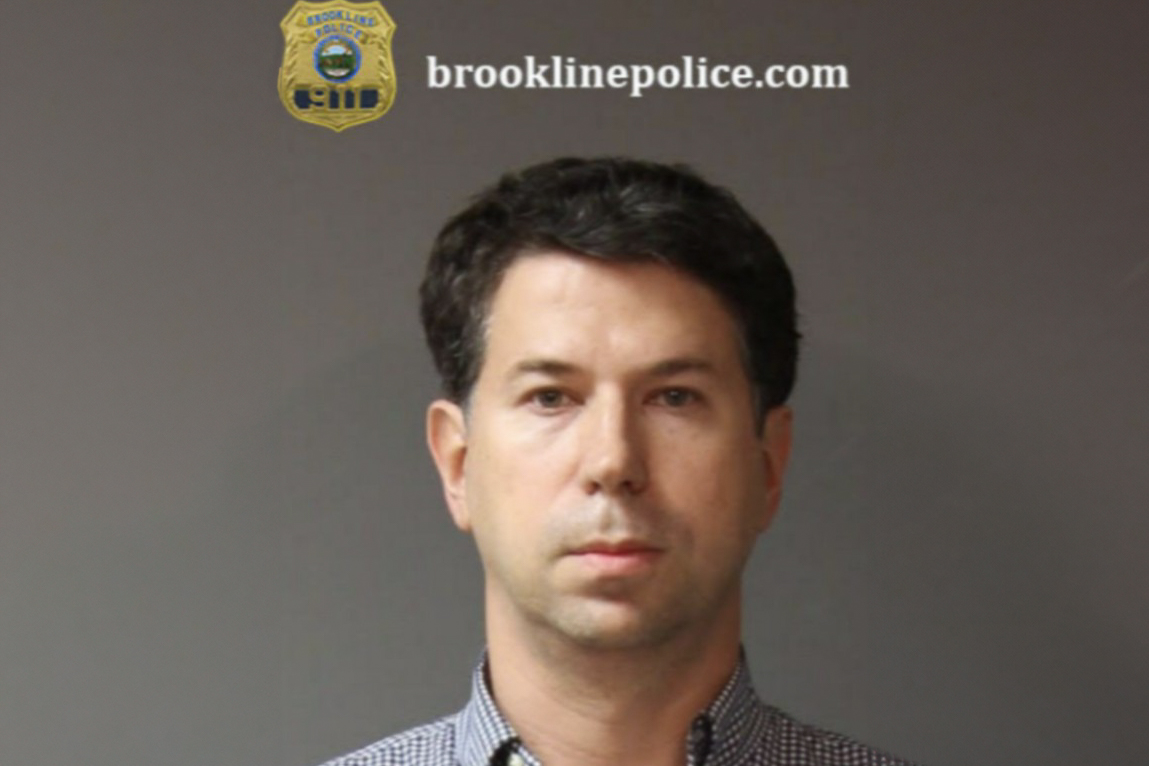

U.S. immigration authorities arrested visiting Harvard Law School Professor Carlos Portugal Gouvea on Dec. 3 following an alleged antisemitic shooting incident outside of a synagogue in the Greater Boston area the day before Yom Kippur—the holiest day of the year in Judaism.
This is the second arrest for Gouvea, 43, a Brazilian national, after authorities say he shot near the synagogue using a pellet gun.
In a plea deal last month involving local charges after the incident, Gouvea did not admit to being motivated by antisemitism. He insisted that he was “hunting rats” when he pumped two shots of pellets through a car window across from Temple Beth Zion while worshippers attended service inside.
Gouvea denied having antisemitic motivations.
The synagogue was on lockdown while its private security team searched for and found Gouvea behind a tree. He put his gun down when approached by security and fled, according to police. He was later arrested at home, according to The Jewish Post and News.
U.S. Department of Homeland Security (DHS) Assistant Secretary Tricia McLaughlin called the incident an “unacceptable threat.”
“There is no room in the United States for brazen, violent acts of anti-Semitism like this,” McLaughlin said in a statement. “They are an affront to our core [principles] as a country and an unacceptable threat against law-abiding American citizens.”
The United States is not obligated to admit foreigners who commit “reprehensible acts” or let them stay in the country, according to McLaughlin.
Gouvea was first arrested by local authorities four days after the Oct. 1 shooting at Temple Beth Zion in Brookline, Massachusetts.
He was charged locally with illegally discharging a pellet gun, disorderly conduct, disturbing the peace, and maliciously vandalizing property.
The law professor was placed on leave by the university following his initial arrest.
However, local authorities did not file any hate-related charges after leaders of the synagogue told congregants in an email that they believe that Gouvea’s actions were “not fueled by antisemitism.”
On Oct. 16, the DHS revoked his visa.
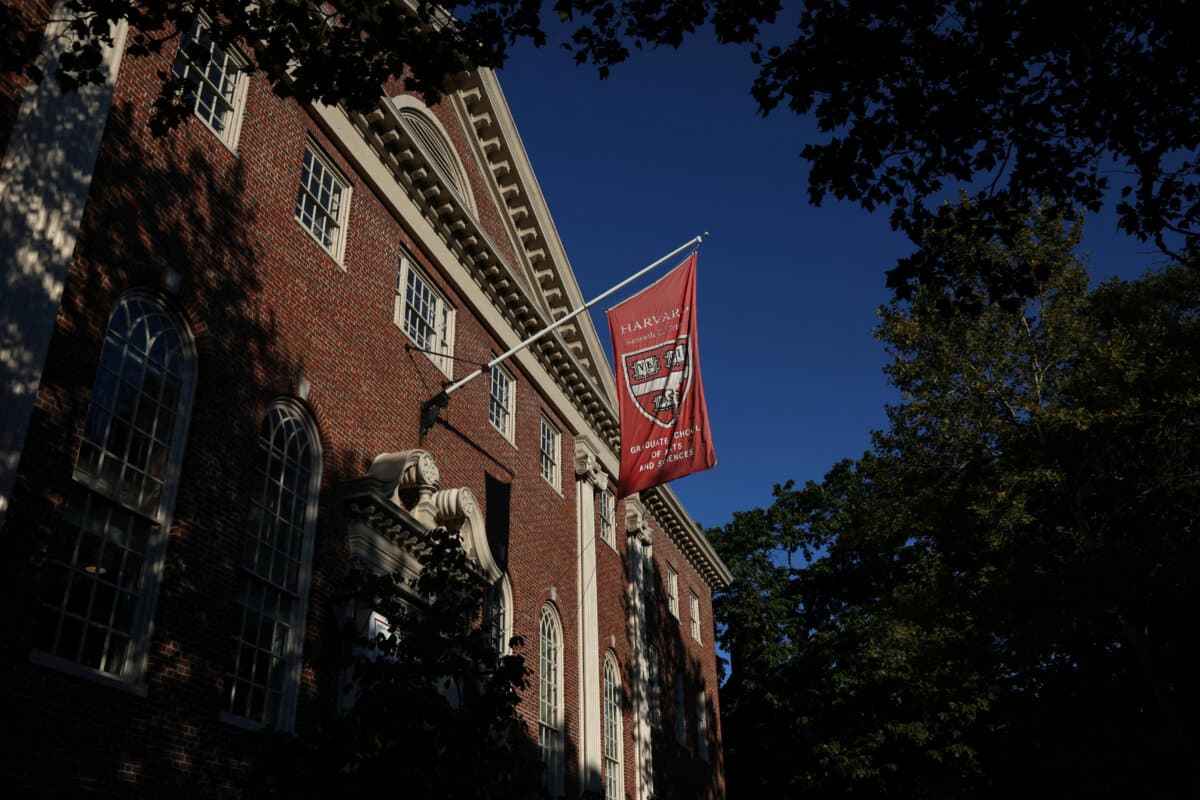
A flag hangs on campus at Harvard University in Cambridge, Mass., on Sept. 4, 2025. (REUTERS/Shannon Stapleton/File Photo)
Gouvea pleaded guilty to the local charge of illegally using an air rifle as part of a plea deal to drop the other charges. He was placed on probation on Nov. 21.
DHS officials said he agreed to leave the United States after his federal arrest on Dec. 3 instead of facing deportation.
Harvard Law School did not return a request for comment about Gouvea’s standing with the university following his arrest.
He earned a law degree from the university in 2008 and is an associate professor at the University of São Paulo Law School in Brazil. He has focused on corporate governance, corporate ethical governance, and human rights.
The state has seen an uptick in hate-related crime against its Jewish community in recent years.
Massachusetts officials reported a 25 percent increase in hate crimes from 2022 to 2023. The biggest rise was seen in antisemitic crimes, which jumped by 70 percent in 2023, according to the state’s data.
Antisemitic crime increased by another 21 percent in 2024, the state reported.
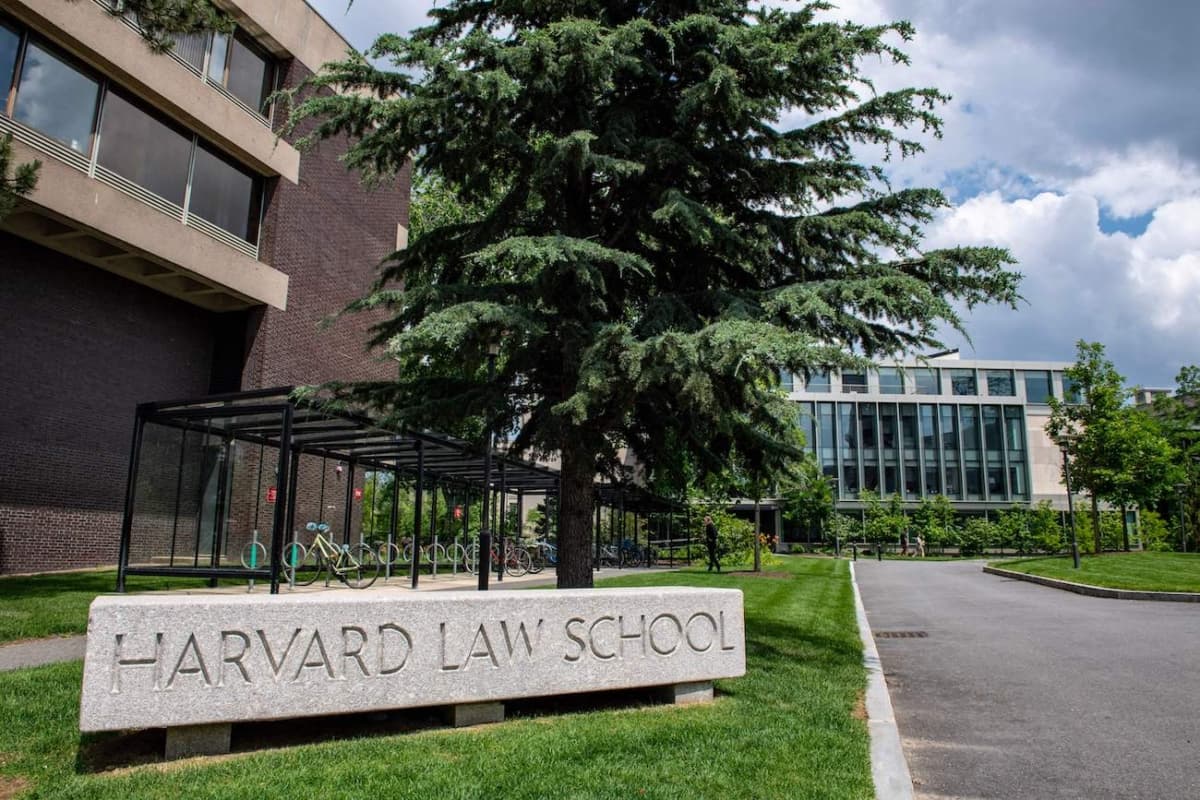
The entrance to Harvard Law School in Cambridge, Mass., on June 29, 2023. (Joseph Prezioso/AFP via Getty Images)
“For the first time since tracking began in 1991, anti-Jewish bias incidents surpassed anti-Black incidents as the most reported hate crime in Massachusetts,” the state reported.
In October, Massachusetts awarded $2.6 million in grants to 25 nonprofits to help strengthen communities and faith-based organizations against potential terrorist or other extremist attacks.
“Faith-based institutions are central to community life,” Gov. Maura Healey said. “Everyone has the right to be safe as they gather, pray, and seek comfort in their faith.”