
Medicare and Medicaid fraud is not just a financial crime but a physical threat to patients, a panel of experts told lawmakers on Feb. 3.
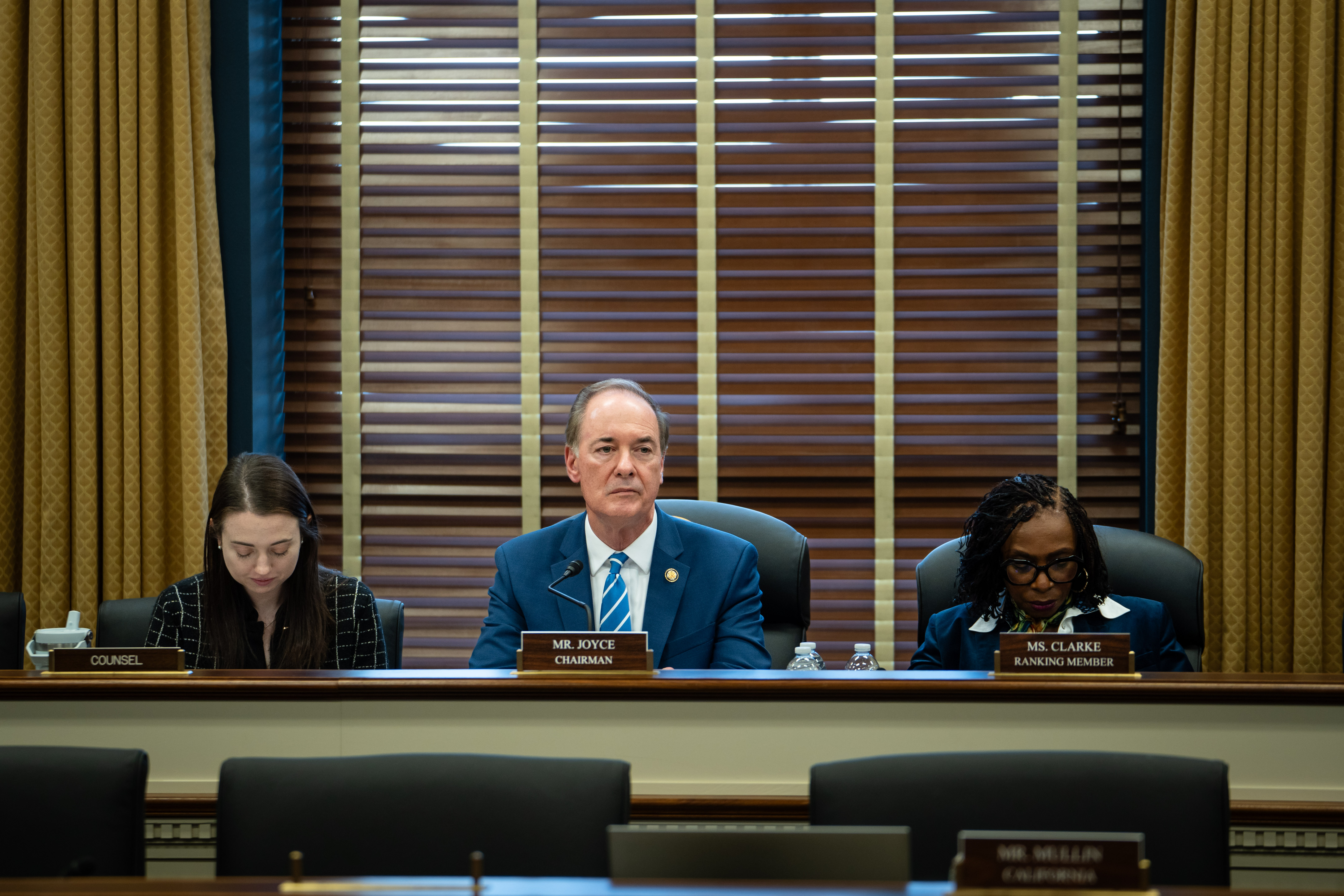
Patients often suffer from unnecessary, inadequate, or a complete lack of medical care in all cases of Medicare and Medicaid fraud, John Joyce, chairman of the Subcommittee on Oversight and Investigations for the House Committee on Energy and Commerce, said. In other cases, patients are unknowingly victims of identity theft or misleading marketing practices perpetrated by these fraudsters.
“Health care fraud is becoming easier and more lucrative than the illicit drug trade,” said Joyce. “Patients will suffer if these health care programs cannot continue on responsible fiscal paths. It is our duty in Congress to protect these programs for our most vulnerable Americans.”
Fraud in the Medicare and Medicaid programs is a national crisis that has persisted for decades, with Medicare and Medicaid remaining on the Government Accountability Office’s High Risk List for more than 20 years.
The National Health Care Anti-Fraud Association estimates that 3 percent to 10 percent of health care expenditures are lost to fraud.
That translates to a minimum of $159 billion and potentially upwards of $530 billion in annual spending attributed to fraud, waste, and abuse, according to the witness statement of Jessica Gay, co-founder and vice president of Integrity Advantage Solutions.
In September 2025, the government estimated fraud ranged from $233 billion to $521 billion.
“The impact of that money is real, and it affects every single one of us. But money isn’t the only issue, not by a long shot,” said Gay.
Harm to Patients
Fraud harms patients in at least five ways, the experts testified.
First, when fraudsters submit fake claims, they often contaminate a patient’s official medical record, which can prevent the patient from receiving legitimate, necessary services because their benefits appear to be exhausted.
Stephen Nuckolls, chief executive officer of Coastal Carolina Health Care, shared an example of a patient denied therapeutic diabetic shoes because “Medicare records show shoes had already been provided by an out-of-state supplier, which our patient never received.”
The supplier was no longer operational, and the patient ultimately had to pay out of pocket for the shoes, he said.
Second, patients are often subjected to medical procedures, tests, or prescriptions they do not need simply so a provider can generate a profit, exposing them to significant physical dangers, according to Gay.
“These are not benign administrative errors. They expose individuals to risks ranging from adverse drug reactions to life-altering surgical complications,” Gay said in a witness statement.
Third, in hospice fraud schemes, patients are sometimes enrolled in “end-of-life” care without their knowledge, which can lead to the termination of life-saving or preventative treatments.
“Hospice declares that they are terminally ill. It discontinues the treatments they need for preventative care,” said Kaye Lynn Wootton, president of the National Association of Medicaid Fraud Control Units.
“If they don’t even know they’re in hospice, essentially, their health care plan has been changed just because somebody is trying to defraud Medicaid,” Wootton added.
This results in patients receiving “subpar treatment at a very exorbitant rate” while their actual medical needs go unaddressed, said Rep. Dan Crenshaw (R-Texas).
Also, Medicaid fraud can take advantage of vulnerable populations, such as the homeless or those with substance abuse disorders.
“It’s difficult for many of the patients in those populations to seek services for what can be a very difficult diagnosis, to let people know that you’re truly an addict,” Wootton said.
When they don’t receive the services they need, not only is Medicaid wasting money paying for them, but the person who still needs the treatment becomes neglected, she said.
Additionally, large-scale organized crime rings use the stolen identities of millions of Americans to bill for items like catheters or braces that patients never ordered or received, according to testimony.
Brett Guthrie, Chairman of the House Committee on Energy and Commerce, reported that Operation Gold Rush, the largest health care fraud takedown in history, involved 324 defendants and $14.6 billion in intended losses.
Criminals used the “stolen identities of over 1 million Americans spanning all 50 states to submit over 10 billion in fraudulent claims,” Guthrie said.
“Many seniors learned that their Medicare or other personally identifiable information had been compromised only after being denied legitimate care,” he added.
High-Risk Areas
Skin substitutes are medical products used to replace or repair damaged skin, typically for chronic wounds, burns, or diabetic ulcers. They are frequent targets for fraud due to their high cost and large profit margins.
Investigations into allegations of skin substitute fraud often reveal that these skin substitutes were never applied, were not utilized as intended, were applied by unqualified individuals, or were utilized without first trying cheaper, more appropriate treatments, according to Wootton’s witness statement.
John Joyce, chairman of the Subcommittee on Oversight and Investigations for the House Committee on Energy and Commerce, noted that expenditures for skin substitutes have skyrocketed from roughly $400 million in 2022 to more than $10 billion in 2024.
“Seven defendants across Arizona and Nevada were charged in connection with an alleged $1.1 billion Medicare fraud scheme for medically unnecessary amniotic wound allografts, commonly known as skin substitutes,” Joyce reported.
Applied Behavioral Analysis services are primarily provided to children diagnosed with autism spectrum disorder. It has become a “huge issue” in Medicaid fraud.
“We see missing records, completely unqualified staff, billing that is inconsistent with authorizations, treatment plans that are not tailored to these members’ needs, and excessive services,” Gay said.
Non-Emergency Medical Transportation provides transportation for patients, often seniors or those with disabilities, to reach medical appointments when they do not require an ambulance.
Schemes in this area involve “ghost rides,” or trips never provided, inflated mileage, billing for toll fees never incurred, and “upcoding”—billing for an expensive specialized vehicle when the patient is actually capable of walking.
“I think it is because they’re a one-on-one type service or one on a small group that is difficult to oversee,” Wootton said.
The purpose of the hearing was to examine common fraud schemes in Medicare and Medicaid and the real harm they cause to patients and taxpayers, according to Joyce.
Proposed Solutions
To combat health care fraud, the panel of experts advised moving away from the “pay and chase” model of health care reimbursement, in which the medical necessity of the service is examined after payment is rendered.
Instead, they recommended shifting resources toward earlier verification of medical need to stop fraudulent payments before they occur.
Gay noted that checking a provider’s status once every three years is insufficient to deter bad actors, recommending stronger data management and integration by consolidating billing histories, National Provider Identifier data, and sanctions into one accessible, central platform.
Nuckolls urged the creation of a rapid notification and beneficiary-friendly record correction process to remove fraudulent entries that prevent patients from receiving legitimate care.
To involve patients in detection, Crenshaw and Wootton discussed providing Medicaid recipients with an “explanation of benefits,” which is currently missing in Medicaid, but would allow patients to know what is being billed on their behalf.