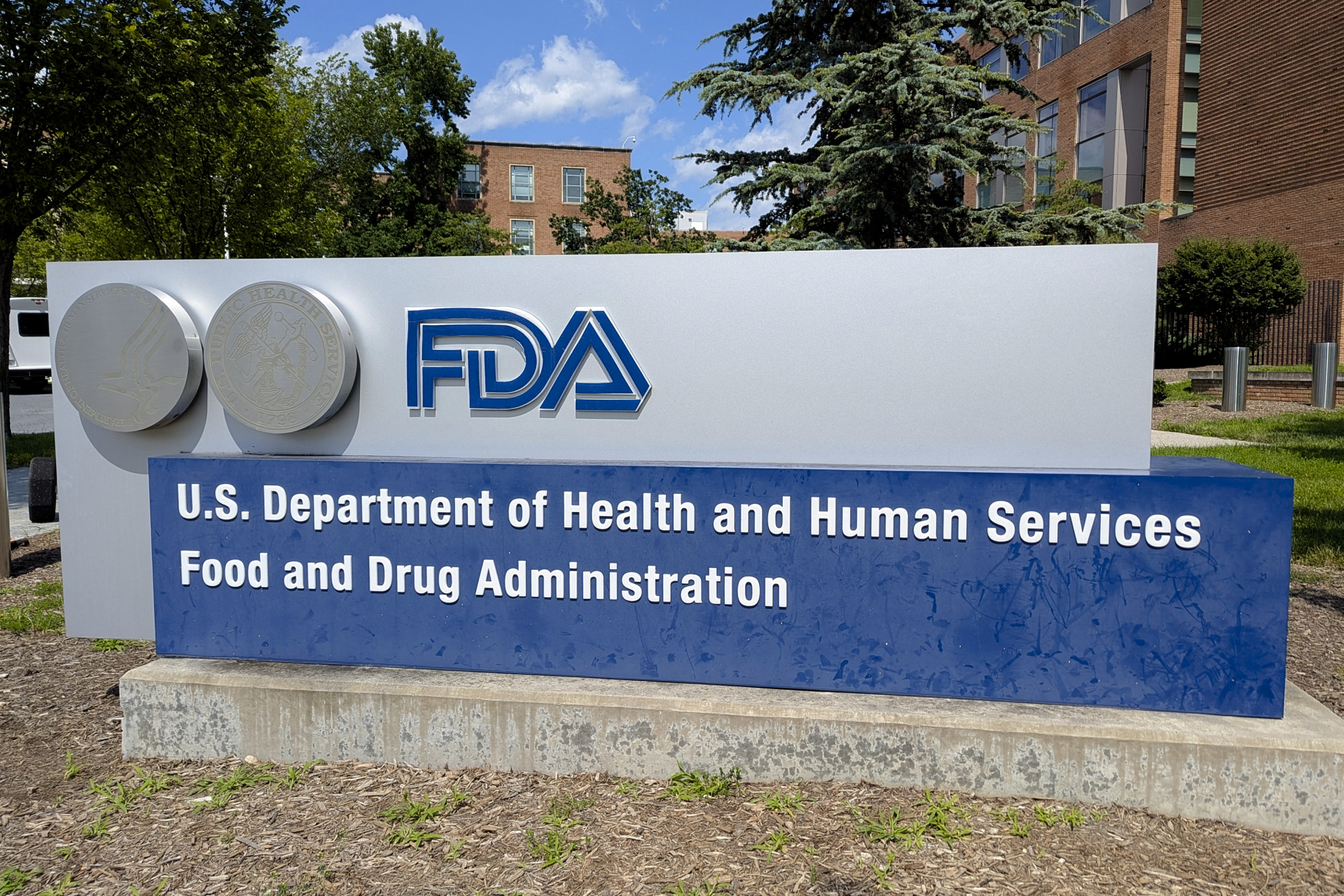

The Food and Drug Administration recently announced new measures to prevent the import of dangerous foreign counterfeits of GLP-1 drug ingredients, which are being used to make unapproved compound drugs targeting individuals seeking weight loss medication.
On Sept. 5, the FDA announced the creation of a “green list” import alert for GLP-1 active pharmaceutical ingredients (APIs), according to a statement. Only GLP-1 APIs manufactured at facilities that the health agency has inspected or evaluated and found compliant with its rigorous standards will make the list, the FDA added.
Shipments from sources not on the list are “subject to detention without physical examination,” the FDA said.
The FDA has been cracking down on unapproved compound drugs, which have long been used to fill gaps during shortages of patented treatment. The surge in demand for obesity medications from Novo Nordisk and Eli Lilly has sparked a global boom in lower-cost, and at times counterfeit, alternative versions.
Semaglutide and tirzepatide are GLP-1-based therapies prescribed to treat type 2 diabetes, and in some patients, to support weight loss. Semaglutide is FDA-approved and marketed by Novo Nordisk under the brand names Ozempic and Wegovy, while tirzepatide is FDA-approved and marketed by Eli Lilly as Mounjaro and Zepbound.
The FDA said it had previously identified “serious concerns” with compounded versions of semaglutide and tirzepatide, citing issues such as dosing errors, use of unapproved salt forms, and side effects, with some severe enough to require hospitalization.
According to an FDA communication published on Sept. 5, the agency noted that there had been fraudulent compounded semaglutide and tirzepatide products in the U.S. market. Some of these products were labeled with the name of non-existent compounding pharmacies or with licensed pharmacies that had not actually produced the drug.
“Americans should be confident that the prescription drugs they take are safe,” FDA Commissioner Marty Makary said in a statement.
“By strengthening oversight of imported APIs and cracking down on illegal drugs entering the U.S., we are taking aggressive action to protect consumers from poor-quality or dangerous GLP-1 drugs.”
According to an import alert sent by the FDA on Sept. 5, importers are required to present proof of quality and compliance before their goods can be cleared for release.
The FDA “conducted both onsite inspections and remote regulatory assessments” of 48 GLP-1 API manufacturing sites outside of the United States and found 21 percent of them to be non-compliant, according to the import alert.
The import alert also included a “green list,” identifying sources “that appear to be in compliance with the FDA’s rigorous standards” located in several countries including Belgium, Canada, China, Denmark, India, and Italy.
“Our priority is protecting public health by ensuring all active ingredients used in GLP-1 drugs are obtained from compliant manufacturers,” George Tidmarsh, director of the FDA’s Center for Drug Evaluation and Research, said in a statement.
“Targeting illegal foreign GLP-1 active ingredients at the border is a critical part of this work.”
Sen. Tom Cotton (R-Ark.), chairman of the Senate Select Committee on Intelligence, took to X to praise the FDA’s decision to adopt the measure.
“For far too long Communist China has flooded our country with counterfeit drugs,” Cotton wrote on Sept. 5. “Thank you President Trump and [FDA] for taking action making all Americans safer. Pharmaceuticals are too important to rely on our chief adversary for.”
In August, Customs and Border Protection (CBP) in Cincinnati announced the seizure of shipments of unapproved pills and injections, including Ozempic, semaglutide, and tirzepatide.
A total of 54,843 counterfeit products were seized, which would have had a value exceeding $3.5 million if they were legitimate and FDA-approved, according to CBP.
The seized shipments were ultimately bound for 40 U.S. states and Washington. According to CBP, the majority were headed to Texas, Florida. Georgia, Colorado, California, and New York.
The majority of the items seized came from Hong Kong, followed by China and Colombia, CBP added.
Reuters contributed to this report.