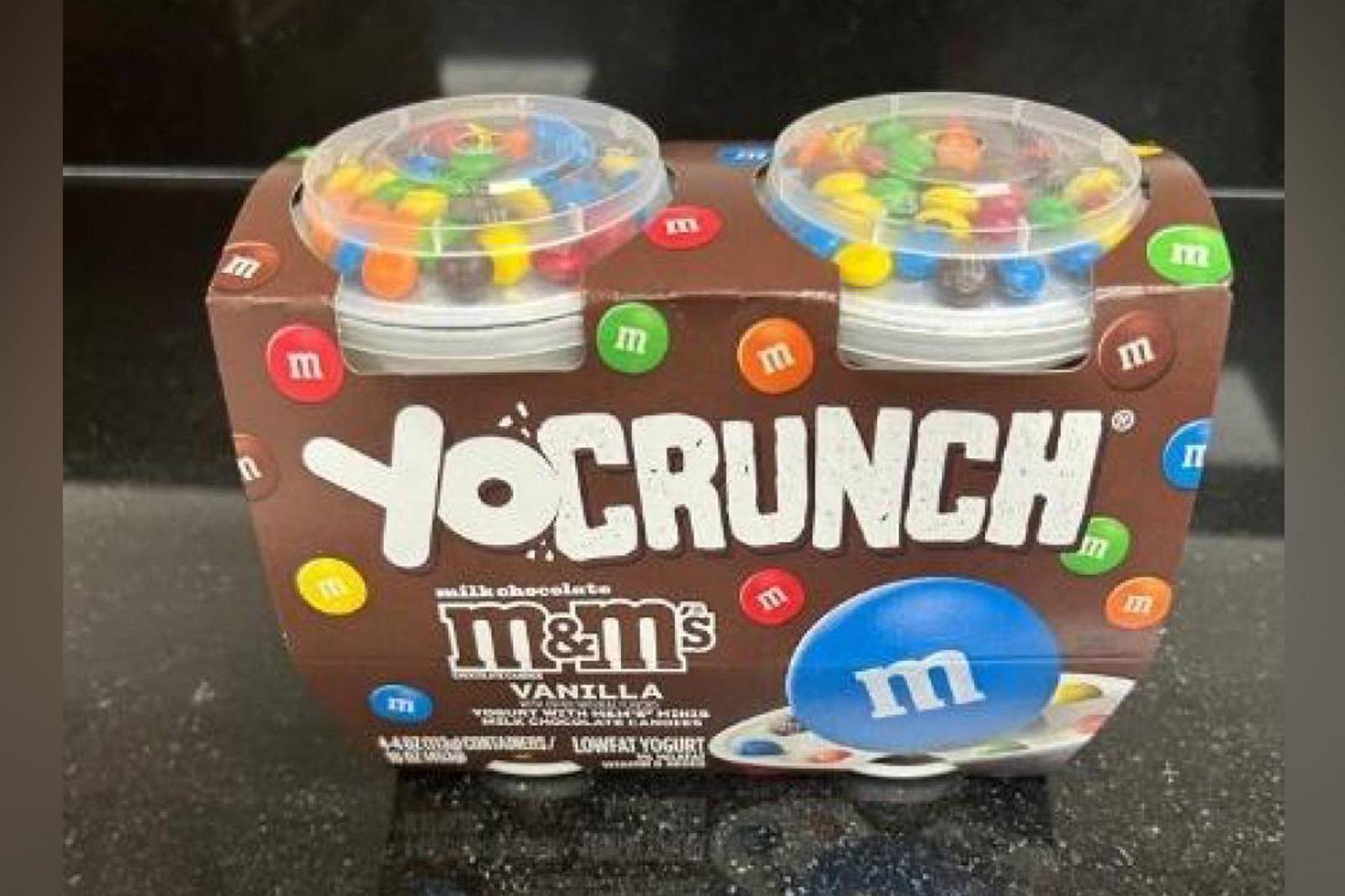

Danone U.S. is voluntarily recalling yogurt products sold across the country due to “potential presence of plastic pieces” in the container’s lids, the company said in an announcement published by the Food and Drug Administration on July 14.
The recall applies to all flavors and sizes of YoCrunch products currently for sale. In total, 17 products are being withdrawn, with some items having expiry dates in September.
“If consumed, the plastic pieces could potentially cause a choking response,” the company said. “The plastic pieces are transparent, may have sharp edges, and could present a risk to consumers because some pieces are between 7 and 25 mm in length.”
Danone is a French multinational corporation with operations in the United States. It has two U.S. headquarters, one in New York and the other in Colorado.
According to the notice, the company received complaints from consumers who found plastic pieces in the lids, and is currently working with retail partners to remove the products from retail outlets.
Consumers who have purchased the recalled items were urged not to consume them. Individuals with queries can contact the company at 1-877-344-4886.
The Epoch Times reached out to Danone U.S. for comment but did not receive a response by publication time.
Plastics in Food
Plastics intended for food applications, such as food preparation surfaces, processing equipment, and cookware, must be made from materials authorized by the agency before they can be marketed for use, according to the FDA.
“It is the legal responsibility of companies that grow or produce foods, or manufacture products intended for use with foods sold in the U.S., to comply with the Federal Food, Drug, and Cosmetic Act and FDA’s regulations,” the agency said.
“If the FDA determines that levels of microplastics or nanoplastics cause food to be unsafe, the agency will take regulatory action. This may include working with the manufacturer to resolve the issue, and as necessary, taking steps to prevent the product from entering, or remaining on, the U.S. market.”
There is a growing concern about the presence of plastics in food, especially microplastics.
A study published in February last year that analyzed nano and microplastic pollution in human beings found that all 62 tested placenta samples contained microplastics.
The placenta, an organ that develops during pregnancy, sustains the fetus by providing oxygen and nutrients while removing waste products from the baby’s blood.
Some of these plastics are known to damage the liver, trigger asthma, impair reproductive function, and cause cancer.
In September, a study published in the Journal of the American Medical Association found microplastics in the human brain for the first time.
A March 2025 study revealed that chewing just a single piece of gum releases hundreds of thousands of microplastics into the saliva.
A May 22 report released by the Make America Healthy Again Commission, chaired by Health Secretary Robert F. Kennedy Jr., cited microplastics as a health issue for children.
“Pesticides, microplastics, and dioxins are commonly found in the blood and urine of American children and pregnant women—some at alarming levels,” the report said.
Research on phthalates, used in plastics and found in food packaging, shows that continuous exposure to these chemicals “can trigger hormone dysregulation and reproductive and developmental problems for babies in-utero and infants.”