
China’s economic slowdown is prompting the military, universities, and major technology companies to tighten spending as financial pressures spread across both the public and private sectors.
Austerity measures range from military units reusing office briefcases to universities restricting travel to technology companies scaling back workplace perks.
U.S.-based China current affairs commentator Tang Jingyuan told The Epoch Times that the trend reflects mounting fiscal pressures and weakening domestic consumption, warning that further economic deterioration could deepen the crisis.
Military Reuses Office Supplies
The official military newspaper of the Chinese Communist Party, PLA Daily, reported on Oct. 24 that an air force unit had stopped issuing new briefcases to personnel attending training programs. Instead, participants received used bags that had to be returned afterward for cleaning and reuse.
A separate Oct. 26 report describes a People’s Armed Police unit in Henan Province repairing old equipment and reusing discarded components, including screws, to reduce spending.
Tang said that the austerity campaign shows that economic difficulties have spread into the military, which previously enjoyed relatively secure funding.
He attributed the pressure to deteriorating government finances and corruption among military officials.
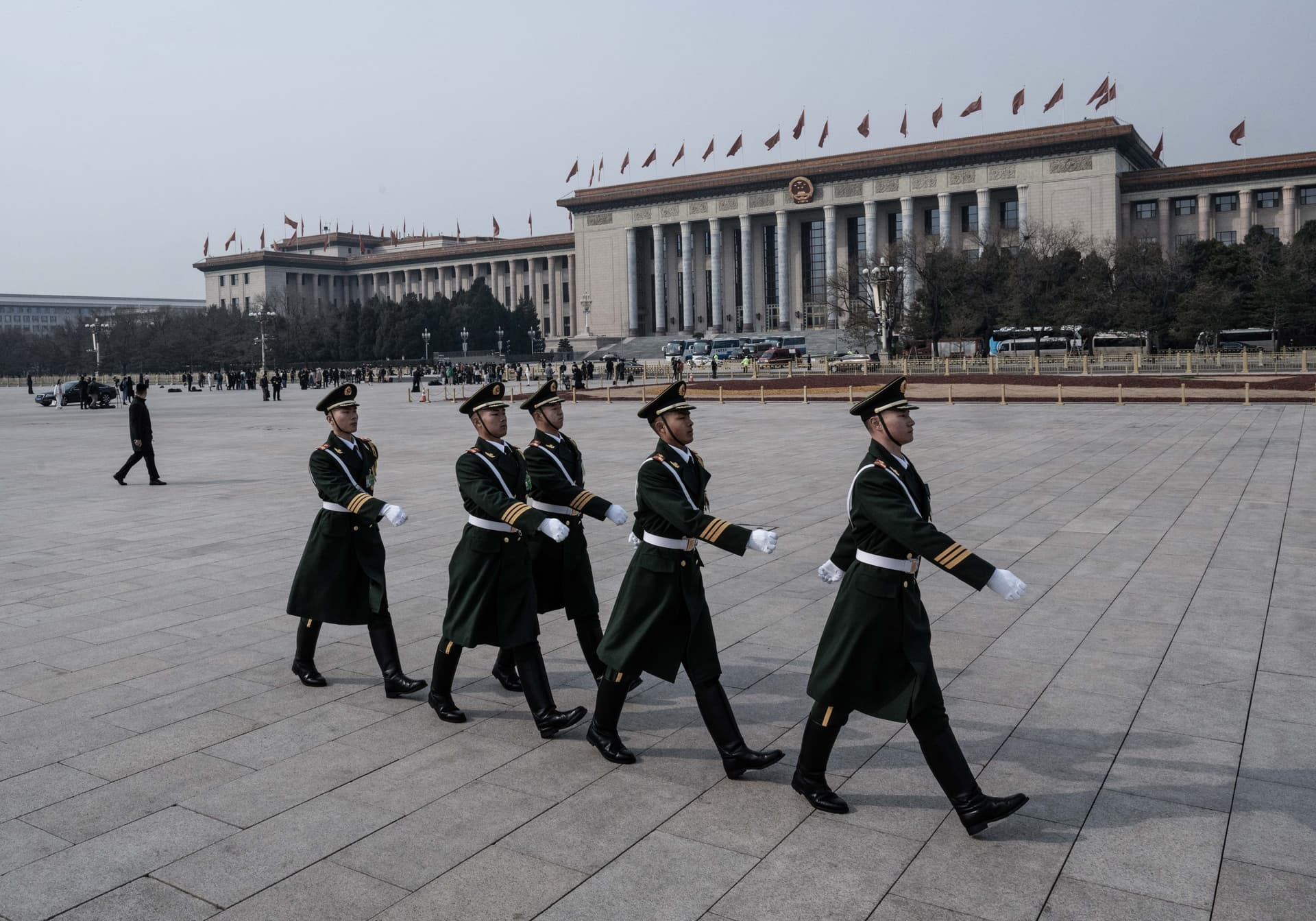
Members of the People's Liberation Army honor guard march in Tiananmen Square after the closing session of the Chinese People's Political Consultative Conference at the Great Hall of the People in Beijing on March 10, 2024. (Kevin Frayer/Getty Images)
Universities Cut Spending
Universities are also introducing stricter spending controls.
According to an Oct. 28 report by state-run newspaper Southern Weekly, Peking University issued new rules in September prohibiting departments from holding meetings at 21 designated tourist destinations and using training programs as a pretext for publicly funded travel.
Beijing Forestry University subsequently prohibited flowers, decorative backdrops, fruit, and commemorative gifts at meetings, while requiring most conferences and training sessions to be held on campus, according to digital media outlet The Paper.
Several people spoke to The Epoch Times regarding this issue on condition of anonymity out of fear of reprisal.
A mathematics lecturer at a university in Guangdong Province told the publication that university funding had declined sharply since 2020.
“Universities across the country are all in the same situation. There’s nothing they can do; government finances are now very tight,” the lecturer said.
An insider familiar with public spending in Linyi, Shandong Province, told The Epoch Times that local government expenditures have declined year after year since 2022. Some non-permanent government employees have gone nearly a year without wages, and infrastructure maintenance spending has been delayed, they said.
Tech Companies Reduce Employee Benefits
Major tech companies are also cutting workplace expenses.
A finance blogger posted on Chinese online news portal Tencent on Oct. 26 that ByteDance, the parent company of TikTok, plans to stop offering office chairs retailing for about 8,000 yuan ($1,200) in favor of models costing 2,549 yuan ($383). This year, the company also didn’t issue Lunar New Year cash bonuses.
A ByteDance employee surnamed Xu confirmed to The Epoch Times that workplace benefits had already been reduced.
“The chairs have been replaced with cheaper ones. The bonuses haven’t been distributed for several years, and New Year gift boxes and other holiday benefits are gone too,” Xu said.
A ByteDance employee surnamed Fang told The Epoch Times that even bathroom supplies have been downgraded.
“Since the company started tightening its budget, even the toilet paper in the bathrooms has become thinner,” he said.
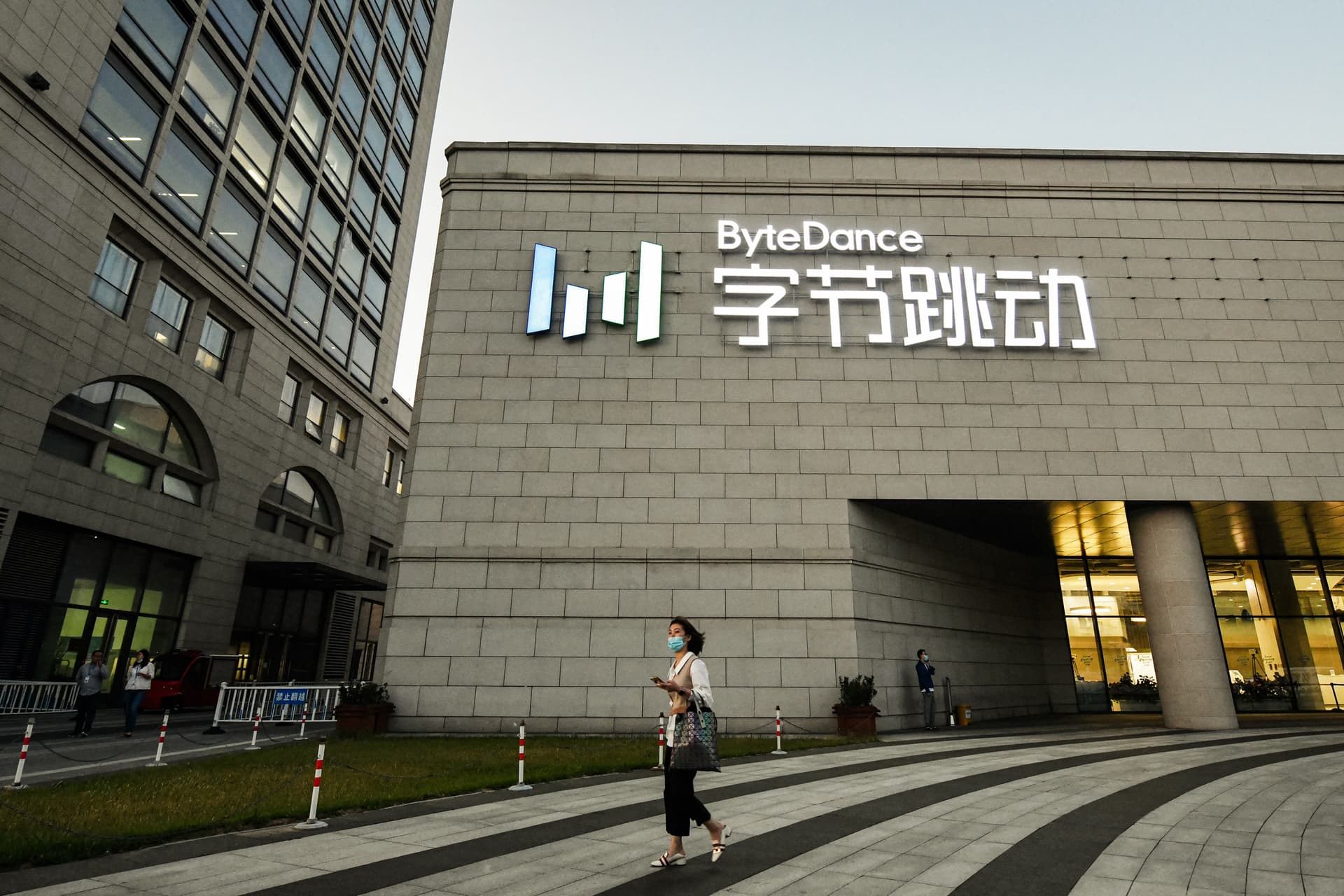
A woman walks past the headquarters of ByteDance, the parent company of video sharing app TikTok, in Beijing on Sept. 16, 2020. (Greg Baker/AFP via Getty Images)
Fiscal Pressures Raise Further Concerns
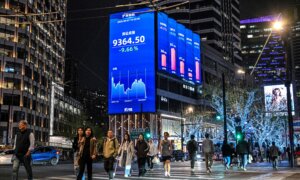
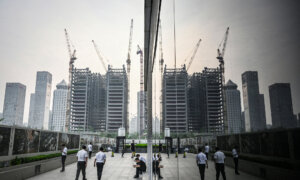
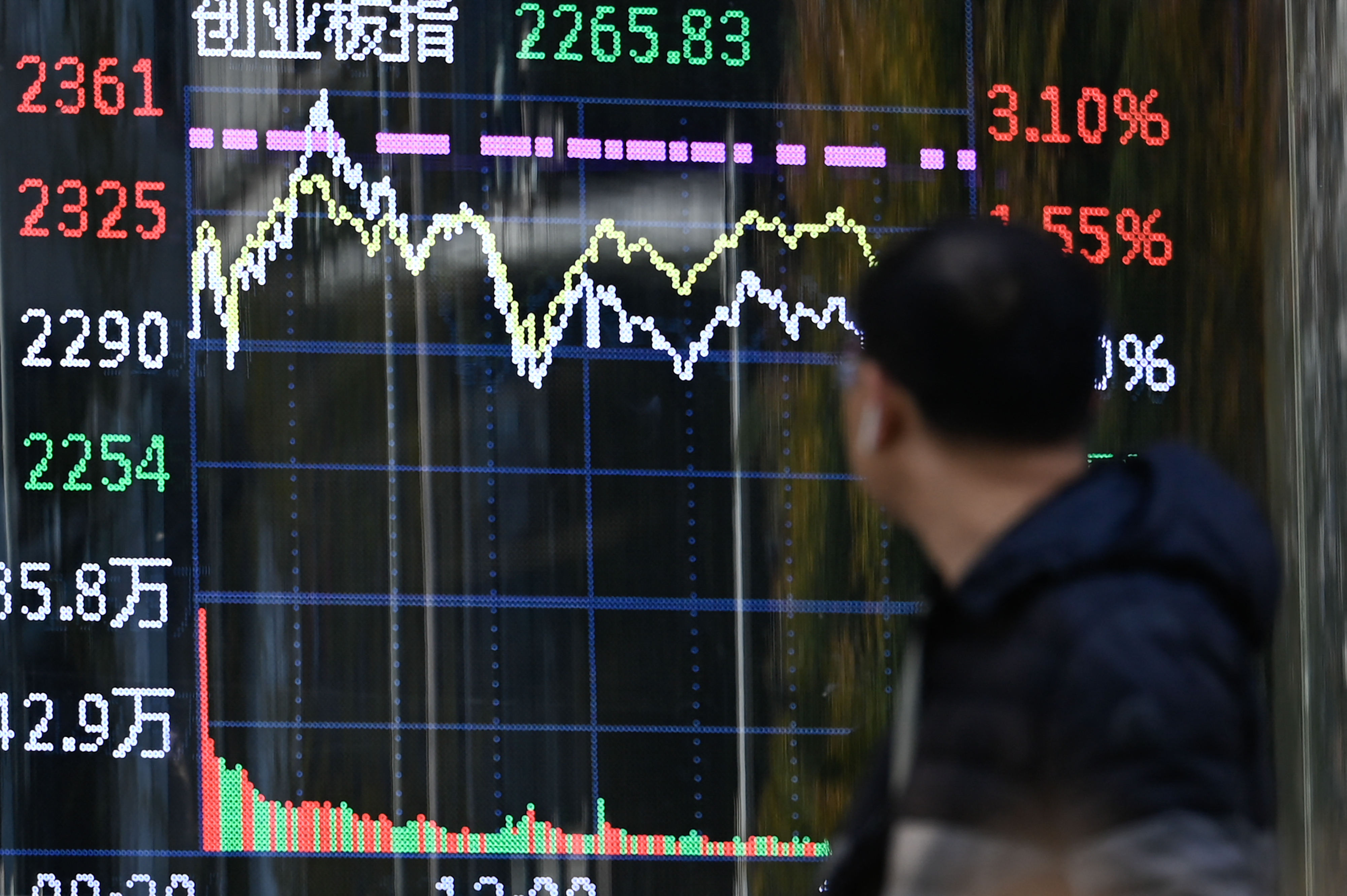
The spending cuts come as China’s prolonged property downturn continues to strain local government finances.
Fitch Ratings has projected that the regime’s government debt will rise to 75 percent of gross domestic product in 2026, while the fiscal deficit will reach 7.3 percent of GDP. Weak revenue, particularly at the local government level, remains a major constraint.
Tang said the property crisis had weakened government finances, prompting regime authorities to intensify tax collection and pursue previously undeclared tax liabilities.
He warned that China’s economic downturn had not yet reached its bottom.
“The [Chinese Communist Party], the government, the military, and major companies are all beginning to live on tight budgets. This is a sign of a severe downgrade in consumption,” Tang said.
He added that weakening domestic consumption could make China increasingly dependent on exports, worsening trade imbalances.
If the United States and European countries impose additional tariffs on Chinese goods, excess production capacity could return to the domestic market, deepening deflationary pressures and potentially triggering a wider social and economic crisis, he said.
Zhao Bin and Gu Xiaohua contributed to this report.