
The Federal Communications Commission (FCC) voted unanimously on Oct. 29 to bar Chinese laboratories from testing electronics for U.S. regulatory approval, citing security concerns and difficulties overseeing foreign testing facilities.
The 3–0 decision will end FCC recognition of laboratories and certification bodies in countries that lack reciprocal testing agreements with the United States, including China.
The restrictions will take full effect on Dec. 1, 2028.
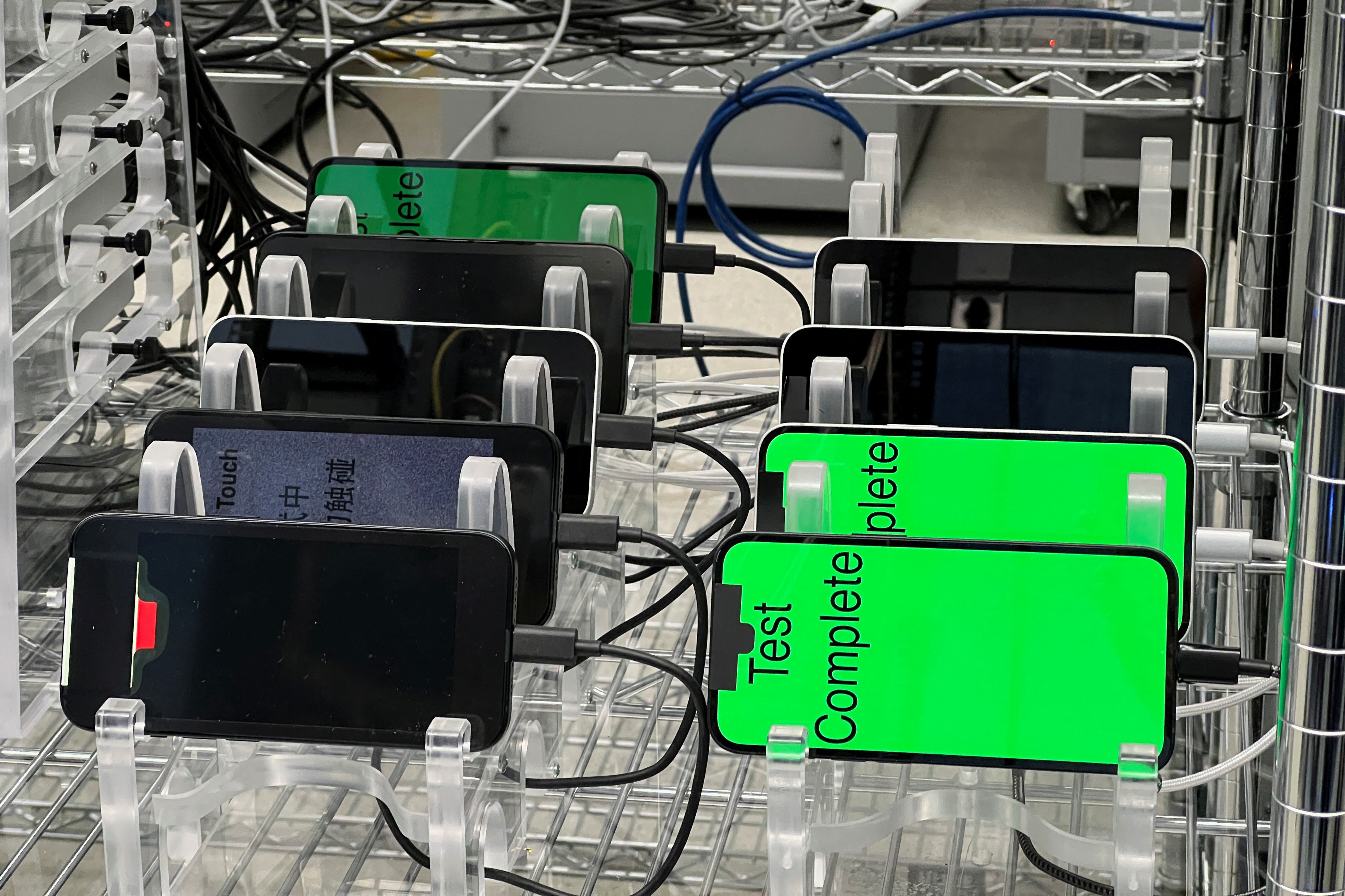
Before smartphones, wireless routers, computers, and other electronic devices can enter the U.S. market, they must be certified.
Manufacturers must demonstrate that covered devices meet FCC technical requirements, including limits designed to prevent harmful radio interference.
China dominates that testing process. According to figures presented at Thursday’s meeting, Chinese laboratories were associated with 82.3 percent of FCC equipment-authorization applications in 2025, up from about 13 percent in 2007.
Over the same period, the share associated with U.S. laboratories fell from about 31 percent to 3.6 percent.
FCC Cites Falsified Test Results
During the meeting, FCC engineer Thomas Rigolage said the agency had recently found four Chinese laboratories reusing identical test results across different products.
The FCC had previously identified similar problems at a Chinese testing facility.
In June, the agency announced proceedings against SLG-CPC Test Laboratory Co. Ltd., based in Dongguan, China, after the company admitted to submitting reports containing data copied from other tests.
The FCC said 33 separate FCC IDs—identification numbers assigned to authorized equipment—had apparently relied on identical reports, sometimes involving entirely different products.
On Oct. 2, the FCC withdrew the laboratory’s recognition.
The agency did not specify during Thursday’s meeting whether SLG-CPC was among the four laboratories Rigolage cited.
FCC officials said the concentration of testing in China makes it harder for American regulators to verify compliance, investigate suspected misconduct, and enforce testing standards.
Chairman Brendan Carr also raised concerns about laboratories’ access to confidential technical information, sometimes months before products are released.
He warned that laboratories acting improperly could approve insecure equipment, disrupt communications networks, or steal intellectual property.
In May 2025, the FCC adopted restrictions barring laboratories and certification bodies owned, controlled, or directed by foreign adversaries or other prohibited entities from participating in the U.S. equipment-approval system.
The new rules go further by excluding laboratories based in China regardless of their ownership.
Carr said the agency had already withdrawn recognition from 32 foreign-adversary-controlled laboratories under earlier measures. Asked at a subsequent press conference how many were based in China, Carr did not provide a figure.
He said the FCC began examining the problem more closely after discovering that Huawei, the Chinese telecommunications equipment manufacturer subject to U.S. national security restrictions, operated an FCC-recognized testing laboratory.
Restrictions Take Full Effect in 2028
The new rules give laboratories and electronics manufacturers two years to shift testing to the United States or countries with qualifying reciprocal agreements.
During the transition, laboratories in affected countries may continue receiving FCC recognition, but that will automatically expire on Dec. 1, 2028, regardless of when issued.
During a press conference following the vote, Carr said the transition would not prevent the agency from removing additional laboratories sooner if they presented problems similar to those previously identified.
Andrew Hendrickson, chief of the FCC’s Office of Engineering and Technology, said the adopted measure largely followed the earlier draft, with changes clarifying reciprocity requirements and implementation procedures.
The FCC is also seeking public comment on additional safeguards, including stronger laboratory ownership checks, intellectual property protections, and oversight of devices already on the market.
Asked about the four Chinese laboratories that reused test results, Hendrickson said the FCC was reviewing the affected products but had not initiated enforcement action.