
The U.S. Centers for Disease Control and Prevention is helping fund a study to test the effects of early hepatitis B vaccination in Guinea-Bissau, a country in West Africa, the agency said on Dec. 18.
The CDC is granting $1.6 million to the University of Southern Denmark, according to a funding notice.
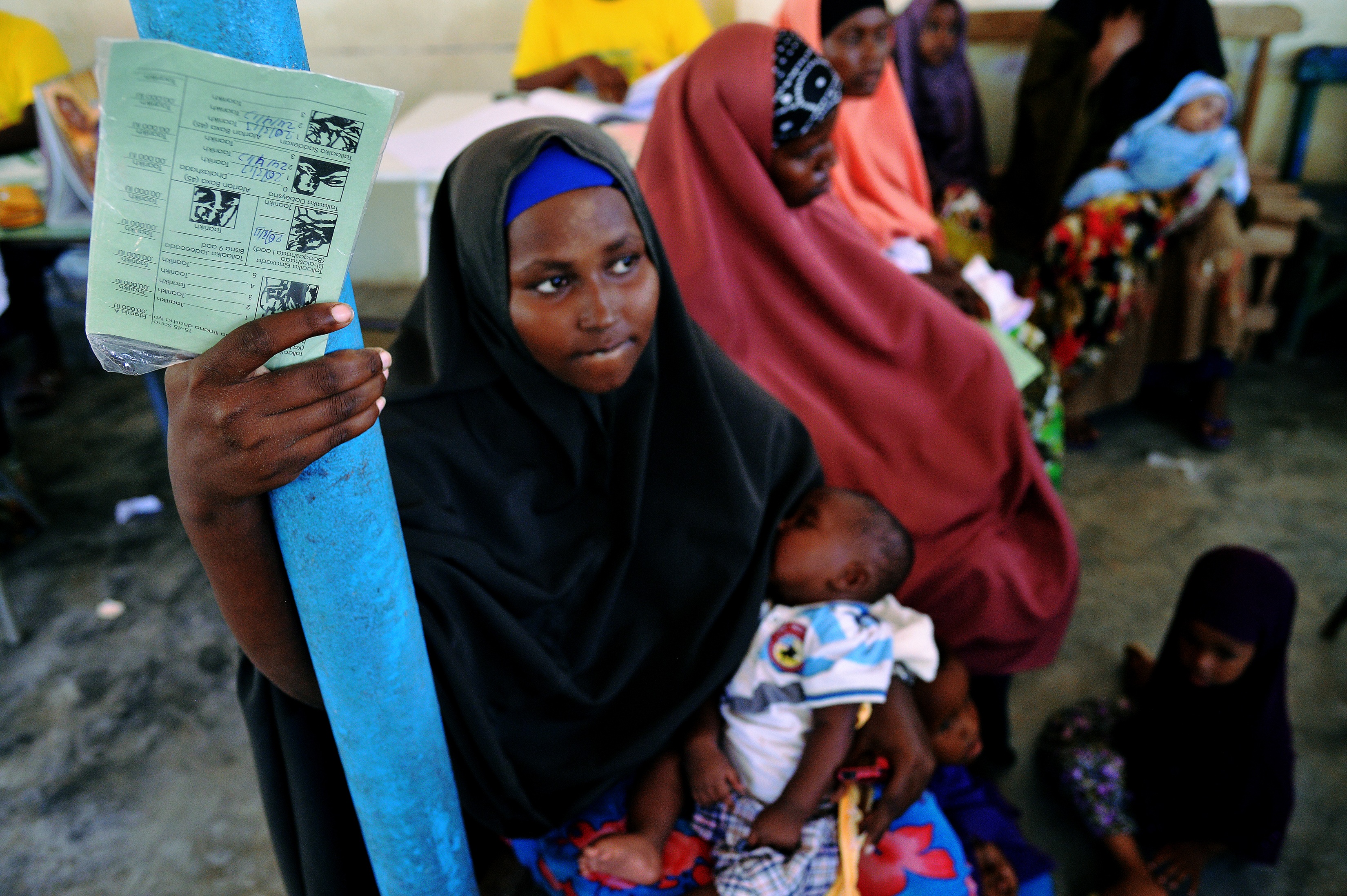
It will fund a randomized, controlled trial that will feature more than 14,000 infants, some of whom will receive a hepatitis B vaccine at birth and some of whom will receive the recommended first dose, which in Guinea-Bissau is around 1 month of age, a spokesperson for the Department of Health and Human Services, the CDC’s parent agency, told The Epoch Times in an email.
“The planned study represents the world’s first and perhaps only opportunity to test the overall health effects” of the hepatitis B birth dose, the spokesperson added.
The CDC recently stopped recommending hepatitis B vaccination at birth for infants born to women in the United States who test negative for the virus. Babies should start the hepatitis B series no earlier than two months of age, if at all, the CDC now says, emphasizing that parents should consult with health care professionals.
In Guinea-Bissau, officials plan to start recommending hepatitis B vaccination at birth in 2027.
Both arms of the trial, which was approved by the Guinean National Ethics Committee and will start in 2026, will receive recommended tuberculosis and polio vaccines at birth, the Bandim Health Project of the University of Southern Denmark said in a statement after the CDC funding was disclosed.
“The hepatitis B vaccine at birth has recently been the subject of public debate. While opinions differ, robust evidence from randomized trials is currently lacking,” the project stated. “This study will provide high-quality data to inform future discussions and policy decisions, moving the debate beyond speculation and observational findings. The results will be most directly relevant to Guinea-Bissau and similar low-income settings. However, they will contribute to the global scientific understanding of how vaccination affects overall child health.”
Researchers Christine Stabell Benn and Peter Aaby lead the Bandim Health Project and have for years studied non-specific effects following vaccination, such as impact on overall mortality.
Aaby told The Epoch Times in an email earlier this year that it’s important to examine how administration of hepatitis B at birth affects the female-male morbidity ratio and whether a later start to hepatitis B vaccination improves the situation.
Some other researchers have criticized the research on non-specific effects, including four who wrote in a commentary in the journal Vaccine on Dec. 5 that they identified problems with the project’s research, such as promotion of secondary findings over primary outcomes. An email to Benn seeking comment returned an away message, and Aaby did not return an inquiry by publication time.
U.S. officials, including Health Secretary Robert F. Kennedy Jr., have cited the project’s studies.
When canceling funding for Gavi, an organization that provides vaccines, over the summer, Kennedy cited a study from the project that concluded the diphtheria-tetanus-pertussis (DTP) vaccine in Guinea-Bissau was associated with mortality among young children. Many countries utilize an updated version of the shot.
“Gavi has nonetheless promoted the DTP vaccine heavily in developing countries,” Kennedy said in a video statement.
A more recent study from Benn, Aaby, and others on the same issue concluded that during a more recent period of time, there was no association between increased mortality and the DTP vaccine.
This year, Benn has been working with the CDC’s vaccine advisory group. She previously collaborated with Dr. Tracy Beth Hoeg, the acting director of the Food and Drug Administration’s Center for Drug Evaluation and Research and a previous adjunct professor at the University of Southern Denmark, on online posts and podcasts.