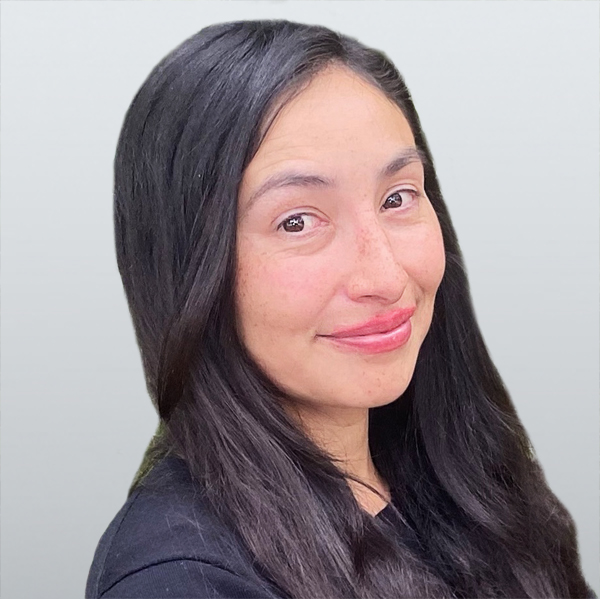
Customs and Border Protection (CBP) officers Jesse Clark Garcia and Diego Bonillo pleaded guilty to conspiring with members of a Mexico-based drug trafficking organization, federal prosecutors said on July 28.
Garcia and Bonillo admitted to deliberately allowing vehicles carrying drugs to enter the United States without undergoing an inspection.
Bonillo, 30, worked at the Otay Mesa Port of Entry in San Diego, one of the busiest border crossings in the country. Garcia, 37, worked at the port of entry located in Tecate, California, which is a smaller border crossing southeast of San Diego.
According to court documents, the officers told members of the drug trafficking organization which lanes they were assigned to and what times they would be there, ensuring that the cartel members could enter the United States without problems.
Prosecutors said the officers used a clandestine emoji-based code to communicate with the cartel. Garcia and Bonillo would then fail to inspect the vehicles. The two allowed a significant amount of drugs to enter the country through this system.
Garcia entered his guilty plea on July 8, admitting to nine counts, including conspiracy to import controlled substances and importation of cocaine, methamphetamine, and fentanyl.
Bonillo’s plea came on July 28, ahead of his jury trial start date. He admitted to three counts in the indictment, including conspiracy to import controlled substances, and importation of fentanyl and heroin.
Bonillo admitted that he conspired to allow at least 75 kilograms (about 165 pounds) of fentanyl, 4.5 kilograms (about 9.9 pounds) of methamphetamine, and more than 1 kilogram (about 2.2 pounds) of heroin into the United States.
According to prosecutors, Bonillo and Garcia both turned handsome profits as part of the conspiracy, and that they took domestic and international trips, purchased luxury items, and even tried to purchase real estate in Mexico.
Prosecutors alleged in court documents in 2024 that Garcia received tens of thousands of dollars per vehicle that he waved into the United States. At the time of the indictment, he co-owned a horse-racing stable, owned multiple vehicles, had a ranch under construction in Mexico, and had purchased high-end items from Burberry and Louis Vuitton. His lavish lifestyle was a red flag, further prompting an investigation into his finances.
Garcia is set to be arraigned on Sept. 26. Bonillo’s sentencing is scheduled for Nov. 7.
Their attorneys could not be reached for comment.
In December 2024, another CBP officer was sentenced to 23 years in prison for accepting bribes to allow vehicles containing drugs to cross the U.S.–Mexico border.
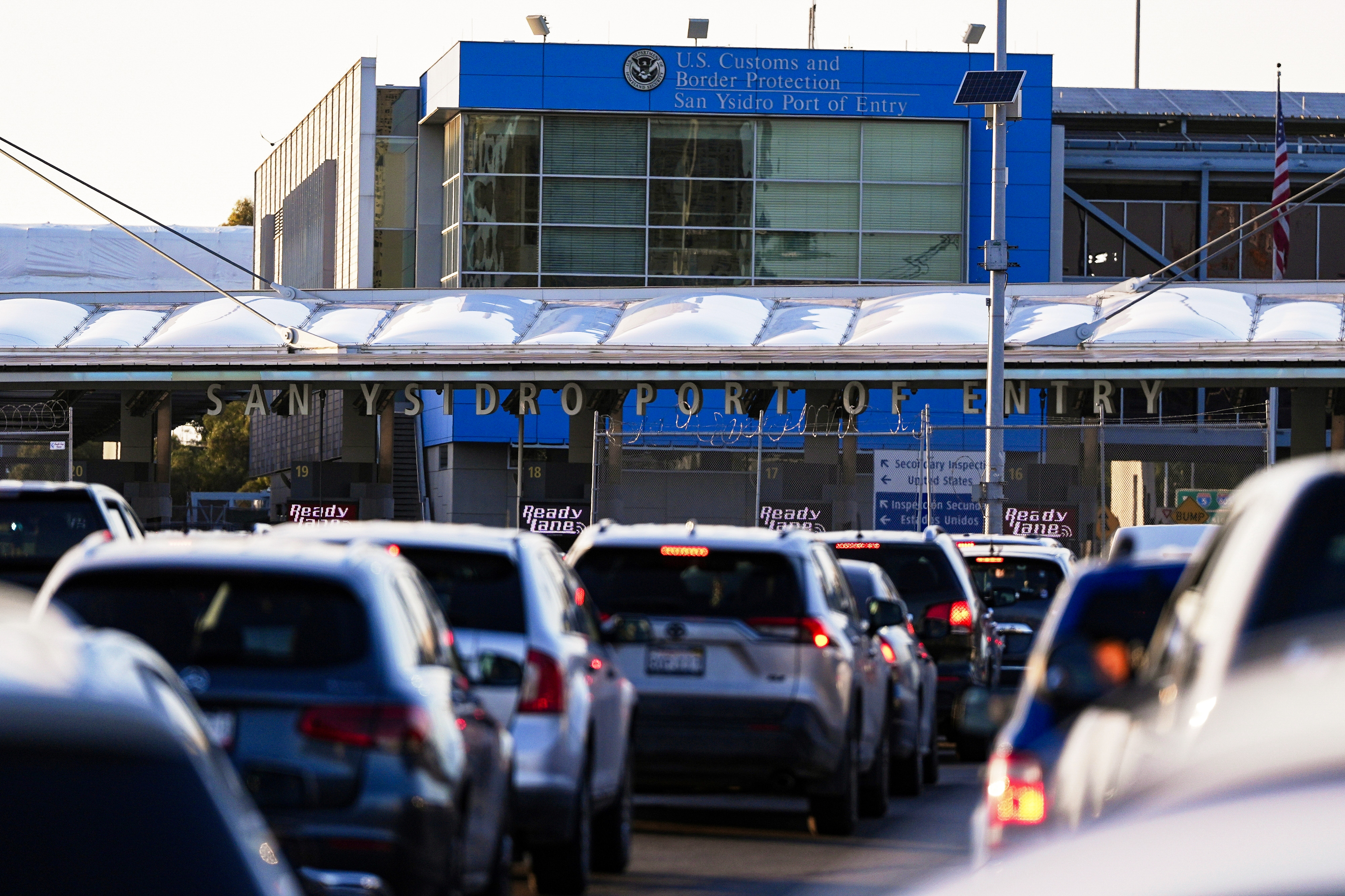
Leonard Darnell George, of San Diego, pleaded guilty in December 2024 to four counts, including receiving bribes as a public official and conspiracy to import controlled substances. He admitted to working with a drug trafficking organization to allow for the smuggling of methamphetamine and other drugs into the country through the San Ysidro Port of Entry.
“What’s important to remember about the story of Leonard George is that his corruption was discovered and defeated.” U.S. Attorney Tara McGrath said in a statement at the time. “Our commitment to the integrity of the badge brought justice to a corrupt officer in this case who will spend decades behind bars.”
Earlier in 2024, a Border Patrol agent pleaded guilty to attempting to distribute drugs and receiving bribes.
Hector Hernandez was sentenced to more than seven years in prison after he pleaded guilty in January 2024 to charges of attempted distribution of methamphetamine and receiving bribes as a public official.
Hernandez was caught during a sting operation. He agreed to retrieve a package—filled with fake narcotics—that was hidden near a border fence, while on duty. He thought at the time that he had been asked to do so by a smuggler, who was actually an undercover federal agent. Hernandez drove to the package site in his official Border Patrol vehicle and stored the package at his Chula Vista residence during his shift. He was arrested when he tried to deliver it to the undercover agent on the following day for a fee of $20,000.
CBP, which operates under the Department of Homeland Security, is tasked with securing U.S. borders at and between the border crossings. Although agents are required to collect checkpoint activity data, such as the number of smuggled people apprehended and drug seizures made by using canines, agents often fail to consistently document the data, according to a report by the Government Accountability Office.
The 2024 report specifically noted that CBP’s difficulties in documenting checkpoint activity can hinder oversight and expose weaknesses exploited by corrupt officers, as seen in the Garcia and Bonillo case.