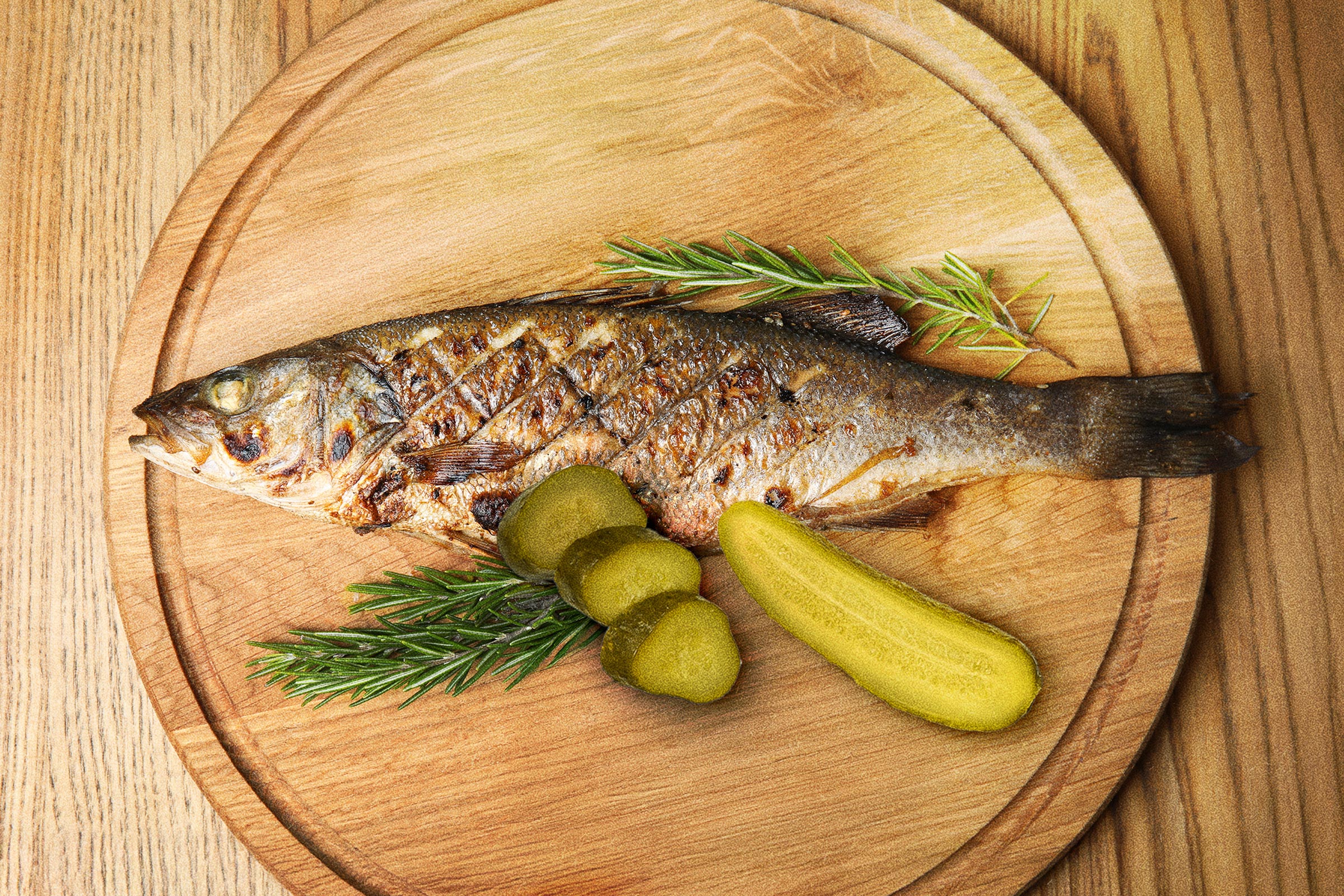
Health warnings about specific food pairings—such as grilled fish with pickled vegetables or tomatoes with cucumbers—are widely circulated online. However, how much truth is there to these claims?
In an episode of the “Health 1+1” program, Huang Yiling, a nutritionist from Taiwan’s Koii Nutrition, addressed several common food myths. She emphasized that there is no need to be overly concerned about specific food pairings. With a balanced diet and mindful cooking methods, meals can be both nutritious and enjoyable.
Grilled Fish and Pickled Vegetables
Some claim that eating grilled fish together with pickled vegetables can lead to the formation of nitrosamines—a group of potentially carcinogenic compounds. Amines in fish can react with nitrates present in pickled foods, Huang said. Under the influence of gut probiotics, this reaction may result in the production of nitrosamines.
However, the actual health risk depends largely on a person’s overall dietary habits. Huang emphasized that there is no need to be overly concerned about nitrosamine exposure as long as a balanced diet is maintained.
The gut environment, along with the variety and combination of foods consumed, is highly complex. The formation of nitrosamines can’t be blamed on a single food pairing alone—it must be considered in the context of your entire diet, Huang said.
For those who wish to enjoy grilled fish and pickled vegetables with peace of mind, the following strategies may help reduce potential risks:
Eat more antioxidant-rich foods: Eating more fruits and vegetables—particularly those high in vitamin C—can inhibit the conversion of nitrates into nitrites, thereby reducing the likelihood of nitrosamine formation.
Practice moderation: Eating in moderation and maintaining a balanced diet are key to minimizing health risks.
Natto and Raw Eggs
There are claims that eating natto with raw eggs may lead to
biotin deficiency, potentially resulting in hair loss or premature graying.
Avidin—a protein found in raw egg whites—can interfere with the body’s ability to absorb biotin, Huang said. While occasional consumption, such as adding only egg yolk, is unlikely to cause harm, regularly eating large quantities of raw egg—particularly whole eggs—can increase the risk of deficiency.
Some athletes consume up to six raw eggs at a time to increase their protein intake, she said. Over time, this practice may lower biotin levels, which may compromise hair health and potentially lead to thinning or graying.
Biotin is essential not only for healthy hair, skin, and nails but also for energy metabolism. A deficiency may sap both physical stamina and mental performance. For this reason, Huang recommends consuming raw eggs only in moderation and focusing on a diverse, balanced diet to maintain overall health.
Spinach and Tofu
It is commonly believed that eating spinach and tofu together can cause kidney stones.
However, this isn’t necessarily true, Huang said. Spinach is high in oxalates, while tofu is a good source of calcium. When consumed together, calcium can bind with oxalates in the digestive tract to form calcium oxalate—a compound that is poorly absorbed and typically excreted in the stool—potentially reducing the risk of kidney stone formation.
This protective effect is most notable with traditional tofu, which is typically made using calcium-based coagulants and contains a higher amount of calcium. Silken tofu, on the other hand, is often made with noncalcium coagulants and may not offer the same benefit.
Many high-oxalate foods—such as strawberries, bamboo shoots, spinach, water spinach, and celery—can be safely consumed when paired with sufficient dietary calcium, said Huang. The calcium binds with oxalates in the intestines, helping eliminate them through stool and reducing the likelihood of oxalate entering the bloodstream and accumulating in the kidneys.
However, she warned that excessive intake of vitamin C can contribute to oxalate formation, as the body metabolizes vitamin C into oxalate. High doses may therefore increase the risk of calcium oxalate kidney stones. She recommends keeping daily vitamin C intake below 1,000 milligrams.
Tomatoes and Cucumbers
Some people believe that eating tomatoes and cucumbers together can render vitamin C ineffective due to enzymes present in cucumbers.
However, Huang said that this concern is largely exaggerated. The human digestive system is far more complex than a laboratory setting, and once food enters the intestines, a single enzyme is unlikely to significantly degrade all the vitamin C.
Enzymes—like all proteins—are denatured by gastric acid once they reach the stomach, significantly reducing their activity, she said. As a result, they do not degrade vitamin C in the body the way they might under controlled laboratory conditions.
She noted that blending tomatoes and cucumbers into a juice or mixing them thoroughly may have a greater effect on vitamin C levels. However, when eaten in a typical salad, there is no need to worry about significant vitamin C loss.
The Importance of Nutritional Balance
Nutrient density is a key indicator of food quality, Huang said.
For example, lean meat is more nutrient-dense than fatty meat, as it contains less fat and more protein and minerals like iron and zinc. Likewise, whole grains—such as brown rice and multigrain rice—offer more dietary fiber and trace micronutrients than white rice. Nuts also have a higher nutrient density compared to cooking oils, providing essential fatty acids, minerals, and vitamin E.
Huang recommends limiting the intake of deep-fried or heavily processed foods, as these often contain excessive artificial additives. Additionally, processed foods tend to retain fewer nutrients. In contrast, low-temperature cooking—at or below 250 degrees Fahrenheit—helps preserve a food’s nutritional value.
Freshness is equally important. When dining out, choose freshly prepared meals to help preserve nutritional value.
Making Better Choices With Processed Foods
Processed foods are not inherently unhealthy, Huang said. Minimally processed foods—such as tofu, soy milk, and konjac—retain much of their original nutritional content and typically contain only small amounts of essential additives.
For example, tofu is often made using calcium sulfate or magnesium chloride as coagulants, which makes it a good source of calcium and may even enhance its overall nutritional value. These foods can be enjoyed in moderation as part of a balanced diet.
Canned foods, though subjected to high-heat processing, can also be a source of nutrients—provided they are not packed with excessive additives. Huang said that canned products generally retain protein, sugars, fats, and minerals, though some vitamins may be lost during processing.
In contrast, highly processed foods often contain large amounts of additives—such as texture enhancers, color stabilizers, and flavor boosters—which may burden the body if consumed regularly or in large quantities. When choosing packaged foods, she recommends reviewing ingredient labels carefully and avoiding products with an excess of artificial additives.
Flavorful Cooking Without Compromise
Healthy cooking does not mean eliminating all flavor or cutting out oil, sugar, and salt entirely. Instead, it focuses on using ingredients and seasonings wisely to create meals that are both nutritious and delicious, Huang said.
She shared a few simple strategies for enhancing flavor without overusing oils or condiments:
Use Natural Spices and Seasonings
Spices like black pepper, shichimi (Japanese seven-spice), and other natural blends can enhance flavor without adding extra fat or sodium.
Add Naturally Sweet Ingredients
Vegetables such as cabbage, carrots, onions, and pumpkin have natural sweetness, which can help reduce the need for added sugars in cooking.
Choose High-Quality Fats
Avoid reused cooking oils or low-grade fats. Instead, opt for fresh, high-quality oils to support overall health.