
By Angie Hicks
Ask Angi
Insulation is one of those features you don’t think about until it starts costing you money. You’re using a lot of energy to keep your house warm in the winter and cool in the summer, so it’s worth making sure that energy isn’t floating right out of your walls.
Good insulation acts like a blanket for your home, keeping temperatures stable without forcing your HVAC system to work overtime. According to the U.S. Department of Energy, proper insulation can trim heating and cooling costs by as much as 15 percent. But here’s the problem: Nearly 90 percent of American homes don’t have enough insulation.
Over time, insulation can lose effectiveness. Leaks, water damage, pests, and even simple aging all wear it down. If you’ve noticed drafty spots, rooms that never seem to reach the right temperature, or rising energy bills, it might be time to call in an insulation professional for an inspection.
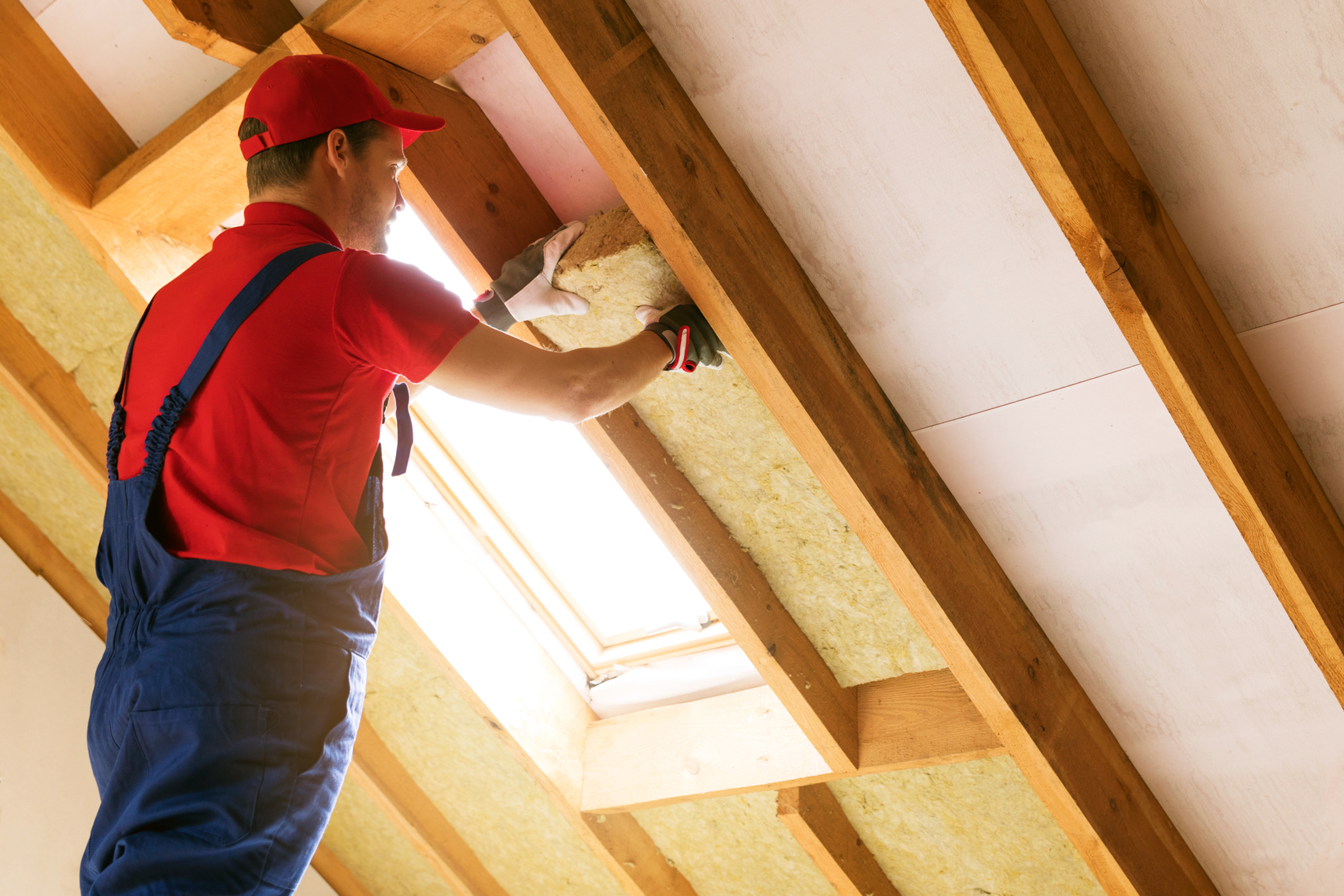
You can take a few steps on your own before hiring a pro. Start in the attic, since it’s usually the biggest source of energy loss. Wear gloves, goggles, and a mask, since fiberglass insulation can be itchy and irritating to the skin.
First, make sure attic vents aren’t blocked. Poor ventilation can trap moisture, promote mold growth or even cause ice dams in cold weather. Look for any signs of leaks or water stains that could be damaging the insulation or roof.
Then, take a look at how much insulation you have. Most experts recommend at least 12 to 14 inches in the attic. If you see less than 5 inches, that’s a clear sign you need more. Gaps, darkened or compacted areas, or visible rafters are all clues that your insulation isn’t doing its job.
A good insulation contractor understands that insulation isn’t just a layer in your walls. It’s part of your home’s “building envelope,” the system that includes windows, doors, roofing and weather-sealing. These components all work together to keep conditioned air inside and outdoor air out.
When you bring in a pro, ask them how their work fits into that overall system. A skilled insulation specialist won’t just eyeball your attic; they’ll perform diagnostic tests to pinpoint where heat is escaping or cold air is leaking in. They may use thermal imaging or blower door tests to locate weak spots in the home envelope.
Unlike a general handyperson, an insulation specialist focuses on energy efficiency and moisture control. They can identify the right insulation type for your region and home design, from fiberglass batts to blown-in cellulose or spray foam. Many also offer warranties on materials and installation, which adds peace of mind.
Tweet your home care questions with #AskingAngi and we’ll try to answer them in a future column. Copyright 2025 Ask Angi. Visit at angi.com. Distributed by Tribune Content Agency, LLC.
Dear Readers: We would love to hear from you. What topics would you like to read about? Please send your feedback and tips to features@epochtimes.nyc.