
Simple Home Heating Tips for Cold Weather
Comments
Link successfully copied
Small, thoughtful adjustments throughout the home can add up to lasting warmth and reduced energy use all winter long. (Drazen Zigic/Getty Images)
By Sandy Lindsey
10/24/2025Updated: 10/24/2025

One of the easiest ways to make the home warmer is completely free. Open the curtains during the day to allow sunlight to heat the interior, then close them at night to retain that accumulated warmth while keeping the night’s cool air out.

In fact, curtains are one of the original forms of home insulation, dating back to animal hides that covered door and window openings to provide privacy and protection from the elements. Today, thermal curtains are available in a wide variety of attractive styles. They offer energy efficiency and can also be found in full blackout models that have the added benefits of light and noise reduction for better sleep.

Add in some window inserts, door draft stops, bed warmers, toasty neck wraps, or exterior vent backdraft dampers, and it’ll be hard to imagine there’s freezing weather right outside.

Modern Curtain Tech


Thermal curtains (insulated or energy-efficient curtains) are multilayer designs that feature a decorative fabric on the room-facing side, usually made of a dense material with an insulating lining on the outside, which is often white to reflect the sun’s rays in summer and help lower the AC bill for all-season use. Blackout curtains feature a noise-reducing layer as well. Make sure they’re long and wide enough to completely cover the glass on the window or door.
Want to save money, or can’t find a style that suits you? There are many DIY thermal curtain instructions available online. Don’t have a sewing machine? There are easy “no sew” instructions as well.

Got a particularly drafty exterior or interior doorway? Consider a quilted magnetic air blocker door curtain. Designed for seasonal use, they feature adhesive Velcro tapes that secure them around the doorframe. The Velcro allows it to be easily removed for, say, a family Thanksgiving dinner. Heavy-duty magnets close the drape tightly yet are easy to open, even for children. Tiebacks hold the curtain open and out of the way during the day.

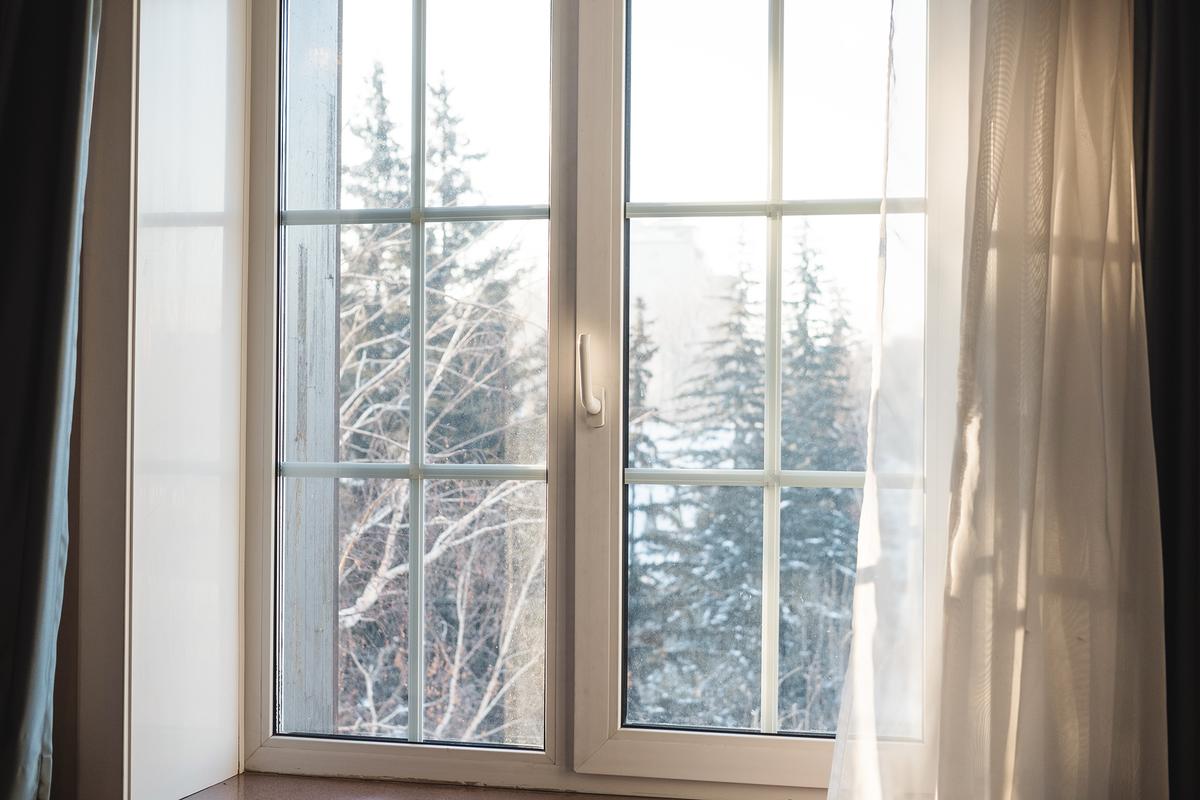
Opening curtains during the day lets sunlight naturally warm the room. (SasinParaksa/Getty Images)

Opening curtains during the day lets sunlight naturally warm the room. (SasinParaksa/Getty Images)


Beefed-Up Protection


Even new windows can benefit from window inserts (interior storm windows) and the extra layer of protection they offer. For drafty older windows, however, they may help avoid the expense of full window replacement. Custom-made to size, with a strong frame and clear thin film, they push into place to create an extra insulating pocket of air.

There’s a reason why sealing windows with heavy-duty plastic sheets makes most comprehensive lists for “energy-efficiency heating tips.” A formal insert makes the setup simple and attractive. As a bonus, they work in conjunction with curtains and also work in the summer to keep hot air out and help reduce air-conditioning costs.

To check for air leaks, turn off the heat source or air flow, and on a windy day, light an incense stick and run it slowly around potential leak areas, keeping an eye out for wavering or blowing smoke. Caulk as needed (or order a window insert).

Tenant’s Choice


Tenants who have a “no drill” clause in their lease still have plenty of options with blinds or shades that use a tension bar to hold them in place. The pleated, honeycomb nature of insulated cellular shades means that they can reduce heat loss through windows 40 percent or more, according to the Department of Energy, but even Roman or roller shades and traditional louvered blinds will help.

Drafts Be Gone


A door draft stopper is a great newbie crafter project. It starts with a long piece of durable fabric—such as a pair of old jeans—that can hold sand, cat litter, or (uncooked) rice filling.

A typical size for a front door is 36 inches wide by three inches tall, but measure the door to be sure. Start by cutting a piece of material for the 40-inch door width, plus four inches by eight inches for the three-inch finished height. Turn the material inside out, and sew a running stitch. Fabric glue will also work. Turn it right side out, fill it, and close up the end. To make things even easier, fill a couple old gym socks, tie off the end, or zip-tie it closed, and lay several across the door opening.

Bed and Neck Warmers


Fill an additional sock or two with rice to make bed warmers. Put it in the microwave for 90 seconds, and toss it between the sheets before tucking in. A long sock can also double as a neck warmer to reduce holiday stress, or use the draft stop instructions and a general material size of 24 inches by 10 inches to make a spa-quality neck wrap with a final fit of 22 inches long and four inches wide, so it rests comfortably on the shoulders. Don’t overfill—it should be flexible. Dried herbs can also be added to enhance the experience.
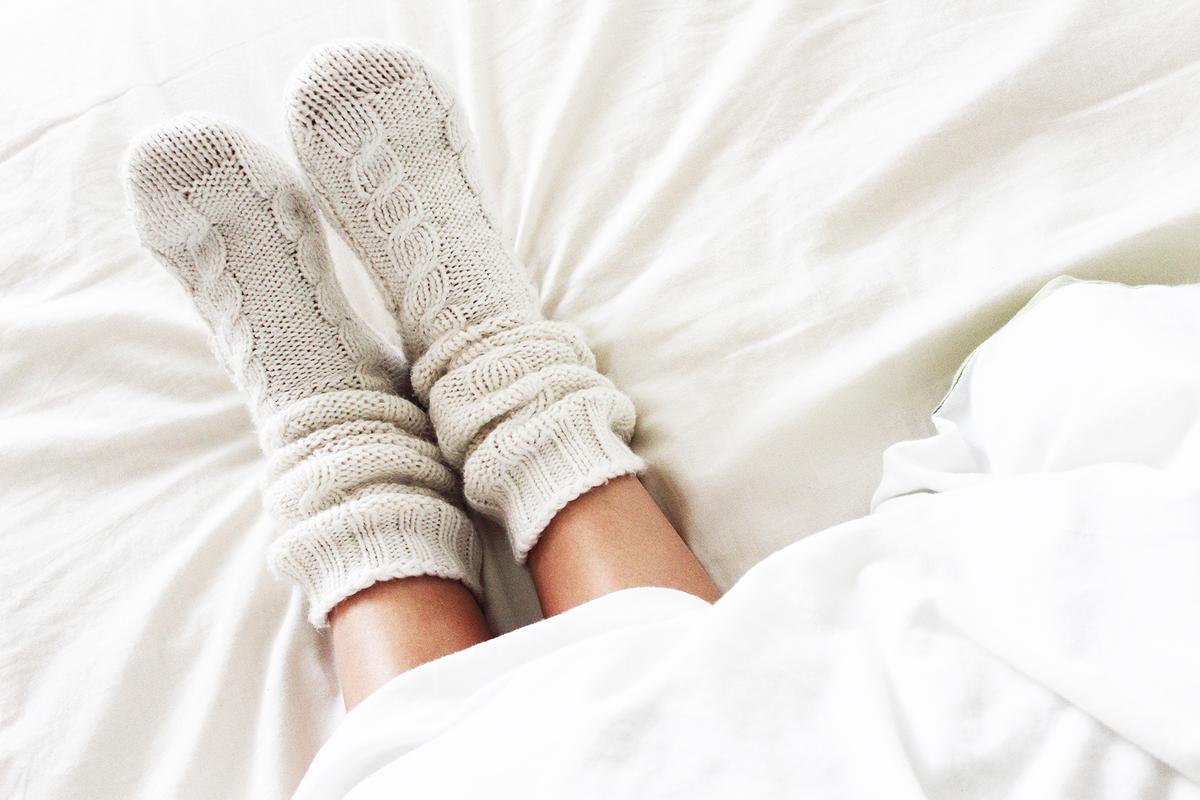
Cozy clothing and other bed warmer options offer soothing comfort on cold nights. (Esmeralda Edenberg/Shutterstock)

Cozy clothing and other bed warmer options offer soothing comfort on cold nights. (Esmeralda Edenberg/Shutterstock)


Holiday Heat


Leave the oven door open after baking or cooking to let the remaining heat take a few minutes’ burden off the heating system while also making the house smell divine. However, keep the oven closed if there are small children or pets around who can be injured.

_____________

Ongoing Comfort


If the budget allows, consider installing a towel warmer in the bathroom to significantly enhance the daily shower experience.

Tropical Heat


Increasing the humidity level in the home will help combat dry skin, and the increased moisture content actually holds warmth. Place a pan of water on a radiator, or boil it on the stove; don’t run the vent fan after a hot shower or invest in a humidifier.

Beneath the Feet


Area rugs add a dash of instant panache and keep the feet warmer. They also benefit the heating system, as they are wonderful at insulation, helping prevent heat loss through the floor. Layer them for additional insulation and a trendy look.

Reduce Energy Loss


Make sure there are backdraft dampers on bathroom vent fans, range hoods, and any other intake or exhaust fans that duct outside. If not, install them. Dryers, too. This creates a one-way airflow that keeps cold air—and hot air in summer—from sneaking in.


Share This Article:
Sandy Lindsey is an award-winning writer who covers home, gardening, DIY projects, pets, and boating. She has two books with McGraw-Hill.

©2023-2025 California Insider All Rights Reserved. California Insider is a part of Epoch Media Group.