
A U.S. Army veteran accused of leaking classified information to a journalist will be released to home detention, a federal judge ruled on April 13.
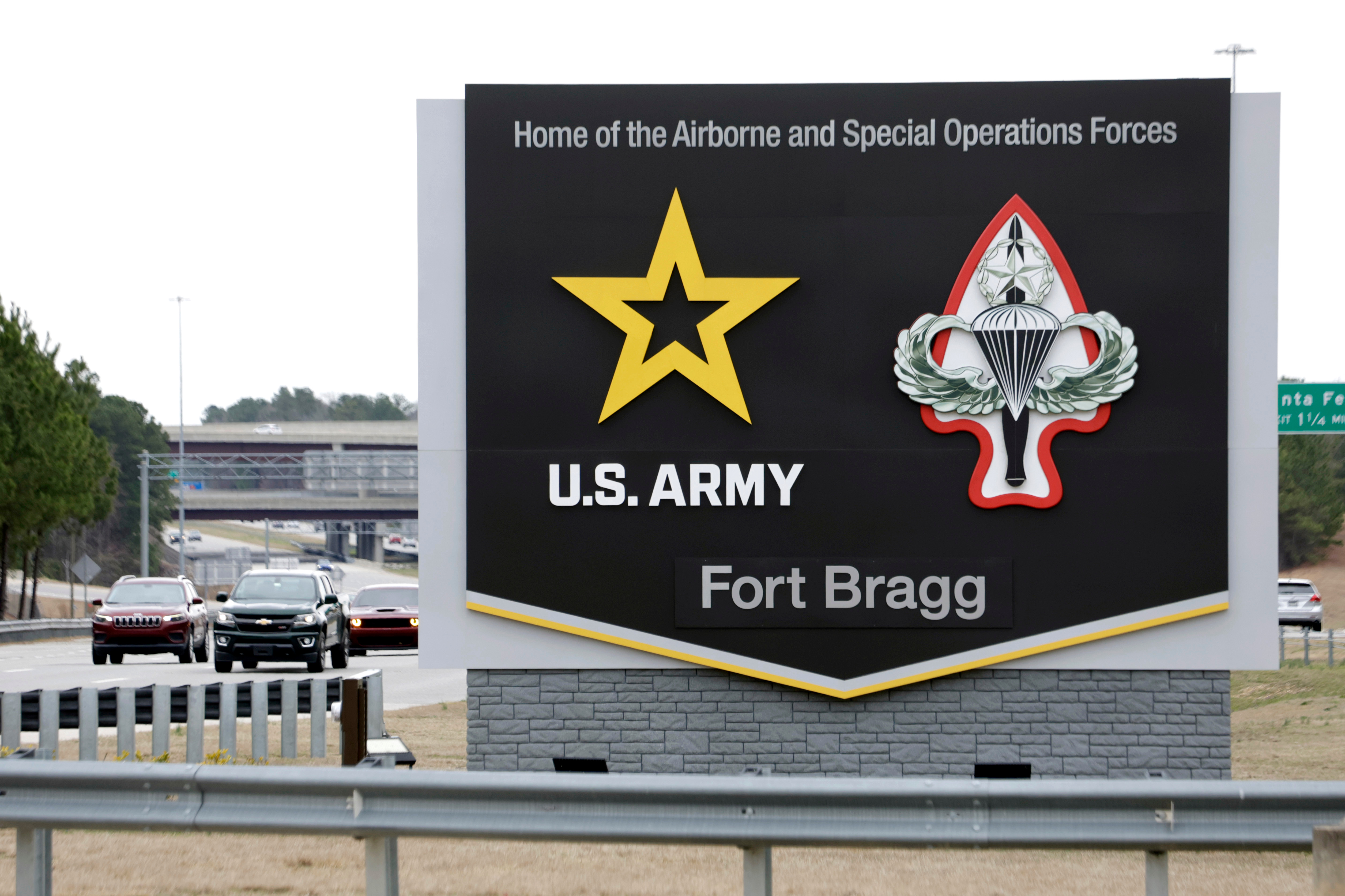
During an April 13 court hearing, U.S. Magistrate Judge Brian Meyers approved the release of Courtney Williams, 40, as she awaits a potential trial. Williams is accused of unlawfully communicating and disclosing sensitive national defense information related to a “special military unit” at Fort Bragg, North Carolina, where she previously worked as a civilian.
Williams, who was arrested last week, appeared in court wearing a striped jumpsuit. Under the terms of her release, she will remain on home detention with electronic location monitoring. She is also prohibited from contacting members of the media or using social media platforms.
Her attorney, Christian Dysart, declined to comment following the hearing.
Williams was indicted on April 8, more than a week after a criminal complaint was filed against her.
“Courtney Williams swore an oath to safeguard our nation’s secrets as an employee supporting a Special Military Unit of the Army,” FBI Assistant Director Roman Rozhavsky of the agency’s Counterintelligence and Espionage Division said in a statement. “She allegedly violated that oath by sharing classified information with a media outlet, putting our nation, our warfighters, and our allies at risk. This case should serve as a stark warning to anyone entrusted with classified information.”
According to the Department of Justice (DOJ), Williams worked for the Special Military Unit from 2010 to 2016 and held a Top Secret/Sensitive Compartmented Information clearance. In that role, she had daily access to highly classified material and received extensive training on how to properly handle and protect such information. She also signed a nondisclosure agreement acknowledging that unauthorized disclosures could result in criminal prosecution.
Prosecutors allege that between 2022 and 2025, Williams communicated extensively with a journalist via phone calls and text messages, totaling more than 10 hours of conversations and more than 180 messages. In one exchange, the journalist provided identification and stated an interest in obtaining information about the unit for an upcoming article and book.
While court documents do not name the journalist or the military unit, the details align with reporting and a book by Seth Harp about the Army’s secretive Delta Force.
Authorities say that after these communications, the journalist published both an article and a book that identified Williams as a source and included statements attributed to her. Some of those statements allegedly contained classified national defense information. Prosecutors also allege that Williams made additional unauthorized disclosures through her personal social media accounts.
On the day the article and book were released, Williams exchanged messages with the journalist expressing concern about the amount of classified information being made public, prosecutors said. In a separate message to another individual, she expressed concern that she “might actually get arrested ... for disclosing classified information,” according to the DOJ.
According to investigators, Williams later referenced provisions of the Espionage Act and acknowledged that she had long understood the legal risks.
“I have known my entire career,” she wrote in one message, noting that such warnings were repeated “100 times a day.”
In another message to a third party described by prosecutors, she said that she was “probably going to jail for life.”
The Associated Press contributed to this report.