
Agriculture Secretary Brooke Rollins said on March 13 that President Donald Trump and administration officials are looking at how to help farmers afford fertilizer amid escalating costs due to the war in Iran.
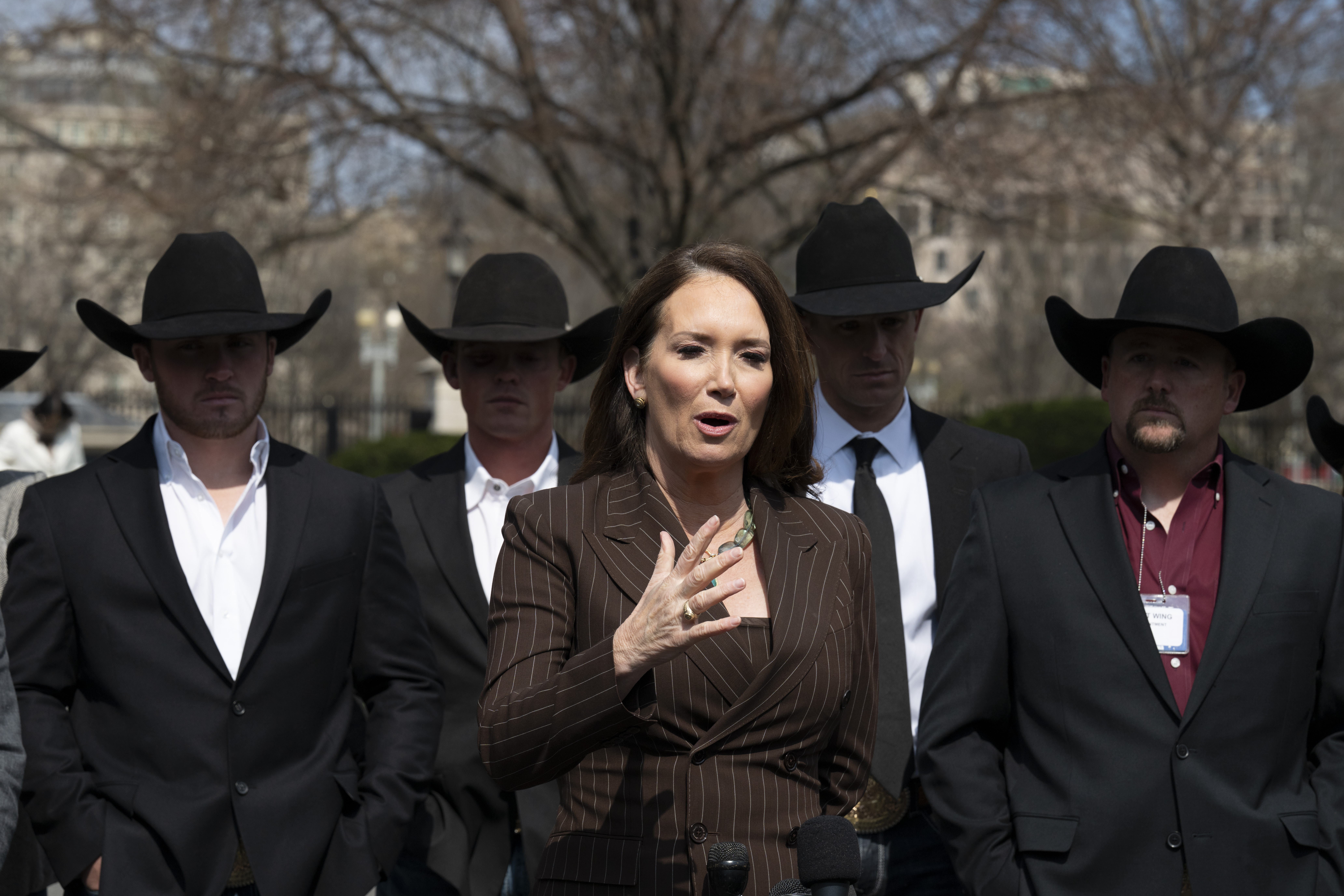
“The president is very aware of these challenges and these issues. We are very close to having an announcement on some solutions, on what that looks like,” Rollins told reporters at the White House in Washington.
“We’re looking at every potential avenue to keep the fertilizer costs down as these farmers are going into planting season. No big announcements yet, but it is coming.”
The war, which started in February, is driving up the cost of nitrogen urea, a key component of fertilizer.
About three-quarters of farmers have already purchased fertilizer for the planting season, but the rest have not, according to Rollins.
She said that officials have been in discussions with members of Congress and farmers as they eye solutions, including, potentially, giving taxpayer money to farmers.
“At this point, everything is on the table,” Rollins said. “This president is ... resolute. He will stand with our farmers. He knows that [this is a] national security issue, and we’re on it. So more to come on that. Thank you.”
The One Big Beautiful Bill Act, signed by Trump in 2025, already provided $12 billion in emergency funding to farmers.
Zippy Duvall, president of the American Farm Bureau Federation, wrote to Trump earlier in March, telling him that farmers are dealing with declining crop prices, increasing inflation, and rising prices for inputs such as fertilizers due to the closure of the Strait of Hormuz.
“Without strategically prioritizing the delivery of critical farm inputs such as urea, ammonia, nitrogen, phosphate, and sulfur-based products, the U.S. risks a shortfall in crops,” Duvall wrote.
“Not only is this a threat to our food security—and by extension our national security—such a production shock could contribute to inflationary pressures across the U.S. economy.”
Possible steps include suspending duties on imported fertilizer and using the U.S. Navy to escort ships through the strait, Duvall said.
Urea prices have skyrocketed in recent weeks to about $580 a ton, up from around $450 a ton in February. Countries in the Middle East account for about half of the global urea exports, and about 30 percent of global ammonia exports, according to the bureau.
The farm bureau said that without action, farmers may be forced to plant fewer acres, which would lead to lower yields and higher prices.