In traditional Chinese medicine (TCM), it is believed that nourishing the kidneys is like nourishing life, as the kidneys store the essence of the body. The brain, hair, bones, teeth, respiration, and water metabolism all rely on the support of kidney energy.
This TCM viewpoint, to a certain extent, echoes Western medicine’s understanding of the kidneys’ role in influencing overall physiological functions through hormones.
Building on the importance of the kidney, many TCM practitioners recommend that regularly eating seven specific foods can help protect your kidneys.
7 Foods to Nourish the Kidneys
To achieve longevity and health, one should pay attention to nourishing the kidneys from middle age onward, as “food therapy is better than medication,” Taiwanese TCM practitioner Lin Guitold The
Epoch Times.Research supports the theory. A meta-analysis published in CJASN in 2019, involving more than 630,000 adults, found that a healthy diet can help reduce the risk of chronic kidney disease by about 30 percent.
According to Lin, adding the following foods to your daily diet is an effective way to nourish your kidneys:
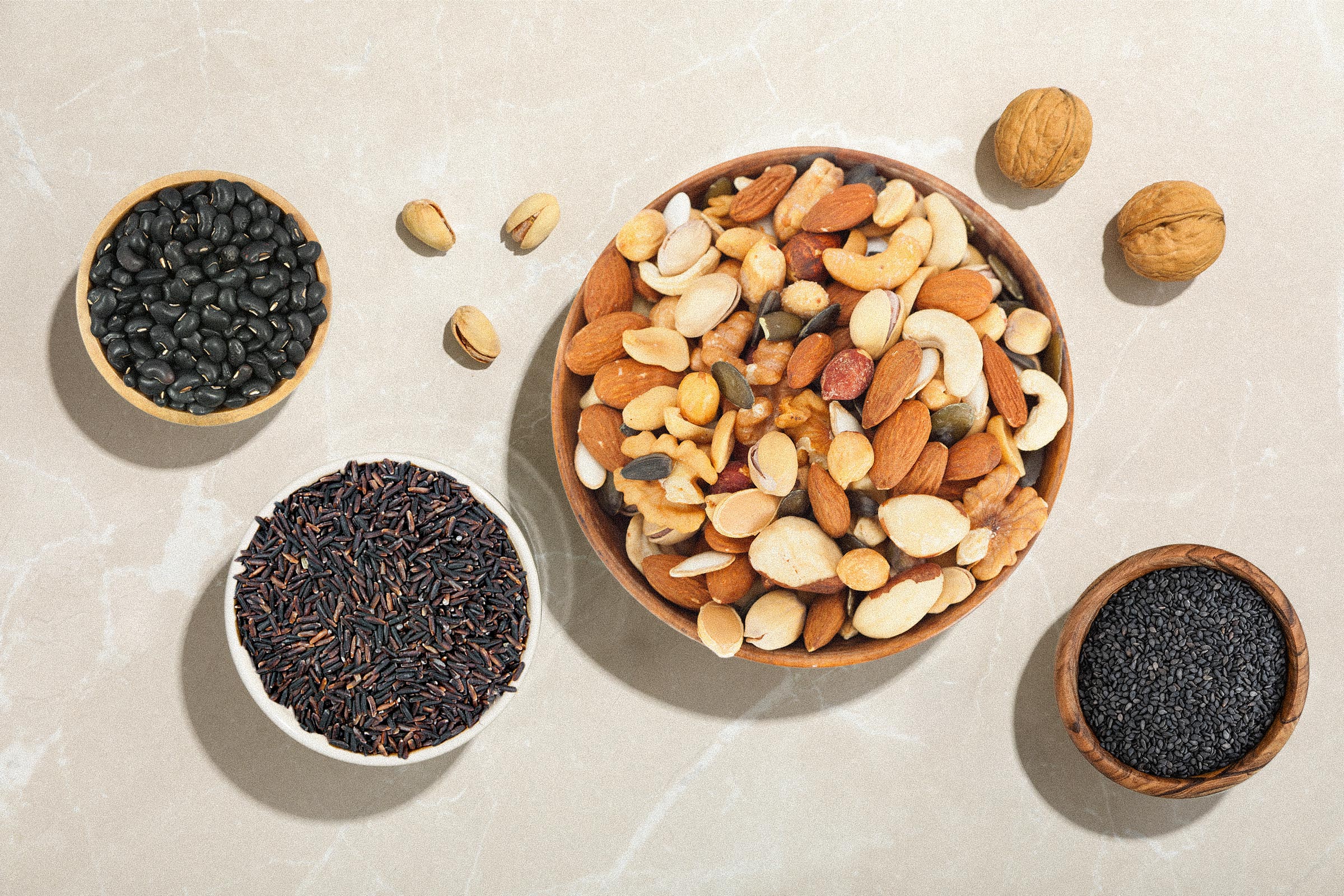
1. Black Color Foods: TCM believes that “black foods” such as black rice, black sesame seeds, and organic black beans can nourish the kidneys. Animal studies have found that supplementing with black bean polysaccharides improves diabetic nephropathy.
While black beans nourish the kidneys, Lin noted that people with existing kidney disease should avoid eating too many, as they can increase the burden on the kidneys. Moreover, those with poor gastrointestinal function should also eat less, as excessive intake can cause bloating.
2. Nuts: Nuts—especially walnuts—are believed to nourish the kidneys and “consolidate essence.” TCM theory holds that the kidneys store essence (jing), which generates marrow that supports the brain and central nervous system—hence the traditional association between kidney health and cognitive vitality.
From a modern perspective, this connection may reflect shared biological pathways. Both the kidneys and brain are highly energy-dependent organs and are vulnerable to oxidative stress and inflammation, key drivers of kidney damage and cognitive decline. Walnuts are rich in omega-3 fatty acids and polyphenols, nutrients known to reduce inflammation and oxidative injury.
Experimental studies show that walnut polyphenols, particularly those concentrated in the walnut skin, can protect liver and kidney tissues by inhibiting inflammatory responses, oxidative stress, and cell apoptosis. While most mechanistic evidence comes from animal and cellular studies, human research consistently links regular nut consumption with lower systemic inflammation and improved cardiometabolic health—factors closely related to kidney function.
3. Ginkgo: Japanese TCM practitioner Zhen Lixue told The Epoch Times that ginkgo nuts, commonly known as “white nuts,” are rich in more than one hundred compounds. A randomized controlled meta-analysis of more than 3,000 patients with diabetic nephropathy found that ginkgo extract improved renal function and metabolic parameters.
Zhen reminds patients that ginkgo nuts need to be cooked before being eaten, and eating them raw or too many may lead to poisoning. Adults should eat no more than ten per day.
4. Pumpkin Seeds: Animal experiments have shown that roasted pumpkin seeds can reduce related rising indicators when the kidneys are hurt, enhance the body’s antioxidant defense capacity, and help the kidneys maintain more stable function.
Roasting can also increase the seeds’ antioxidant compounds (total phenols and flavonoids), which may contribute to their protective potential.
5. Olive Oil: High blood lipids are one of the risk factors for kidney damage. Olive oil is rich in monounsaturated fatty acids and has antioxidant and anti-inflammatory properties, helping to lower harmful LDL cholesterol.
A study published in Nutrients found that after eating extra virgin olive oil for 9 weeks, kidney function, blood lipids, inflammation, and oxidative stress improved in patients with kidney disease.
Zhen said that cooking with olive oil at low temperatures, such as stir-frying or using it in salads, helps to absorb more nutrients.
6. Apples: Apples are rich in polyphenols, vitamin C, dietary fiber, and pectin, and possess antioxidant properties. A study published in Antioxidants in 2025 found that supplementing diabetic rats with apple polyphenols improved indicators related to early diabetic nephropathy.
The US National Kidney Foundation states that apples are low in potassium, phosphorus, and sodium, making them suitable for patients with kidney disease. They are safe for patients with kidney stones, those undergoing hemodialysis, and kidney transplant recipients. Apple peel also has high antioxidant capacity; eating the peel enhances its antioxidant effect.
7. Kelp: Kelp is rich in soluble fiber and seaweed polysaccharides. Laboratory and animal studies suggest seaweed polysaccharides may help protect kidney cells and reduce protein loss in urine in certain kidney-injury models. Human research directly testing kelp for proteinuria is limited; however, observational studies link higher fiber intake to lower prevalence of chronic kidney disease, and human trials of seaweed overall suggest potential benefits but remain inconclusive.
Because kelp can be very high in iodine, it’s best eaten in moderation—especially for people with thyroid disease or those on medically supervised kidney diets.
Nourishing the Kidneys in Winter
TCM believes that winter is the best season to nourish the kidneys and replenish essence. After the physical and mental exertion during
spring, summer, and autumn, the body’s depleted vital energy would like a winter hiatus and replenishment to prepare for the coming year. Lin said that failing to conserve energy during winter can easily deplete the body’s foundation and accelerate aging. Here are some key points for daily health maintenance:
- Clothing: Stay warm, especially protecting the head, waist, knees, and feet to prevent chills.
- Heart Nourishment: Avoid mental strain, overexertion, and emotional distress to reduce the risk of cardiovascular diseases caused by coldness.
- Exercise: Exercise should aim for minimal sweating to avoid depleting bodily fluids. Gentle warm-up exercises are recommended.
While winter is the best time to nourish the kidneys, it is essential to consult a TCM practitioner beforehand to understand your constitution and avoid incorrect or excessive supplementation, which could have adverse effects.
Jonathan Liu, a professor at the Toronto School of Traditional Chinese Medicine and a contributor to Epoch Health, told The Epoch Times that people have different constitutions and, therefore, different approaches to supplementation. The two common constitutions are cold and hot. People with a cold constitution are more sensitive to winter weather, typically with cold hands and feet, while those with a hot constitution are more sensitive to a hot climate and prone to dry mouth, constipation, and bad breath.
The foods to nourish the kidneys are therefore different between the two types of people. Those with a cold constitution should eat more leeks, lychees, and longans to warm the body, while those with a hot constitution should eat more neutral (neither hot nor cold) foods such as Chinese yams, lentils, and goji berries. These foods all offer a kind of kidney-tonifying effect.
Factors That Damage Kidney Function
While focusing on nourishing and conditioning the kidneys, it is also essential to be aware of factors that might damage them. In addition to genetic factors, many acquired causes can be improved by adjusting lifestyle habits. According to Zhen, the following are common causes of a gradual decline in kidney function:
- Diabetes: Long-term high blood sugar can cause hardening of the renal microvessels, thereby reducing the glomerular filtration function and even leading to kidney failure.
- High Blood Pressure: Long-term high blood pressure can damage the elasticity of blood vessel walls, leading to obstructed blood flow to the kidneys; conversely, kidney disease can also promote the secretion of hormones that raise blood pressure, creating a vicious cycle.
- Gout: When uric acid levels in the blood are too high, uric acid crystals can deposit in the joints, causing arthritis. If deposited in the kidneys, it can cause kidney damage.
- Autoimmune Diseases: When the immune system malfunctions and cannot correctly distinguish between itself and foreign pathogens, it may mistakenly attack its body’s own kidneys, leading to kidney damage.
- Excessive Medication: Some anti-inflammatory drugs and antibiotics are metabolized by the kidneys, and long-term or excessive use may damage the latter.
- Ultra-Processed Foods: Ultra-processed foods have a great impact on the kidneys. Studies have found a significant correlation between ultra-processed food intake and the risk of chronic kidney disease.
- Heavy Metals: Cadmium, mercury, and lead all affect the kidneys. These metals can enter the body through food and skin contact, and since the kidneys are the main detoxification organs, the higher the concentration, the worse the kidney function.
- Plastic Products: Microplastics are ubiquitous in the environment, and studies show that microplastic particles are toxic to the kidneys.