At just 29, Shen Lan-ting received a devastating diagnosis: advanced colorectal cancer, with only three months to live. Instead of succumbing to despair, she embraced a radically positive mindset. “No matter how little time I have left, I will greet each day with joy and gratitude,” she said.
Three months later, her inoperable 10-centimeter tumor had shrunk to 2 centimeters. Fifteen years later, she lives a vibrant, healthy life—the cancer is gone.
A Life-Changing Diagnosis
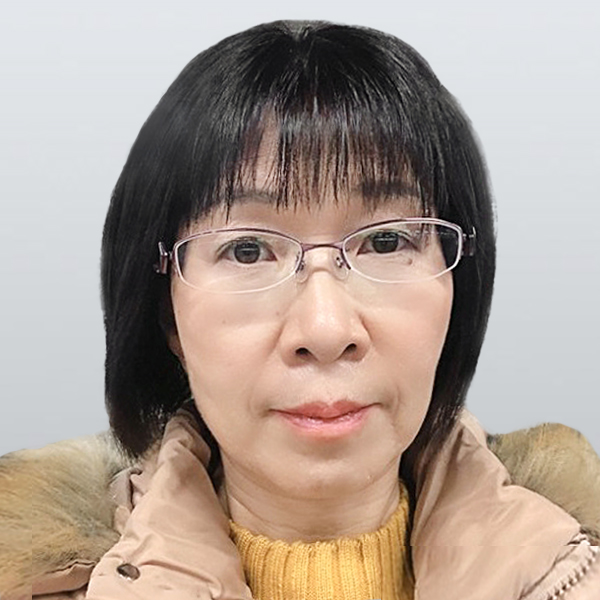
The Taiwanese woman who triumphantly overcame cancer, Shen—a former president of the Taoyuan Junior Chamber International for Women—shared her story with The Epoch Times.
In February 2010, she was diagnosed with late-stage colorectal cancer that had spread from the colon to the peritoneum, the thin membrane that lines the abdominal cavity and covers many internal organs. Doctors declared the tumor inoperable.
“The doctor told me the survival rate with targeted therapy was likely less than 10 percent, and the chance of living five years was just one in 10,000,” she said.
She said she was terrified and that she “basically cried every day.”
Yet this trial sparked a profound realization: birth, aging, illness, and death are inevitable for us all. “Live fully in the present each day,” she said, “because no one knows what tomorrow will bring.”
Wiping away her tears, she decided to cherish each day by spending meaningful time with her family and friends, reconciling with others, and finding peace with herself. She turned her focus toward what truly mattered in the moment, refusing to dwell in the emotional grip of self-pity or fear of death.
Making Peace With Cancer Cells
Shen’s approach to overcoming cancer was never about “fighting” it. “The most crucial element,” she said, “is changing one’s mindset. Rather than saying I’m battling or treating the cancer, I prefer to say ‘my goal is to create health.’”
“Cancer cells are, after all, my own cells,” she said. “They don’t want to kill me—if the body dies, they can’t survive either. So I chose to make peace with them and thank them for the wake-up call, allowing us to heal together.”
She reflected on her lifestyle before the diagnosis. Like many young people, she ate whatever was convenient—often takeout—kept erratic hours with days and nights reversed, and never exercised, completely ignoring her body’s needs.
While cancer is complex and influenced by many factors, including genetics, environment, immunity, and chance, she saw her illness as an opportunity to restore balance rather than assign blame.
“Tumors can grow larger,” she said, “so they should also have the potential to shrink—just like a balloon.”
The Power of Gratitude
Inspired by Masaru Emoto’s book “The Hidden Messages in Water,” which demonstrates how words of gratitude create beautiful crystals in water while negative words produce ugly ones, Shen applied the principle to herself. “Since over 70 percent of the human body is water, I decided to try it. No matter what I eat, I say ’thank you' and enjoy it happily.”
She now prioritizes seasonal, fresh, and natural foods while remaining relaxed about occasional processed items. “The harm from worry and fear far outweighs the food itself,” she said. “So I eat joyfully—and always with gratitude.”
Beyond diet, she cultivated healthier sleep habits. “Before bed, I sincerely thank my body, then welcome the promise of a new day.”
The Link Between Emotions and Illness
During her cancer journey, one incident opened Shen’s eyes to the powerful link between emotions and health.
While riding in a taxi, she became involved in a heated argument with the driver. In a sudden burst of rage, he grabbed her collar and threatened her. Burning with anger, Shen broke down in tears and planned to report him to the police.
Until that moment, her chemotherapy side effects had been relatively mild. Immediately after the confrontation, however, they escalated dramatically—nausea, vomiting, and severe hair loss surged with an intensity she had never experienced before.
When she told her family what had happened, they—fellow Christians—encouraged her to pray. At first, she felt reluctant and weighed down by emotions. As she listened to their prayers, however, a quiet shift began within her. Slowly, she let go of her anger and frustration, opening her heart to understanding the driver’s struggles.
Looking back, Shen feels deep gratitude for that difficult moment. “It taught me how profoundly emotions affect the body,” she said. “Holding onto anger or sadness only hurts yourself, not the other person. It’s far better to let it go and move forward with a grateful, joyful heart.”
Modern research supports her insight: Even fleeting positive emotions can strengthen immune function and improve key health markers.
Building Exercise Habits
As she transformed her lifestyle, Shen recognized how truly invaluable the support of family and friends had been. She fondly recalls how her aunt—and her aunt’s dog—played a key role in establishing a consistent exercise routine.
After reading an article that described exercise as the cornerstone of health, Shen understood that movement saturates cells with oxygen, making them more vibrant. Her aunt had read the same article and immediately called her, saying, “Let’s go exercise!”
Shen replied with a quiet “OK,” though all she really wanted was to collapse into bed. To her surprise, her aunt soon arrived downstairs with the dog and phoned again: “No rush—take your time. I’m here waiting. Let’s walk the dog together.”
Opening the window, Shen saw her aunt waving cheerfully and the dog wagging its tail with eager joy. Touched by their patience, she headed downstairs without hesitation.
With the encouragement of her loved ones, Shen gradually built a consistent exercise habit. Later, she even completed a 360-kilometer (223-mile) cycling tour, inspiring confidence in other cancer patients.
The 3-Part Path to Recovery
Shen views true healing as a harmonious journey across three interconnected realms: body, mind, and spirit.
Body: Focus on diet, exercise, and sleep—choosing seasonal, natural foods, spending time in nature through physical activity, and allowing the body proper rest.
Mind: Cultivate lasting gratitude. When negative emotions surface, she advises releasing them gently—perhaps by confiding in loved ones—and allowing those feelings to transform into peace.
Spirit: Faith plays an irreplaceable role, inspiring people to be more positive and compassionate.
Reflecting on her journey, Shen’s heart overflows with gratitude. “Every life unfolds through unique experiences,” she said. “I see them as precious gifts that help us grow. In my darkest days with late-stage cancer, I promised myself that if I recovered, I would share my story to uplift others.”
“Today, I’m deeply thankful for every chance to do so. It reminds me, again and again, to live a healthy, joyful, and purposeful life.”
The Benefits of Gratitude
Medical experts have found that a positive, optimistic outlook, combined with a heart full of gratitude, can powerfully support recovery from disease and enhance overall well-being.
Gratitude and positive emotions activate the brain’s prefrontal cortex and reward pathways while calming the amygdala, the brain’s fear center. This shift reduces chronic stress signaling, lowers cortisol levels, and dampens inflammation. At the same time, positive emotions enhance vagus nerve activity, improving immune regulation, digestion, and cellular repair.
In short, gratitude moves the body out of “survival mode” and into a state more favorable for healing.
People with higher moral cultivation view the world through a unique lens, Dr. Yang Jingduan, CEO of Northern Medical Center in New York, a psychiatry specialist, and Epoch Times contributor, told The Epoch Times. Whereas others perceive only misfortune, they uncover positive and uplifting aspects. Consequently, they seldom harbor negative emotions or engage in harmful behaviors—a quality Yang considers vital for health and resilience.
Yang emphasized the importance of cultivating moral character in daily life, including compassion, understanding, forgiveness, and kindness toward others. Without consistent practice, it is difficult to maintain a positive mindset. When unexpected events arise, people are more likely to react with extreme words or actions, which can harm others and take a toll on their own health.
From a complementary perspective, Japanese traditional Chinese medicine (TCM) practitioner Ritsugaku Ken said that, in TCM, blocked energy channels, known as meridians, can cause pain and eventually lead to stagnation that fosters tumors or cancer. Gratitude, he said, acts as a potent positive force—it helps clear these channels, harmonizes the body’s energy with the “qi” or energy of heaven, earth, and nature, and restores balance to body and mind.
Modern science echoes this view. A 2024 study published in JAMA Psychiatry analyzed data from nearly 50,000 older U.S. female nurses and found that those who regularly practiced gratitude faced about a 9 percent lower risk of death from any cause. Other research shows that gratitude can significantly reduce inflammatory markers in the body.
Tips for Cultivating a Heart of Gratitude
Ken recommends weaving simple gratitude habits into everyday life.
Write a Gratitude Journal
Every night, jot down the people or moments you are grateful for—whether it’s noticing something beautiful, having a joyful conversation with a friend, savoring a delicious cup of coffee, or helping someone solve a problem.
You can also write down the happiest moments of your day and place them in a box. On difficult days, pull out a note or two to relive those experiences and reconnect with gratitude.
Exchange Words of Thanks With Family and Friends
Some people quietly support us every day, yet we often overlook their efforts: your spouse who makes your first cup of coffee, your parents who keep the pantry stocked, or your children who lift your spirits with laughter. Notice the contributions we often take for granted—the bus driver who takes you to work or the cleaner who quietly keeps the streets tidy.
Pause and say sincerely, “Thank you.”
Take Gratitude Walks
While strolling—whether in a park or around your neighborhood—observe the colors of the trees, the sounds of nature, and the feel of the ground beneath your feet. Immerse yourself in the present moment and appreciate the world around you.
Practice Self-Affirmation
Each day, say to yourself, “Thank you for trying your best today.” This small act strengthens your sense of self-worth and supports your ongoing journey of gratitude.