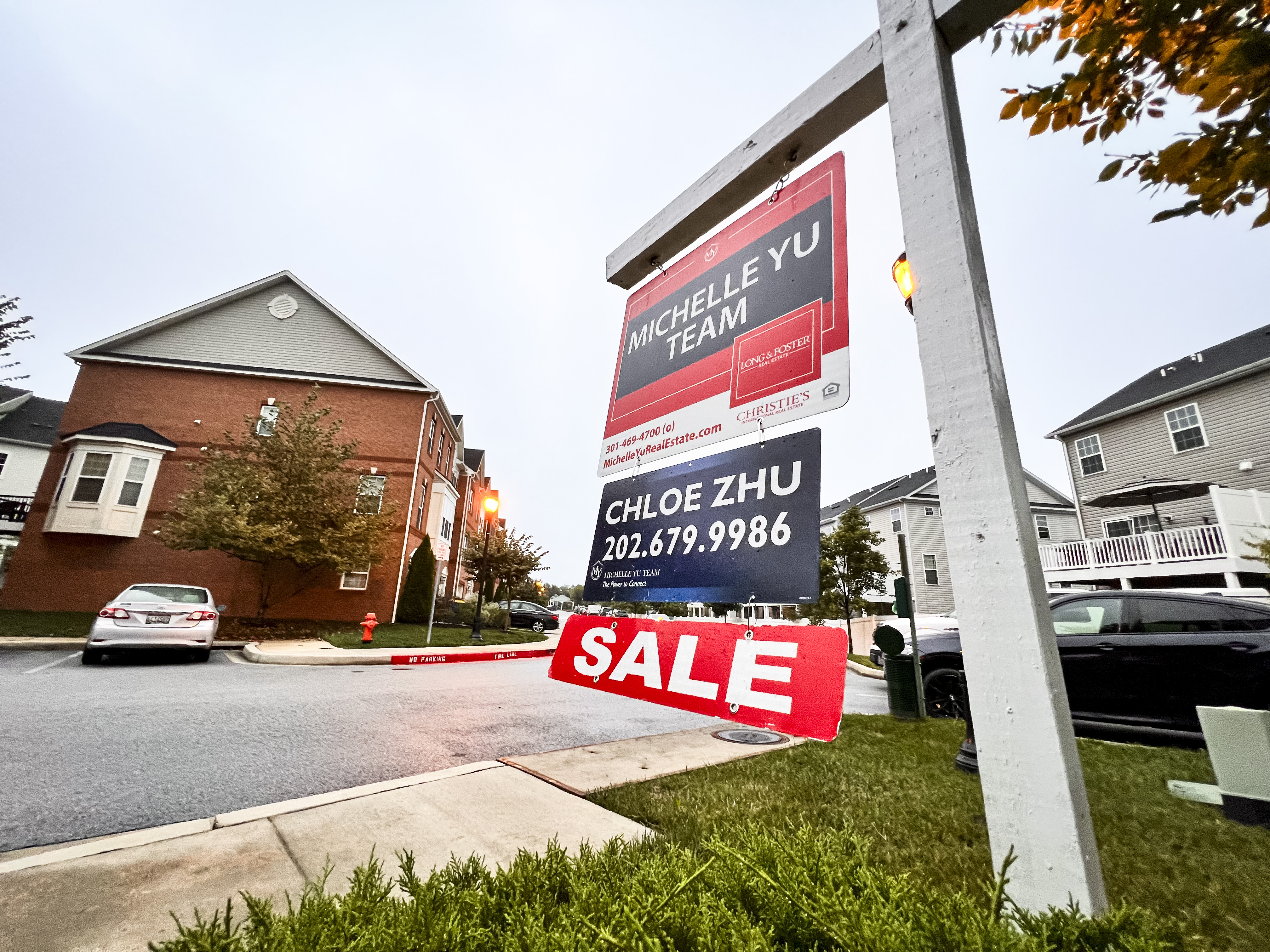

The U.S. Senate overwhelmingly approved the first major housing bill in 30 years on June 22 following a months-long standoff with the House.
Senators voted 83–5 on June 22 to pass the bipartisan 21st Century Road to Housing Act, a key bill aimed at expanding supply and lowering costs.
The bill will then return to the lower chamber later this week, where it’s expected to pass, setting the stage for President Donald Trump’s signature.
It was a rare moment of bipartisanship in Washington, as Congress has been delayed by shutdowns, achieving a small number of legislative accomplishments.
As housing affordability has declined since the pandemic, pricing out younger generations of homebuyers, there have been widespread calls to reform the industry.
A new analysis by the Joint Center for Housing Studies of Harvard University found that median prices for new and existing homes exceed $400,000, meaning they are five times the median income—far higher than the 1990s level.
The 381-page bill includes dozens of provisions to achieve affordability goals.
It rolls back various permits and regulations, provides financial support for homebuyers, builders, and state and local governments, and establishes an Innovation Fund to reward communities that successfully build more housing.
Both chambers of Congress have engaged in tense negotiations over the bill’s language.
One point of contention has been the White House’s proposal to prevent institutional investors from scooping up single-family homes.
In March, the upper chamber approved its housing package, which included a requirement that build-to-rent single-family developers sell their properties within seven years.
The House passed an amended version in May that eases restrictions by including various exemptions for institutional buyers of newly constructed rentals.
Additionally, the text includes several measures, including nine new community banking measures and a three-year sunset of the Community Development Block Grant Disaster Recovery program.
“With this bill, we will get single-family homes back into the hands of American families, not corporations,” Sen. Elizabeth Warren (D-Mass.), ranking member of the Senate Banking Committee, said on the floor last week.
“An overwhelming majority of Americans across party lines want to stop private equity from snapping up single-family homes, and this bill does exactly that.”

House Financial Services Committee Chairman French Hill (R-Ark.) said the legislation is a “meaningful step toward” boosting housing supply, restoring affordability, and ensuring more Americans achieve homeownership.
“Bipartisan, bicameral legislating is never easy—but progress matters,” Hill said in a June 16 statement.
Industry Endorsement
Since its introduction, the housing industry has been vocal about the need for policy reforms. Various groups have expressed their support for the legislation.
Regulatory costs add more than $131,000 to the price of new homes, says Shannon McGahn, executive vice president and chief advocacy officer of the National Association of Realtors.
“America’s housing shortage and affordability challenges demand action,” McGahn said in a news release.
“This legislation helps reduce barriers to building, modernize housing programs, and creates more opportunities for homeownership.”
The “historic housing package” would help all parties in the U.S. housing industry, according to Bill Owens, chairman of the National Association of Home Builders.
“This landmark legislation would expand housing opportunities for buyers and renters, strengthen homeownership, and help tackle the affordability challenges facing communities nationwide,” Owens said in a statement.
The Community Home Lenders of America, a national nonprofit representing small- and mid-sized community mortgage lenders, says that while it supports the bipartisan bill, it hopes more will be done for first-time homebuyers.
“CHLA hopes this is a springboard to Congress adopting bold tax policies and a national focus on entry-level housing,” it said in a statement.
Data show that older generations have dominated the real estate market.
Baby Boomers are the largest generation of buyers, at 42 percent, compared to 26 percent of millennials and 4 percent of Generation Zers, according to the National Association of Realtors.
Additionally, first-time buyers accounted for just 21 percent of all homebuyers, down from 24 percent in the previous survey.