
Then That Little Voice in My Head Started Asking Questions
I pushed those concerns away for the sake of convenience (after all, filling my own coffee filter with fresh ground coffee takes all of what ... two minutes? I’m a busy person, just like you!).
I wondered:
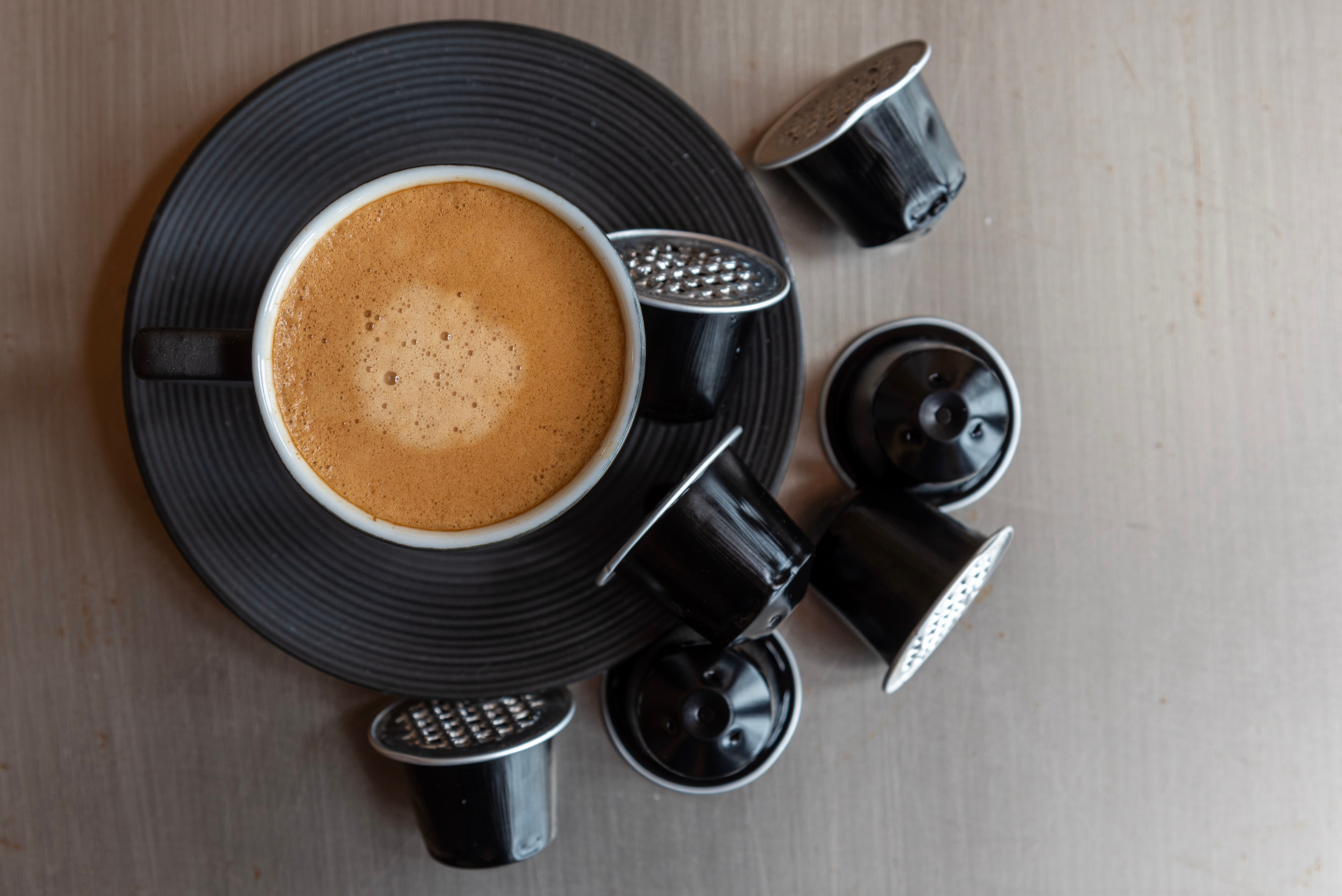
- How fresh is the coffee in a K Cup?
- What toxins am I exposing myself to as the hot water forces the coffee through the little holes poked in the plastic cup?
- What is that lid made of that is poked at the top to allow the water to enter the cup?
- What chemicals are used in the flavored coffee selections?
- Is there a filter inside the plastic cup? What is it made of and how is it secured inside the plastic cup?
If you own a Keurig, please continue reading this post because what I discovered is shocking and sickening. This will explain why I am kicking my Keurig to the curb.
Is Your Keurig Harboring Mold and Bacteria?
When I packed up my kitchen to move 500 miles south, I wanted to make sure that my Keurig was completely empty and dry before it went on the moving truck. IMPOSSIBLE!
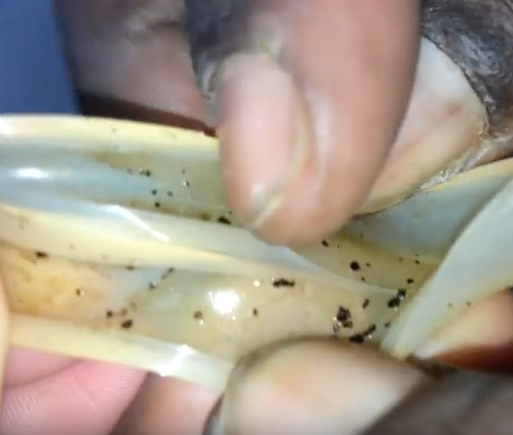
Won’t the Hot Water Kill the Bacteria and Mold?
No, your water is not getting hot enough to kill all microbes that are living in your coffee system. For that to happen, the water would need to reach boiling temperature and stay there for one minute.
Can You Clean the Keurig?
The first step is to empty out the exterior water tank and look inside the tank. Does it feel slimy? Clean and dry that tank and run a few cycles of diluted vinegar through the Keurig. Good luck with that. One person said, “I could still smell a moldy aroma after doing quite a few vinegar cycles. There were also black, floaty things in my cup even when I just brewed hot water.”
Plastic K Cups Conundrum
The Plastic - The K Cup is a composite plastic, #7. Although this is technically BPA-free, the chemicals from the composite plastic are not safe and they still have estrogenic activity.
Almost all commercially available plastic products we sampled—independent of the type of resin, product, or retail source—leached chemicals having reliably detectable estrogenic activity (EA), including those advertised as BPA free. In some cases, BPA-free products released chemicals having more EA than did BPA-containing products.Most Plastic Products Release Estrogenic Chemicals.
As long as I mentioned fake estrogens coming from the plastic in your K Cup, don’t make a bad situation worse by adding soy milk to your coffee! (Men, would you like “moobs“ with your mocha and soy?)
Adam Minter, Bloomberg View, sees it differently. According to the Hamburg Department of the Environment and Energy, the average coffee pod weighs three grams (Nespresso’s popular 1.2-gram pods and others weigh less). Using that figure, all those Green Mountain K-Cups would cumulatively weigh 25,500 metric tons. He doesn’t think this is a problem in the grand scheme of our problem with plastic waste. Update 2017: Keurig Green Mountain said it plans to change the plastic composition in the billions of K-cup single-serving coffee containers it sells by 2020. It will not be easy to recycle the new containers. Peeling apart components, separating the aluminum, recycling in the proper place . . . it seems like Keurig is trying, but the whole concept of delivering fresh coffee in a recyclable way just goes back to using a regular coffee maker or French Press. It is not likely they will ever be fully recyclable.
The Lid is Polyethylene Coated Foil
Aluminum foil. Yes, we would like to avoid aluminum because of the connection with the biggies:
- Alzheimer’s Disease
- Anxiety
- Depression
- Autism
- Celiac Disease
Dr. Stephanie Seneff, PhD recently gave a talk, “How aluminum and glyphosate (Roundup) collaborate to cause anxiety, depression, autism and celiac disease” you can still get MP3s and transcripts if you are interested.
Do You Care?
Do you care about the taste and quality of your coffee?
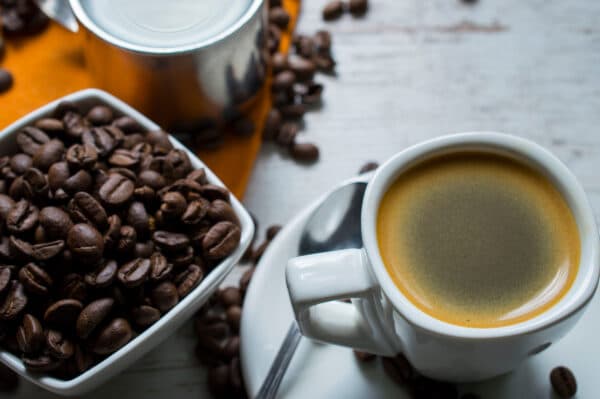
Now That’s a Good Cup of Coffee
The coffee beans you purchase should look inky black and ideally they are Fair Trade, organic and shade grown.
- The coffee beans should have been grown and processed without the use of pesticides, herbicide or chemicals. “Most people are not aware that regular coffee consumption can be a significant source of pesticides. According to the CS Monitor, conventional farmers apply up to 250 pounds of chemical fertilizers per acre!” – Mercola.com
Are you sipping pesticides with your brew?
- We know that pesticides are contributing to the growing rate of cancer, Parkinson’s Disease and miscarriage.
- Use non-bleached filters. White filters have been bleached with chlorinated bleach.
- Shade grown coffee is better tasting coffee because shade-coffee beans ripen more slowly, resulting in a richer flavor. More importantly it is better for the environment and provides a healthier environment for the workers.
How to Make Coffee
- When shopping look for Organic, fair trade, shade grown
beans.
- Get a grinder and grind at home. Brew using spring water.
- Use Spring Water or Filtered Water.
Brew the coffee using a device that you can thoroughly clean and dry, like French Press and Pour Over, but really there are many options. Even an automatic drip or percolator is going to be a better option than a Keurig.
Is Coffee Healthy?
For the general population the evidence from several large studies suggests that moderate coffee drinking is not detrimental to health and may have several health benefits. If coffee gives you the shakes, disturbs sleep, and increases stress, then cut back or eliminate coffee. It is never healthy to drink pesticides in coffee. It is never healthy to have an increased exposure to estrogenic compounds from plastic K Cups. It is never healthy to continue to make coffee with any machine that is harboring mold and bacteria.
Stop Drinking Froo Froo Coffee Drinks
The cafe on the corner may be serving up delicious coffee drinks, but take the time to look up the ingredients and calorie content of your favorite drink. Many contain artificial flavors (MSG), high fructose corn syrup, caramel color and preservatives. This type of coffee is not going to give you any health benefits.
What is new with Keurig
On January 29, 2018, Keurig Green Mountain agreed to acquire Dr Pepper Snapple Group in an $18.7 billion deal. This merger brings Keurig together with 7Up, Crush, Snapple, Hawaiian Punch, RC, and about 45 other brands of soda, juice, juice drinks, teas, mixers, waters and more.
Life is too short to drink bad coffee.
Get the good beans, grind them fresh, brew it yourself.
Be good to yourself. Be good to the earth.
Originally published on GetBetterWellness.com, reposted from the GreenMedInfo.com