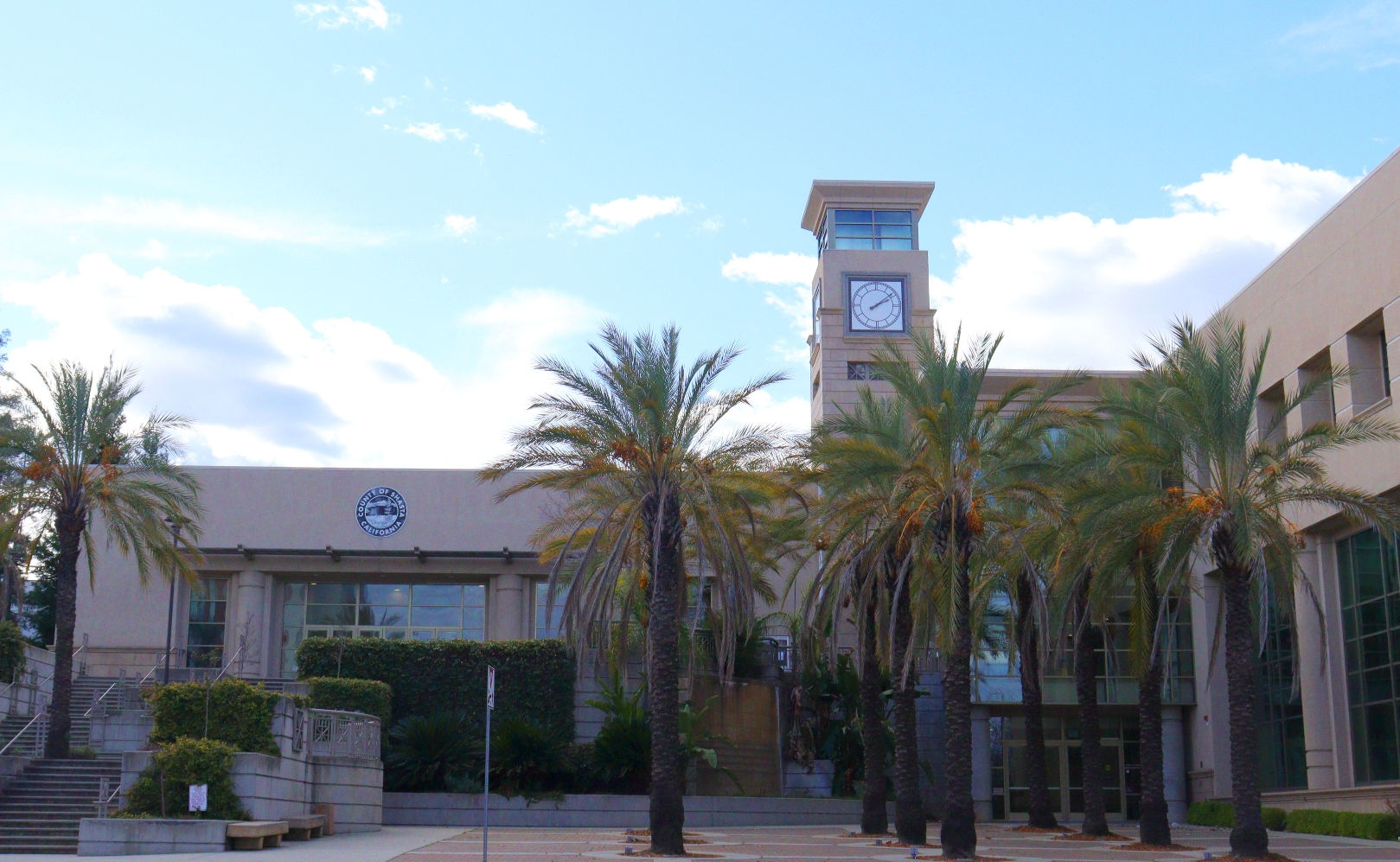

After California sued Shasta County to block a ballot measure that seeks to limit voting by mail and require voter photo IDs, the county Board of Supervisors on June 16 unanimously agreed to decline funding for a legal defense and to let the court battle play out.
Ballot Measure B, which passed in the June primary with 56 percent approval, would place heavy restrictions on mail-in ballots, mandate election staff to hand-count ballots, require voters to show government-issued photo identification to register to vote and to cast ballots, and establish a voter registration system for the county separate from the state’s voter rolls.
However, state officials argue that Shasta County’s election-related measure contradicts state election codes. California law currently requires that a vote-by-mail ballot be automatically sent to every active registered voter, that all votes be counted on a voting system reviewed and approved by the secretary of state, and that photo ID mandates for registration or voting be prohibited.
“[Measure B] now threatens to upend the entire elections system in a county with more than 116,000 registered voters just months before the November general election,” the Petition for Writ of Mandate states.
The lawsuit seeks immediate relief by Aug. 24 and asks the court to invalidate and permanently enjoin Measure B.
“Even if the County disagrees with state election laws, it may not enact or enforce its own laws” that contradict state laws, the lawsuit states.
Attorney General Rob Bonta and the state’s top elections official, Secretary of State Shirley Weber, filed the lawsuit in California’s Third District Court of Appeal on June 12.
In response, Shasta County’s supervisors heard from the public during a June 16 board meeting, where they ultimately voted 4–0 to refrain from providing or funding a defense counsel against the state’s lawsuit. This means proponents of the measure would have to hire their own outside attorneys to defend Measure B.
Richard Gallardo, election activist and one of the five “Real Parties in Interest” named in the lawsuit, referenced Huntington Beach’s efforts to petition the Supreme Court to allow local voter ID laws.
“Three times, the little city has petitioned the Supreme Court. I wonder how much that cost them,” Gallardo said at the board meeting. “Were they worried about money, or were they worried about their [expletive] rights of their people?”
He had urged the board to allocate public funds toward Shasta County’s legal challenge. But some other members of the public were critical of using taxpayer money to defend Measure B.
“Nobody’s preventing the proponents of Measure B from hiring counsel and arguing their position in a court of law,” former Shasta County Public Defender Jeff Gorder said at the meeting. “What would be wrong would be for this board to say we’re going to hire Mr. Haberbush at county expense to make the proponents’ case.”
Unless halted by the court, Measure B will take effect once Shasta County files the charter amendment with the secretary of state.
Election Staff Allegedly Copied Ballots
As California continues to process and count ballots from the June 2 primaries, the Shasta County Board of Supervisors revealed details surrounding an incident that allegedly occurred on June 4 at the county’s elections department.
“During a reconciliation of the early vote, which is a standard process following an election, discrepancies were found, suggesting that a small number of additional ballots may have been handed out to voters prior to election day by one employee,” the county wrote in a Facebook post.
Detailing the alleged chain of events, the county wrote that election staff locked documents and election materials in a cabinet until they could return and continue working on reconciliation.
“During the interim, those documents were removed by another employee, copied, given to the Clerk & Registrar of Voters, Clint Curtis, and securely locked in another employee’s office,” the county stated.
Officials added that the original ballots and election materials never left the Elections Department located at 1643 Market Street.
However, the county said copies of records given to Curtis could have contained sensitive voter information, including names, addresses, birthdates, phone numbers, signatures, and reasons provided by voters when requesting replacement ballots.
Shasta County said the incident has already been reported to the Secretary of State’s Office, which has jurisdiction over election-related investigations.
The majority of California voters cast ballots by mail or by dropping off completed ballots in specified return boxes. In Shasta County, roughly 90 percent of voters during the November 2025 special election mailed or dropped off their ballots, according to state data.
The state’s primary election results are expected to be certified on June 26.