Insomnia is a common problem, as approximately 10 percent of the adult population has it. People who sleep poorly and experience the chronic fatigue it brings know the detrimental effects it has on their daily lives, including reduced work productivity, troubled relationships, and low mood. Consequently, they long for a remedy that will work quickly.
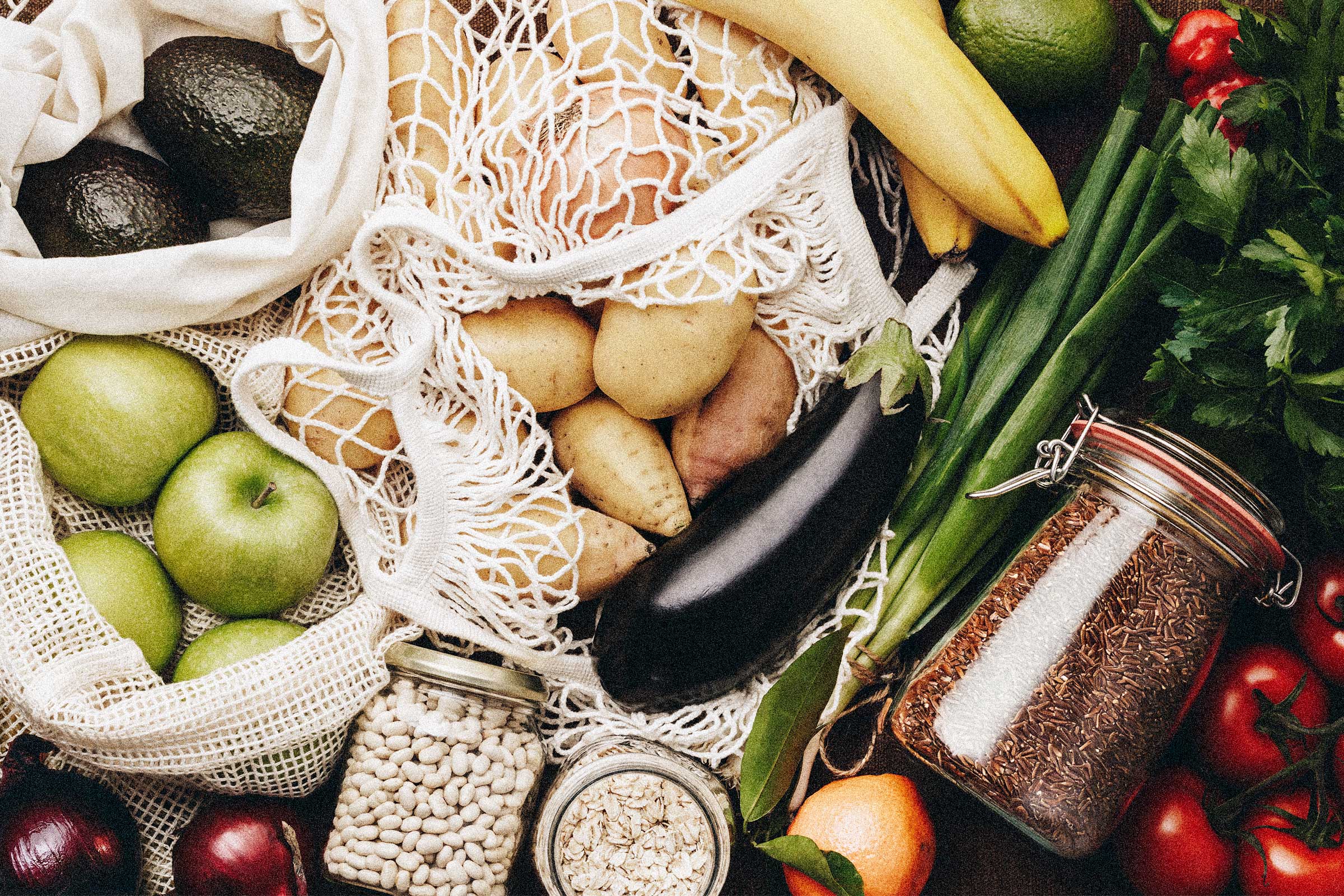
A recent clinical trial found an important tool for improving sleep that may have been previously overlooked—eating more fruits, vegetables, and whole grains. While earlier research has shown an association between eating these foods and quality sleep, the new study indicated a link between a day’s dietary choices and the quality of sleep that very night.
Diet Affects Sleep Quickly
In the clinical trial published in Sleep Health, U.S. researchers explored the influence of diet in adults who averaged between seven and nine hours of sleep per night. The participants reported their daily food consumption and wore a wrist monitor that permitted objective measurements of sleep quality.
The results showed that each day’s diet correlated with meaningful differences in that night’s rest. Eating more fruits, vegetables, and whole grains was linked to deeper, less interrupted sleep. Higher magnesium intake was associated with fewer sleep disruptions.
Eating the recommended five cups of fruits and vegetables per day resulted in 16 percent better sleep quality compared with eating none. For example, one cup of fruit is about equal to a medium orange, apple, or potato.
“Dietary modifications could be a new, natural and cost-effective approach to achieve better sleep,” co-senior author Dr. Esra Tasali, director of the UChicago Sleep Center, said in a statement. “Sixteen percent is a highly significant difference. It’s remarkable that such a meaningful change could be observed within less than 24 hours.”
The participants in the clinical trial slept well prior to the experiment. However, how would the dietary interventions work in people who have poor-quality sleep?
“Generally, when sleep is already good, it’s difficult to make it better. In this case, we saw improvements even in that context,” said corresponding author Marie-Pierre St-Onge, a professor of nutritional medicine at Columbia University Irving Medical Center in New York City.
Why Healthy Foods Improve Sleep
Researchers in the Sleep Health clinical trial offer the following hypotheses as possible mechanisms:
- Dietary carbohydrates foster increased uptake of the amino acid tryptophan in the brain, which boosts the synthesis of serotonin and the production of the sleep-inducing hormone melatonin.
- High glucose levels from carbohydrates reduce the activity of orexin nerve cells, which play a role in wakefulness, and increase the activity of melanin nerve cells, which help regulate rapid-eye movement sleep duration.
- Fruits and vegetables are rich in polyphenol antioxidants, which help increase melatonin levels and support overall sleep quality.
Additionally, fiber from whole grains aids with blood sugar regulation, preventing insulin spikes and crashes that could otherwise interfere with sleep, Dr. Maria Knobel, a general practice physician, told The Epoch Times in an email.
“Micronutrients like potassium and magnesium, which are abundant in fruits and vegetables, also aid in muscle relaxation and nervous system calmness, promoting a better night’s sleep,” she said.
Especially Helpful Fruits
While all fruits and vegetables promote sleep, the following may be especially helpful:
- Tomato: A study investigated the benefits of eating 250 grams of beefsteak tomatoes two hours before bedtime for eight weeks in obese postmenopausal women. The intervention improved sleep quality scores and increased a metabolite of melatonin in the urine 10 times higher than in the control group. The authors concluded that eating beefsteak tomatoes before bedtime may raise melatonin levels and improve sleep in this population.
- Kiwi: A study tested the effects of eating two kiwi fruits one hour before bedtime for four weeks. The intervention reduced wakefulness after going to sleep, decreased the time required to fall asleep, and improved total sleep time. The authors concluded that eating kiwis may enhance sleep onset, duration, and efficiency in adults who self-report sleep problems.
- Tart cherry juice: A clinical trial assessed the effects of drinking tart cherry juice nightly for two weeks in people older than 50 with insomnia. The intervention increased tryptophan availability, reduced inflammation, and improved insomnia symptoms, the authors noted.
How to Get 5 Cups per Day
“Enjoying a variety of fruits, vegetables, and whole grains is a simple way to support overall health and rest,” Vandana Sheth, a registered dietitian and plant-based diet author, told The Epoch Times in an email.
To show how simple it can be to get at least five servings of fruits and vegetables per day, she offers the following sample three-day dietary plan.
Day 1
Breakfast: Plain Greek yogurt with blueberries, strawberries, and a sprinkle of chopped walnuts
Lunch: Whole grain wrap with hummus, mixed greens, shredded carrots, and sliced cucumbers (Optional—add your choice of protein inside this wrap)
Snack: Apple slices with almond butter
Dinner: Tomato basil soup with baked salmon and asparagus
Day 2
Breakfast: Oatmeal made with unsweetened soy milk, topped with sliced banana and cinnamon
Lunch: Brown rice bowl with tofu, sautéed spinach, bell peppers, and a dash of tamari
Snack: Handful of cherry tomatoes or a small orange
Dinner: Black bean and sweet potato chili served with a side of corn and avocado salad
Day 3
Breakfast: Whole grain toast with mashed avocado and tomato slices
Lunch: Mediterranean quinoa bowl with chickpeas or chicken, cherry tomatoes, cucumbers, olives, arugula, and a lemon-olive oil vinaigrette
Snack: Fresh pear
Dinner: Stir-fried vegetables (zucchinis, mushrooms, snap peas) with soba noodles and grilled shrimp or tempeh