Walk into any gym, and you’ll often see people with impressive physiques who move stiffly and awkwardly. Yet on the other end of the spectrum, some yoga practitioners with decades of experience can bend effortlessly into advanced poses while still battling chronic low-back pain.
What explains this paradox?
According to Dragon Cheng, founder of the health education organization Intelligence of Body and a spine health coach, the answer often lies in a little-understood tissue that connects the entire body: fascia.
Speaking on the program “Health 1+1” on NTD, a sister outlet of The Epoch Times, Cheng said many common complaints—including stiffness, soreness, limited mobility, and chronic pain—can be traced back to dysfunction in the body’s fascial network.
Fascia: The Body’s Hidden Support System
“Take a look at a pig’s trotter or chicken leg,” Cheng said. “If you peel back the skin, you’ll see a thin white membrane—that’s fascia.”
Different tissues have their own membranes—bones have periosteum, tendons have sheaths, muscles have myofascia, and nerves have protective coverings—but fascia is one continuous, interconnected system throughout the body.
You can think of it as a web, similar to the fibrous network of a dried loofah or the membranes between orange segments, wrapping and supporting every organ and tissue. When fascia in one area becomes tight or misaligned, it can affect the entire network.
This helps explain why knee pain, shoulder discomfort, or lower-back problems may not originate where the pain is felt. The underlying issue may be an imbalance elsewhere in the fascial network.
The Balance Between Strength and Flexibility
Healthy fascia depends on a balance between mobility and stability.
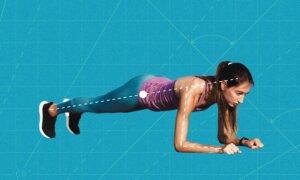
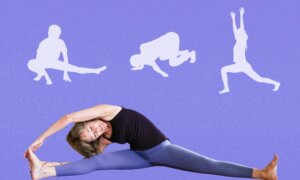
People who focus heavily on strength training may develop excellent joint stability but lack mobility, while longtime yoga practitioners may have great mobility but insufficient stability, Cheng said.
Another major factor is prolonged sitting, which is one of the leading causes of stiff, dehydrated fascia. Spending hours hunched over a phone or desk reduces movement, leading to a loss of fascial lubrication and elasticity and potentially triggering inflammation.
Fascia May Also Influence How You Feel
Fascia isn’t just about physical function—it’s also closely tied to our emotional state.
Studies suggest that fascia contains more than 250 million nerve endings, making it one of the body’s most sensory-rich tissues. Cheng even describes fascia as an “emotional organ.”
Your posture may affect not only how you move but also how you feel.
For example, slumping forward with your head resting in your hand can evoke feelings of fatigue, sadness, or isolation. By contrast, standing tall in a strong posture—such as the warrior pose in yoga—can create a greater sense of confidence and vitality.
3 Quick Tests to Feel Fascia
To get a feel for how fascial tension affects the body, you can try the following three simple tests.
1. Breathing Test
When you deliberately collapse your posture by slouching or hunching over, you’ll likely notice that deep breathing feels restricted and uncomfortable, with a sense of tightness in the chest. However, if you imagine yourself “being measured for height,” gently lengthening upward through your spine, your breathing immediately becomes easier and more natural.
“Good breathing is good posture,” Cheng said.
2. Mobility Test
In a collapsed posture, turning your head or rotating your body feels noticeably limited, often accompanied by stiffness or a catching sensation. In contrast, when you maintain that same upward, lengthened tension, your joints can feel as if they’re floating within the fascial network. Your range of motion improves instantly, without compressing the facet joints.
3. Push Test
When your posture is collapsed, even a light push from someone else can make you wobble or lose balance. When you imagine yourself “standing tall between heaven and earth,” your body becomes stable and grounded, even without consciously bracing or resisting. This highlights the crucial role of the fascial tension network in maintaining stability.
A 1-Minute Exercise to Loosen a Stiff Back
Many people suffer from tightness in the lower back and morning stiffness. The root cause is often poor fascia mobility in the back.
Cheng recommends a simple yet highly effective technique called the “fascia strong back exercise” or the “roll down, roll up” movement. This exercise not only stretches the back but also helps restore dysfunctional fascia by stimulating proprioception (body awareness).
Steps
Follow these three simple steps to release tension in your back and improve fascial mobility in just one minute.
1. Roll Down: Push your hips backward and slowly lower your body segment by segment, like a rolling scroll. Let your head hang completely relaxed toward the floor. Keep your back relaxed and do not force the movement. Focus on feeling your entire back, especially your lower back, gently lengthening and opening.
2. Shift Your Center of Gravity: As you roll down, intentionally shift your weight forward onto the balls of your feet, allowing your heels to slightly lift off the ground. This slight imbalance effectively stimulates your sensory system and proprioceptive nerves.
3. Roll Up: With your knees softly bent, slowly roll back up one segment at a time—starting from the lower back, then moving through the lumbar, the thoracic spine, and finally the upper body. Your head should be the last to return to an upright position.
Cheng performs the roll down, roll up every morning upon waking because poor fascia gliding in the back is a major cause of soreness and stiffness. He said this “effortless” release, combined with gentle imbalance training, effectively restores the health of the lower back fascia.
Fascial stiffness and pain are often closely linked to prolonged sitting.
For sedentary groups such as long-haul drivers and office workers, prolonged “hip flexion” (shortening the distance between the hip and the waist) can lead to imbalances in tension, Chen said. He recommended that people who drive or work at a desk for long periods perform relaxing movements, such as lunge stretches, back extensions, and shoulder openers, whenever they stop at a rest area or during work breaks.
Massaging Too Hard Can Damage Fascia
Many people instinctively turn to massage when they feel sore, but using the wrong method can make the fascia even tighter. Some prefer therapists with heavy pressure, believing that “it only works if it hurts.” As a former chiropractor, Cheng cautions that overly aggressive massage can backfire.
When fascia is subjected to excessive force that risks tearing, it responds with “protective thickening,” becoming stiffer as a defense mechanism, he said. The result is a vicious cycle: Pressure keeps increasing, while the benefits steadily diminish.
The essence of massage should be to rehydrate the fascia and promote the circulation of qi (vital energy) and blood—not to chase pain, Cheng said. He recommends using a smooth-surfaced foam roller for gentle rolling pressure rather than spiky or ridged “wolf tooth” rollers, which can create excessive stress on the fascia.
Strong muscles and exceptional flexibility are only part of the equation for healthy movement. Equally important is the health of the fascial network that connects and supports the entire body.
By improving posture, moving regularly, avoiding prolonged sitting, and using gentle techniques to maintain fascial mobility, many people may reduce stiffness, move more freely, and prevent chronic aches before they start.