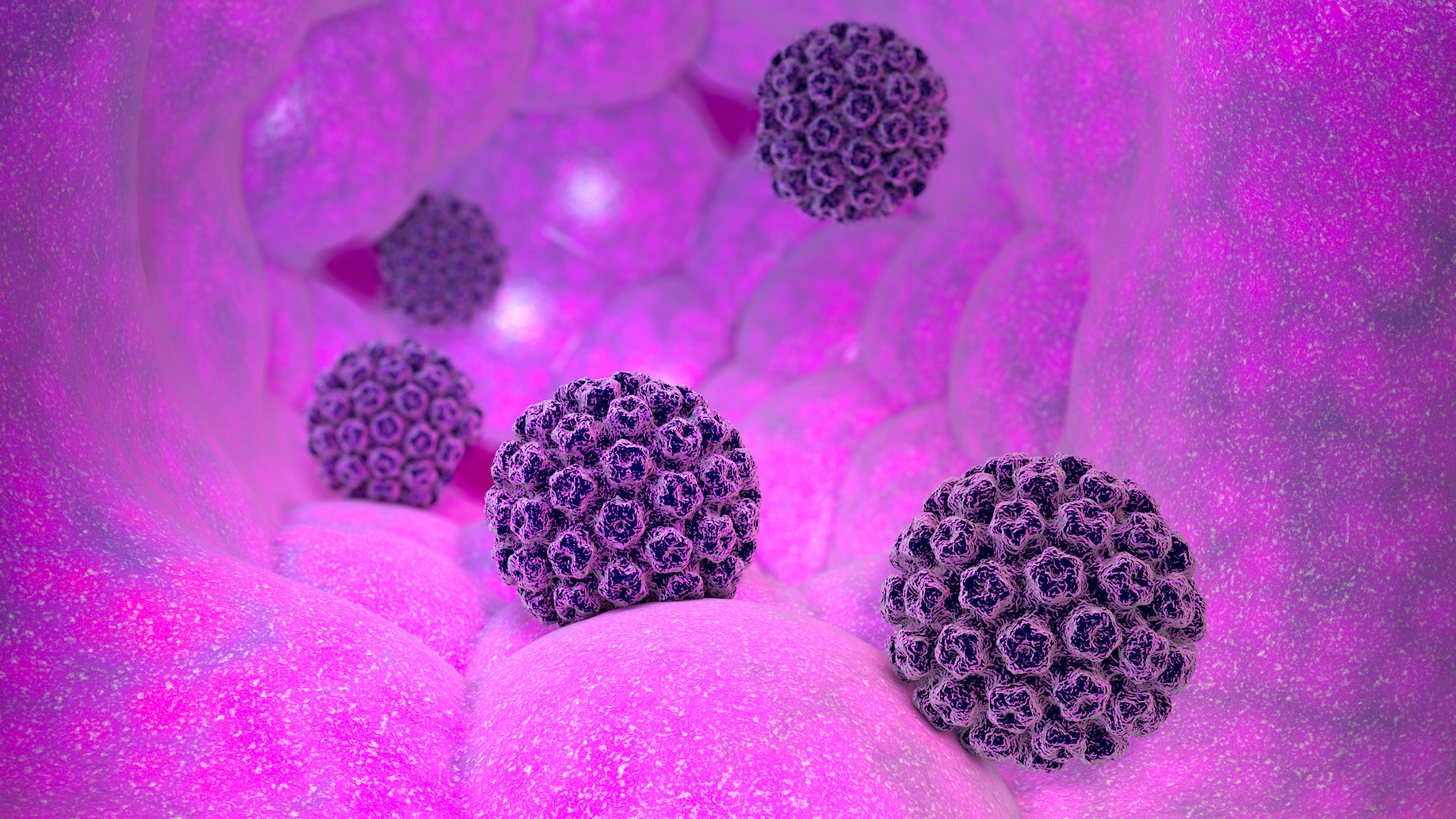

A virus can cause skin cancer, scientists with the National Institutes of Health (NIH) said in new research published on July 30.
A type of human papillomavirus (HPV) that is commonly found on the skin can cause skin cancer, the scientists said in a report published by The New England Journal of Medicine.
The case study focused on a 34-year-old woman in a weakened state due to various health problems. She went to the NIH Clinical Center for treatment of recurrent cutaneous squamous cell carcinoma (cSCC), a type of skin cancer, on her forehead.
The tumor had grown back despite multiple surgeries and a round of immunotherapy.
NIH researchers analyzed the case and determined that a type of HPV had integrated into the DNA of the woman’s tumor and was producing proteins there, contradicting the theory that the HPV type helps develop, but is not a cause of, the skin cancer, according to the NIH.
Genetic analysis of the cells showed they could repair DNA damage from UV radiation, suggesting the virus alone caused the cancer, researchers said.
The woman had an inherited immune disorder. Genetic mutations were preventing her cells from battling the skin-cell infection from the virus, indicating that the disorder could be the culprit for the virus-related diseases from which she was suffering, such as the skin cancer.
A stem cell transplant aimed at replacing the woman’s defective cells with healthy ones was successful, and she has been free of cSCC as well as other virus-related diseases for more than three years.
The findings indicate that other people with weakened immune systems due to inadequate cell responses may also contract cancer from the HPV type, beta-HPV, the scientists said.
“This discovery could completely change how we think about the development, and consequently the treatment, of cSCC in people who have a health condition that compromises immune function,” Dr. Andrea Lisco, a researcher with the NIH’s National Institute of Allergy and Infectious Diseases who worked on the case, said in a statement. “It suggests that there may be more people out there with aggressive forms of cSCC who have an underlying immune defect and could benefit from treatments targeting the immune system.”
More than 200 HPV types, exhibiting different genomic sequences, have been identified. About 13 HPV types can cause cervical cancer, according to the International Agency for Research on Cancer.
HPV vaccination is recommended by the Centers for Disease Control and Prevention beginning at 9 years of age to prevent cervical cancer.