Natural TCM Remedies to Smooth Wrinkles Around the Eyes and Mouth
Comments
Link successfully copied
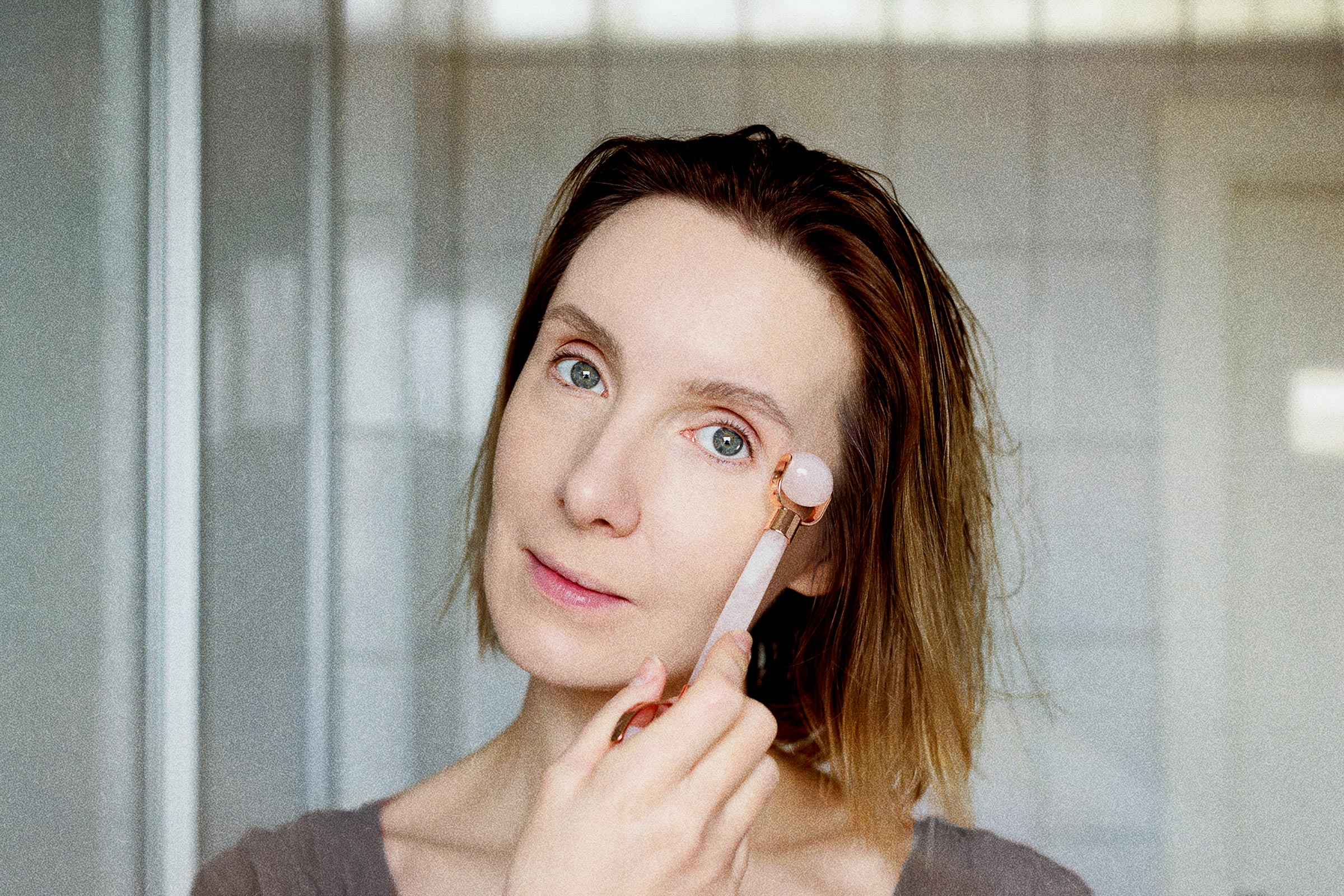
(svitlini/Shutterstock)
By Ellen Wan
6/18/2025Updated: 7/8/2025

As we age, the skin gradually loses its firmness. In traditional Chinese medicine (TCM), facial acupressure is commonly used to stimulate microcirculation in the face, which can help reduce crow’s feet, nasolabial folds, and under-eye bags. When combined with dietary therapy, the results may be even more noticeable.

One of the easiest ways to support skin health through TCM is facial massage, which targets key acupoints to improve circulation and firmness.

Massage Techniques for Reducing Wrinkles


According to TCM, meridians are channels through which energy flows in the human body. Along the meridians are specific points known as acupoints, which correspond to various parts of the body.

Studies have shown that stimulating facial acupoints—through methods such as needle-knife therapy or thread embedding—may help reduce the appearance of wrinkles. TCM practitioners also emphasize that regularly massaging these acupoints while applying skincare products can be beneficial, especially when practiced consistently over time.

Reducing Under-Eye Bags and Crow’s Feet


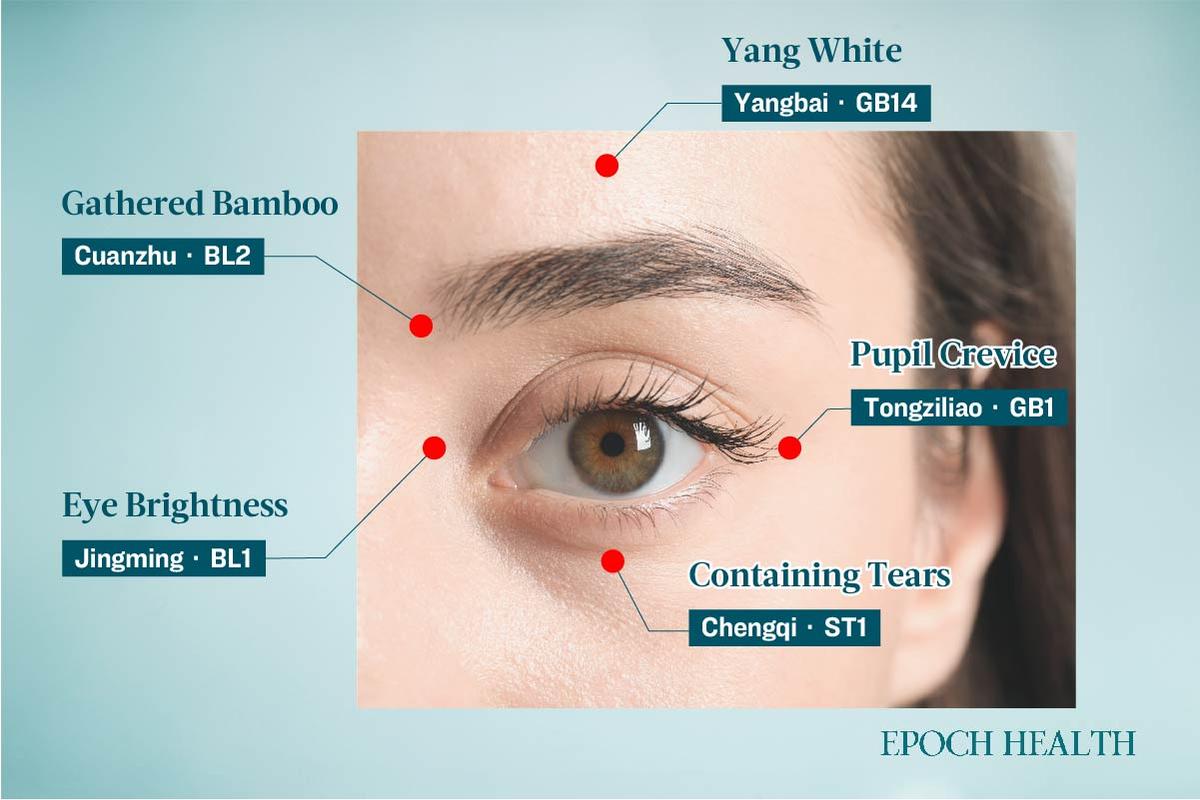
Naiwen Hu, a TCM practitioner from Taiwan, stated that regularly massaging acupoints around the eyes can help reduce under-eye bags and crow’s feet, while also enhancing the brightness and alertness of the eyes. The key acupoints include:

  • Cuanzhu (BL2): Located in the depression at the inner edge of the eyebrows

  • Yangbai (GB14): Located directly above the center of the pupil, approximately one inch above the eyebrow

  • Tongziliao (GB1): Located at the outer corner of the eye, in the depression where the eye meets the orbital bone

  • Jingming (BL1): Located just above the inner corner of the eye, in a small depression along the orbital bone

  • Chengqi (ST1): Located directly below the pupil, in the depression of the orbital bone
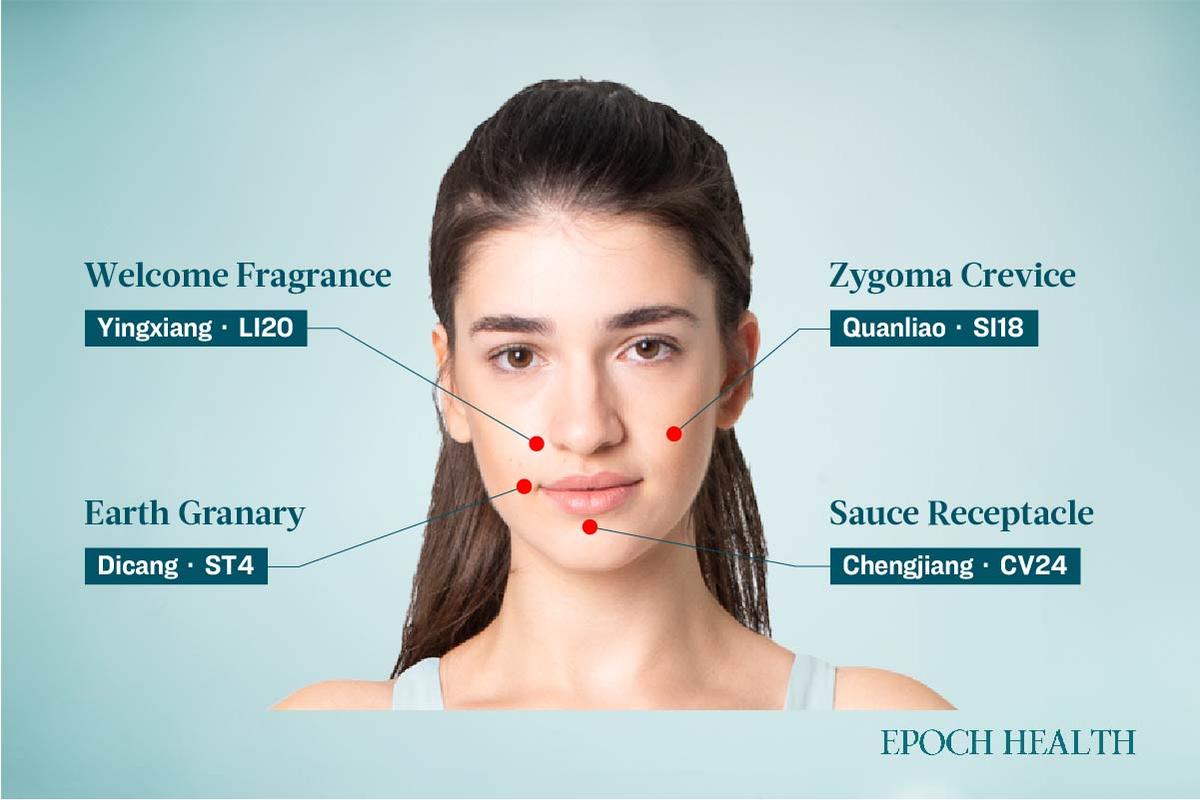

Key acupoints for reducing under-eye bags and crow’s feet. (The Epoch Times)

Key acupoints for reducing under-eye bags and crow’s feet. (The Epoch Times)

Instructions:

You can massage each acupoint individually using your fingers, or stimulate all five acupoints simultaneously. In either case, apply pressure to each acupoint 21 times. For simultaneous stimulation, use all five fingers as follows:


  • Thumb on chengqi

  • Little finger on jingming

  • Ring finger on cuanzhu

  • Middle finger on yangbai

  • Index finger on tongziliao


Jingduan Yang, CEO of the Northern Medical Center in New York, stated in an interview with The Epoch Times that applying pressure to the taiyang acupoint can promote blood circulation around the eyes and help tighten the surrounding skin.
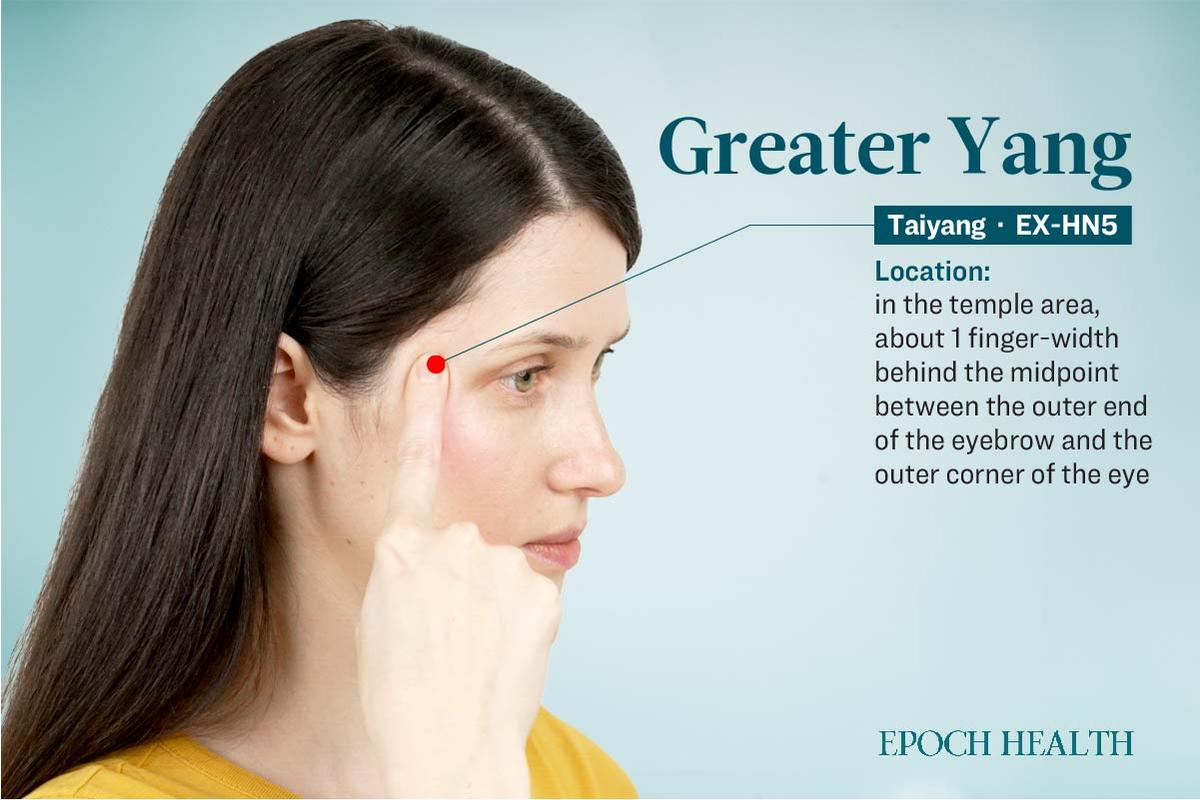
Location of the taiyang acupoint. (The Epoch Times)

Location of the taiyang acupoint. (The Epoch Times)


Reducing Nasolabial Folds


Regularly massaging the yingxiang and chengjiang acupoints can help reduce the appearance of nasolabial folds, Yang said.
Yingxiang (LI20): Located beside the midpoint of the outer edge of the nostrils, at the point where the nasolabial fold intersects. Massaging this acupoint can promote facial blood circulation and improve skin firmness.

Chengjiang (CV24): Located in the depression just below the center of the lower lip. Stimulating this acupoint helps lift the jawline and prevents sagging at the corners of the mouth.

Instructions:

Using your fingers, press on the yingxiang and chengjiang acupoints daily. Apply circular pressure: 9 rotations clockwise, followed by 6 counterclockwise. Repeat this cycle 3 times.

Hu also shared a method involving the simultaneous stimulation of four acupoints to help reduce nasolabial folds. In addition to yingxiang and chengjiang, the technique also targets:

Dicang (ST4): Located where a vertical line from the center of the pupil meets a horizontal line from the corner of the mouth when looking straight ahead

Quanliao (SI18): Located directly below the outer corner of the eye, in the depression beneath the cheekbone

Key acupoints for reducing nasolabial folds. (The Epoch Times)

Key acupoints for reducing nasolabial folds. (The Epoch Times)

Instructions:

The yingxiang, dicang, and quanliao acupoints are symmetrically positioned on both sides of the face. To perform the massage, use your right hand to target the acupoints on the right side: place your thumb on chengjiang, index finger on dicang, ring finger on yingxiang, and middle finger on quanliao. Simultaneously, use your left hand to press the corresponding acupoints on the left side of the face. Massage all acupoints 21 times.

When massaging each acupoint individually with your fingers, aim for precise alignment to achieve the best results. When using all 10 fingers to press simultaneously, accuracy may be slightly reduced; however, the technique remains effective as long as the general positioning is correct.

Performing this massage during or after applying a facial mask may further enhance the skin’s absorption of active ingredients in skincare products.

Lifting the Jawline and Facial Contours


Performing just two facial lifting movements for 30 seconds each day can help firm the skin and enhance facial contours, Yang said.

Step 1

(Courtesy: siweijiankang/YouTube)

Step 2:

(Courtesy: siweijiankang/YouTube)

Antiaging Foods


In addition to massage, choosing the right foods is essential for delaying skin sagging, Yang noted. TCM holds that food and medicine share the same origin—meaning many ingredients used in cooking also serve medicinal purposes.

Certain traditional ingredients, used and validated over thousands of years, are known to nourish the body from within and provide the skin with essential nutrients:

Goji Berries


Goji berries are highly valued in Chinese medicine for their nourishing properties and are often referred to as the “fruit of longevity.” They are rich in bioactive compounds, including carotenoids, flavonoids, and polysaccharides.

A 2019 study showed that diets high in carotenoids offer photoprotective benefits, which help prevent sun damage, improve skin elasticity and hydration, and reduce the appearance of wrinkles and age spots.

Goji berries can be eaten on their own or added to soups and porridges.

Recipe: Yam and Goji Berry Congee


This medicinal congee can help support skin health and promote a clearer, more vibrant complexion.

Ingredients:


  • 100 grams short-grain rice

  • 50 grams fresh Chinese yam

  • 15 grams goji berries

  • 10 grams rock sugar


Instructions:

  1. Rinse the rice thoroughly and soak it in cold water for 30 minutes.

  2. Peel and wash the fresh yam, then dice it into small cubes. Soak the goji berries in warm water and set aside.

  3. In a pot, add 1,500 milliliters of water and bring to a boil. Add the soaked rice, stirring every few minutes to prevent sticking.

  4. Once boiling, add the yam and reduce to low heat. Simmer for about 1 hour, until the congee thickens.

  5. Add the rock sugar and soaked goji berries. Continue to simmer for another 10 minutes, then remove from heat.


Red Dates (Jujube)


Red dates are not only naturally sweet but have also been used in TCM for over 2,000 years as a key ingredient for skin nourishment and antiaging.

A 2024 review indicated that red dates contain a range of bioactive compounds, including polysaccharides and polyphenols. Polyphenols, in particular, help protect the skin against oxidative damage caused by reactive oxygen species—unstable molecules produced in the body in response to factors like sunlight, pollution, and stress that can harm skin and speed up aging.

Recipe: Red Date, Longan, and Goji Berry Tea


This nourishing tea helps brighten dull or sallow skin, supporting a healthier and more radiant complexion.

Ingredients:


  • 5 red dates

  • 5 dried longans

  • 10 grams goji berries


Instructions:

  1. Rinse all ingredients thoroughly.

  2. Place in a pot with 500 milliliters of water.

  3. Bring to a boil, then reduce to low heat and simmer for 15 minutes.


Ginseng


Since ancient times, ginseng has been used as a powerful tonic to replenish qi or “vital energy,” which helps enhance physical strength, boost immunity, slow the aging process, and improve skin elasticity.

A randomized, double-blind, placebo-controlled study published in the Journal of Ginseng Research found that enzyme-treated red ginseng extract significantly reduced wrinkles around the eyes and increased skin elasticity and moisture levels in participants.

Kuo-Pin Wu, superintendent of Taiwan’s XinYiTang TCM Clinic, stated that ginseng can be boiled on its own or stewed with other ingredients as part of a nourishing recipe.

Recipe: Ginseng Chicken Soup


This simple dish can help reduce water retention and promote skin health.

Servings: 2 to 3

Ingredients:


  • 1 spring chicken

  • 5 grams sliced ginseng

  • A pinch of salt


Instructions:

  1. Place the chicken and sliced ginseng into a pot with 1,000 milliliters of water.

  2. Simmer for about 1 hour, until the chicken is fully cooked and tender.

  3. Season with a small amount of salt. Serve both the soup and chicken together.


Wu emphasized that ginseng should not be consumed in large quantities at once. In general, daily intake should not exceed 10 grams. This is particularly important for people with strong constitutions, as excessive intake may lead to internal heat or imbalance.

Proper hydration is also essential—drinking adequate water helps maintain skin hydration and promote a healthy complexion.

Factors Contributing to Skin Sagging


In addition to maintaining proper skincare and nutrition, it is essential to avoid everyday habits that may accelerate skin sagging. Sagging skin results from a combination of contributing factors, said Yang:

Collagen Loss


Exposure to ultraviolet radiation, a high-sugar diet, chronic stress, and insufficient sleep can all accelerate collagen breakdown, leading to a loss of skin elasticity.

Damaged Skin Barrier


Improper skincare practices—such as over-exfoliation or frequent cosmetic treatments—can compromise the skin’s natural barrier, making it more vulnerable to irritation, dryness, and premature aging.

Muscle Loss


As we age, facial muscles responsible for lifting and supporting facial contours—such as the zygomaticus, buccinator, and jaw muscles—gradually lose tone. This may lead to sagging in the cheeks and a deepening of nasolabial folds.

Prolonged downward head posture from screen use and a lack of facial movement can also weaken these muscles and diminish facial definition.

Bone Resorption


After the age of 40, bone density in the maxilla (upper jaw) and mandible (lower jaw) declines significantly, contributing to facial sagging. Inadequate vitamin D or calcium intake, along with reduced chewing activity, can further accelerate bone loss.

Common Misconceptions About Antiaging


Some people put significant effort into antiaging routines, yet continue to experience skin sagging. One common misconception, Yang noted, is the belief that topical skincare products alone can firm the skin. In reality, most skincare products offer only short-term nourishment; long-term skin firmness relies on the body’s internal repair and regeneration processes.

Others may opt for cosmetic procedures but neglect the basics of daily care. However, the benefits of aesthetic treatments are difficult to maintain without proper nutrition, regular exercise, and consistent skincare practices.

True beauty goes beyond outward appearance—it reflects harmony between inner and outer well-being. Lasting skin health requires a holistic approach that includes emotional regulation, energy balance, and sufficient nutritional support.

Share This Article:
Ellen Wan
Author
Ellen Wan has worked for the Japanese edition of The Epoch Times since 2007.

©2023-2025 California Insider All Rights Reserved. California Insider is a part of Epoch Media Group.