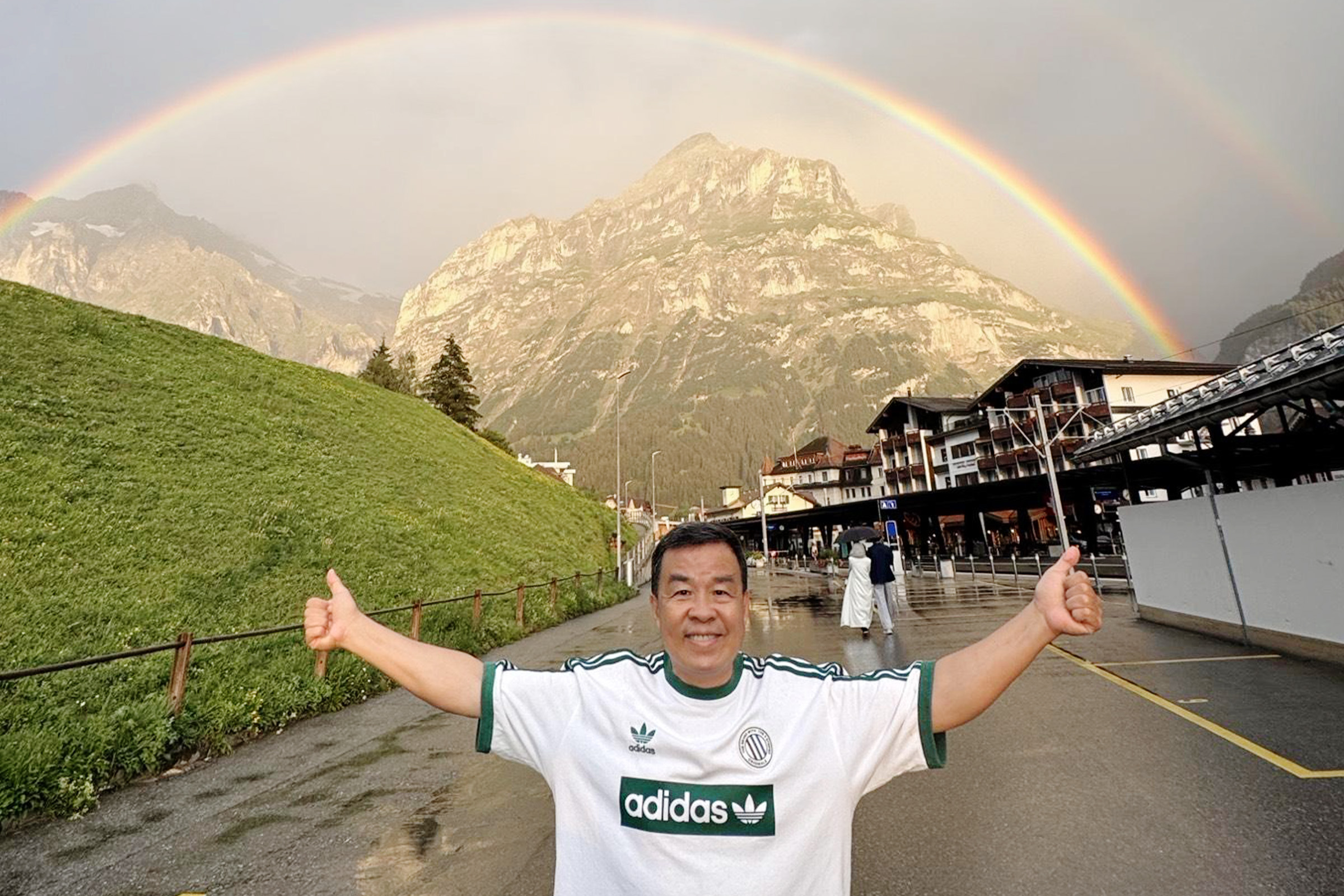
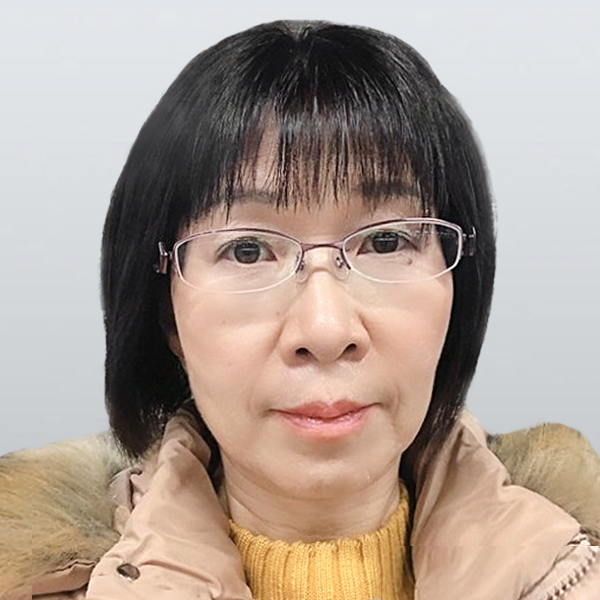
“We’re getting older now. We’re no longer chasing fleeting moments of pleasure; we’re looking for lasting happiness and a sense of ease,” Wu Hung-chien, a traditional Chinese medicine (TCM) doctor in his 60s, told The Epoch Times.
For Wu, healthy aging is about more than preventing high blood pressure, high blood sugar, high cholesterol, or muscle loss. It also means slowing down, savoring everyday moments, and making room for a calmer pace of life.
Wu, director of E Sheng Chinese Medicine Clinic, has gradually adjusted his diet, exercise, and sleep habits. He has also cut back on work and social obligations to devote more time to his health, his family, and himself. He says his health screening results remain within normal ranges and that he has not noticed difficulty focusing on nearby objects, a common age-related change known as presbyopia.
Eat 5 Colors to Nourish the 5 Organs
More than 20 years ago, Wu ate like many people with full-time jobs—convenience came first. He often grabbed a hamburger with fries or other fried foods.
“But I noticed that whenever I ate something with a high glycemic index [a carbohydrate-containing food that quickly and sharply raises blood sugar levels] for breakfast, by the time I got to the clinic, I would be taking a patient’s pulse and almost falling asleep,” he recalls.
In his practice, Wu noticed that some patients with kidney disease who recovered particularly well had made a concerted effort to eliminate processed foods from their diets. Inspired by these observations, he and his family have gradually cut back on processed foods in recent years and shifted toward more whole, minimally processed foods.
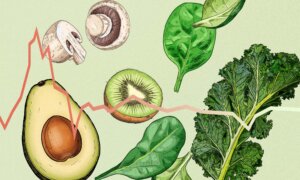
He has incorporated the TCM concept of eating five colors—green, red, yellow, white, and black—into his diet, making a point of including foods of different colors to add variety and nutritional balance to his meals.
In TCM, foods are grouped by five colors, each associated with support for one of the body’s five major organs.
Green for the Liver: Avocados and leafy green vegetables.
Red for the Heart: Carrots and other red-colored foods.
Yellow for the Spleen: Pumpkin and yellow sweet potatoes.
White for the Lungs: Potatoes and Chinese yam.
Black for the Kidneys: Black sesame seeds, blueberries, and grapes.
Wu and his wife have developed what they call a “five-element breakfast,” centered on colorful root vegetables and complemented by one or two eggs, yogurt or nuts, and seasonal fruit. They also adjust the balance of colors in their meals by season, following TCM principles.
Prevent Metabolic Disease and Muscle Loss
Because Wu’s father had high blood pressure and developed slightly elevated blood sugar after age 90, and his mother had both high blood pressure and high cholesterol, he pays particular attention to prevention. In addition to limiting processed foods, he follows the principles of the Mediterranean diet, choosing healthier oils such as olive oil and camellia seed oil, while keeping his intake of oil, salt, and sugar to a minimum.
He also tries to eat his three meals at regular times and in moderate portions, avoiding irregular eating patterns or overeating that could disrupt his digestive and metabolic rhythms.
Now that he’s in his 60s, his blood pressure, blood sugar, and cholesterol levels remain within the normal range.
Beyond preventing metabolic disease, he places even greater emphasis on getting enough protein. “As we get older, we need to make sure we’re getting enough protein so we don’t lose muscle,” he said.
His lunches and dinners typically consist of multigrain rice paired with a variety of vegetables and protein sources such as salmon, chicken, or pork. He recommends that people in their 50s and 60s eat about one to one and a half palm-sized portions of protein at each meal, along with one bowl of vegetables and half to one bowl of whole grains.
As for beverages, Wu rarely drinks commercial fruit juices or milk tea. He mainly chooses plain boiled water, tea he brews himself, and lightly roasted black coffee. Occasionally, he enjoys lemon honey water prepared by his daughter.
Maintain Strength and Mobility
When he was younger, Wu loved sports. He served as captain of basketball, volleyball, and softball teams and also swam regularly. Now in his 60s, however, his approach to exercise has gradually changed. Rather than pursuing high-intensity workouts, he focuses on maintaining lower-body strength, endurance, and balance—abilities he sees as essential to staying mobile and independent in old age.
“As we get older, if you can no longer walk with ease, life becomes very difficult,” he said. “You have to depend on other people.”
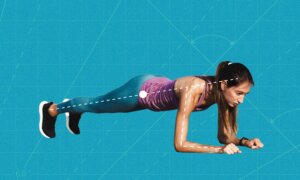
His method is simple: he uses small pockets of time throughout the day—for example, brisk walking when traveling between the school and the clinic. When the clinic has fewer patients, he does a few sets of squats, calf raises, or very slow jogging in place.
Brisk walking and slow jogging help build endurance, while squats and calf raises strengthen the lower body, he said. “These exercises don’t require much space or a lot of time.”
Wu has also designed a “space-walk jog” that trains both muscle strength and balance.
Step 1: Stand upright with your right foot forward and your left foot back, keeping your feet staggered.
Step 2: Rise onto your toes and lean forward. Keeping both feet in place, first lift your right heel while keeping your toes on the ground, then lift your left heel while keeping your toes on the ground. Lean slightly forward while naturally swinging your left arm forward and your right arm backward.
Step 3: As both heels return to the ground, lift your toes. At the same time, raise your right arm and swing your left arm backward.
After five minutes, switch the front and back foot positions and repeat the same sequence for another five minutes. Once the movement becomes familiar, hold a light dumbbell in each hand to add resistance and increase the training effect.
The repeated contraction of the calf and thigh muscles, together with the alternating rise and fall of the toes and heels, stimulates the six meridians (energy pathways) of the feet, promoting energy flow and blood circulation, Wu said.
Research has found that combining different types of exercise can improve muscle strength and balance in older adults and help prevent falls.
Quiet the Mind Before Bed
In addition to diet and exercise, regular sleep is vital for middle-aged and older people, especially for managing blood pressure, blood sugar, and cholesterol, Wu said.
TCM advocates the concept of “midnight-noon sleep,” which emphasizes getting adequate sleep at night while also encouraging appropriate midday rest to support the body’s recovery. Wu tries to go to bed before 11 p.m. However, because he sometimes sees patients in the evening, his bedtime may occasionally slip past 11, but he rarely stays up past midnight. His goal is to get at least seven hours of sleep every day.
Wu also has a simple ritual to help him unwind before bed: gratitude. Before falling asleep, he takes a moment to appreciate the people and things around him. This practice quiets his mind and helps him drift off to sleep more easily.
Practice Gratitude and Savor the Present
Gratitude is not limited to bedtime. At every meal, Wu eats with a grateful heart—thanking his parents for raising him, his wife for preparing the food, his children for their thoughtfulness, the farmers who grew the produce, and his own hard work that enables the family to enjoy the meal. Reflecting on these blessings sometimes moves him to tears.
He eats slowly, chews thoroughly, and focuses on the taste and texture of each bite to fully enjoy the present moment.
This mindset extends into daily life. When misunderstandings arise with family or friends, he takes the initiative to communicate and resolve what he can. If he has done his best and the situation still cannot be changed, he tries to let it go with a grateful heart rather than allowing negative emotions to linger.
A grateful attitude may even contribute to longevity. A study published in JAMA Psychiatry involving nearly 50,000 older U.S. female nurses found that the group with the highest levels of gratitude had a 9 percent lower risk of all-cause mortality and a 15 percent lower risk of cardiovascular death compared with the group with the lowest levels of gratitude.
Slow Down
As he has grown older, Wu’s interests have gradually begun to slow down as well. When he was younger, he gravitated toward lively, fast-paced activities. He also played sports and went to the movies, and he was once the lead singer of a band and enjoyed rock and pop music.
As he began paying more attention to healthy aging, however, his interests gradually shifted toward reading, audiobooks, and more soothing forms of music.
In recent years, listening to audiobooks has become one of his favorite pastimes. “A book condenses the author’s years of experience into one place,” he said. “You can spend just a day or two and gain so much from what someone else has learned.”
His love of music remains as strong as ever, but his taste has evolved—from rock to the gentle melodies of French “chanson,” a traditional and poetic style of vocal music, and classical piano. At times, he also watches music videos paired with nature scenes, letting the quiet rhythms and peaceful landscapes help him relax.
Simplify Your Life
As he has grown older, Wu has begun to rethink his priorities and resist the urge to fill every hour of the day.
In recent years, he has turned down speaking engagements, stepped away from positions as a medical association board member and institutional adviser, and largely stopped accepting dinner invitations. He has kept only the work he genuinely enjoys: seeing patients.
“Once I got rid of all those extra responsibilities, I could focus on caring for my patients,” he said. “The rest of the time is for my family—and I have plenty of time for myself.”
He has also become more intentional about reducing the mental drain caused by screens and the constant flow of information, saving his attention for the people and things that truly matter. He spends no more than an hour a day on his phone, mainly using it to listen to audiobooks and music, and he rarely watches television. “Political talk shows are just people arguing all day, so I stopped watching them a long time ago,” he said.
With more time on his hands, Wu enjoys traveling with his family and has also come to appreciate solitude. “I’ve learned how to be alone,” he said. “Even when I don’t have friends or family around, I can listen to a podcast or an audiobook, read a book, and still feel completely comfortable and content.”
Now that he is in his 60s, Wu values something different from what he once pursued: not filling his life with more, but having a body that allows him to walk freely, a calm mind, and time he can truly call his own.
“Once you practice these healthy habits consistently, the sense of inner peace you gain is incredibly powerful.”