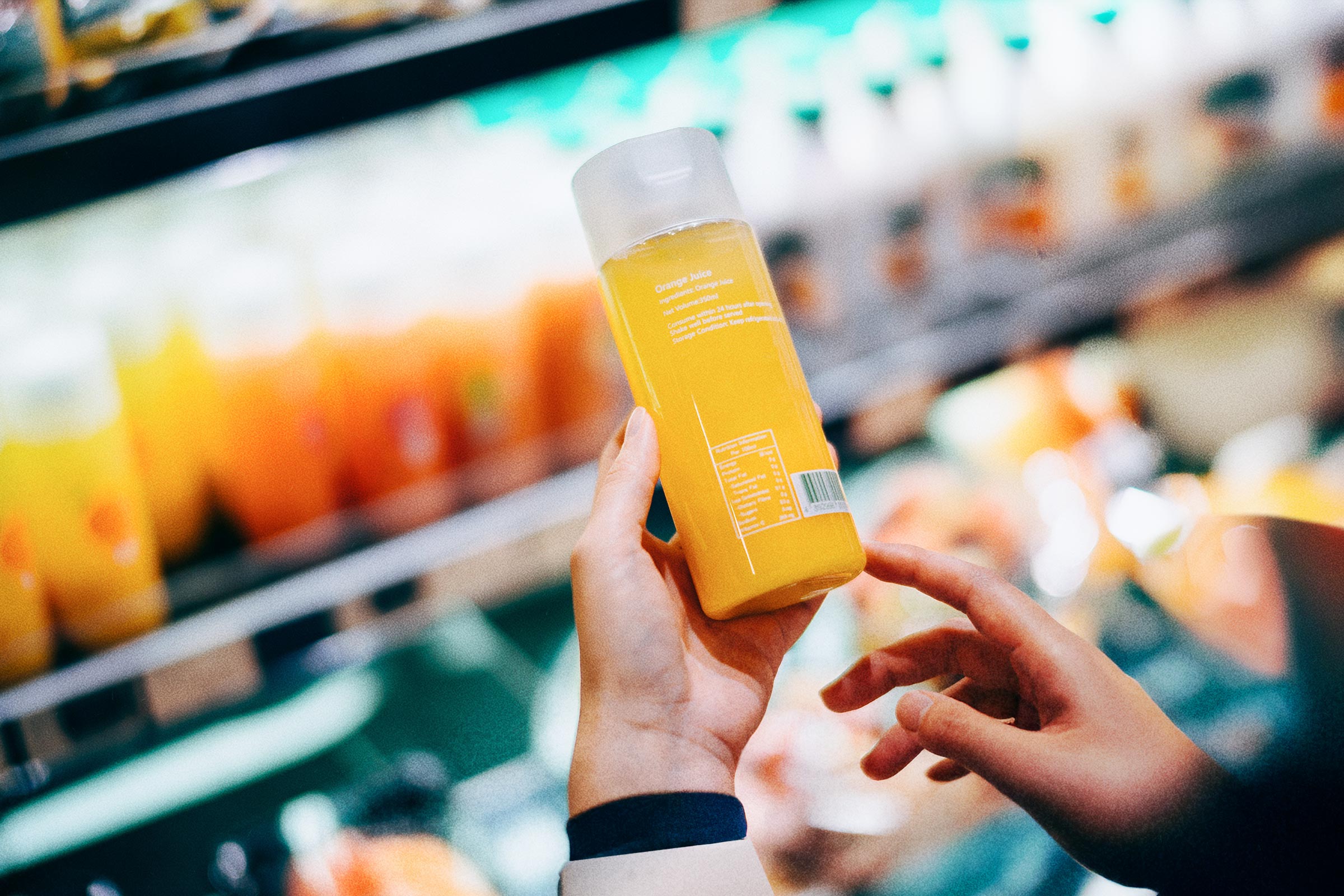
It was a hot afternoon packed with errands, and by 3 p.m. I was tired and low on energy—so I searched for a healthy pick-me-up. Near the produce section, I found more than juice or soda; I discovered a range of wellness drinks, called functional beverages. As a nutritionist, I was surprised to see so many options, making it tricky to choose a healthy one.
As demand for clean-label, functional beverages continues to surge, the natural energy drink market is going through a transformation. Discerning consumers, no longer content with artificial ingredients and high-sugar formulas, are fueling a shift toward nutrient and adaptogen-rich, fermented probiotic drinks. These next-generation beverages promise more than just a quick energy boost—they offer sustained vitality, improved gut health, and sharper focus.
With intense marketing competition among brands, consumers need to look beyond flashy packaging to find drinks that truly deliver.
What to Look For
Before chasing new ingredient trends, prioritize daily hydration—essential for cellular energy, nerve signaling, and peak performance. Even mild dehydration can impair focus, endurance, and temperature regulation, while prolonged deficits strain the kidneys and heart.
The most valuable functional beverages start from the basics: water.
Functional drinks are adding electrolytes and organic acids to improve the absorption of water, balance blood sugar, and enhance cellular health—even benefiting metabolism and inflammation.
Not every energy drink earns a health halo. When looking for a healthier drink, it is best to read the ingredients label carefully to see whether it contains some of the nutrients you could benefit from. Choose drinks with ingredients that match your goal—look for protein with minimal sweeteners to reduce sugar cravings; probiotics or fiber for gut health; or caffeine with no added sugars for steady energy.
A simple ingredient list is ideal: products free of synthetic dyes, artificial sweeteners, and chemical names you can’t pronounce.
Benefits Explained
High-quality drinks offer specific benefits when they include clinically researched ingredients such as the following:
Herbal Adaptogens: Help the body resist stress and improve mental and physical endurance. When paired with natural caffeine, these ingredients may deliver a more balanced, sustained energy boost without the jittery side effects of pure synthetic caffeine. Commonly used herbs such as ashwagandha and rhodiola have been shown to reduce stress and boost sustained energy.
Protein Formulas: Support muscle recovery, promote fullness, and help manage sugar cravings when formulated with minimal or no sweeteners. Protein drinks can further aid blood sugar control and deliver lasting energy, making them valuable for people who want to lose body fat or athletes who want to maintain muscle mass. High-quality protein sources include grass-fed whey or organic pea or brown rice protein, and a clean ingredient list to maximize benefits.
Probiotics: Support gut health, digestive function, and metabolic regulation by lowering inflammatory markers. Drinks such as kombucha and kefir are rich in live beneficial microbes. A systematic review published in June in Nature found that adults with lower gut microbial diversity were significantly more likely to experience cognitive impairment, suggesting that improved microbiome diversity supports both digestive health and brain health.
Antioxidants: Protect the body’s cells from oxidative damage caused by unstable molecules called free radicals. Compounds such as vitamin C, found in many plant foods, are key examples. Green tea has been shown to boost immunity and lower inflammation markers in cancer patients. Other antioxidant-rich, caffeine-containing options such as yerba mate and coffee may also provide benefits in moderate doses. Polyphenols–plant compounds with natural antioxidant properties—help counter exercise-induced oxidative stress, promote recovery, and are valued by both everyday exercisers and professional athletes.
Electrolytes: Support hydration, muscle function, and help reduce fatigue, making them especially important for athletes or anyone recovering after exercise. Key electrolytes include potassium, magnesium, and sodium.
What to Avoid
Avoid drinks loaded with:
- Added sugars above 8 grams per serving
- Artificial sweeteners such as sucralose and aspartame
- Synthetic dyes such as Red 40
- High-fructose corn syrup
- Excessive synthetic caffeine—more than 400 milligrams per day for most adults and almost zero for children
A
review published in July in Nutrients links regular intake of energy drink ingredients such as caffeine, taurine, and B vitamins to spikes in blood pressure, anxiety, heart palpitations, and sleep disturbance.
Another study shows that certain artificial sweeteners, such as sucralose and saccharin, can disrupt the gut microbiome. These synthetic sweeteners cause damage by reducing microbial diversity and encouraging the growth of harmful bacteria, potentially increasing risks for gut inflammation and metabolic problems. Even “sugar-free” energy options can be problematic if filled with unproven chemicals or hidden stimulants.
Practical Tips
In just a few steps, savvy buyers can quickly distinguish proven health benefits from marketing hype.
- Read Labels Critically: Prioritize short, natural ingredient lists and clear information on caffeine and sugar content.
- Select Adaptogen-Rich or Fermented Options: Choose kombucha or probiotics with live cultures, or drinks with ashwagandha or rhodiola for added gut and stress support.
- Hydrate First: Choose clean, mineral-enriched water, possibly with a squeeze of lemon or a pinch of sea salt, for a homemade electrolyte boost.
- Make Your Own: Prepare home-brewed kefir or kombucha, herbal teas with adaptogens, or simple fruit-infused waters to gain benefits without the high price tag, label confusion, or unnecessary additives.