
Death rates among Americans from hypertensive kidney disease—high blood pressure-related kidney disease—surged by nearly 50 percent over the past 25 years, the American Heart Association (AHA) said in a Sept. 4 statement.
Researchers analyzed data from the U.S. Centers for Disease Control and Prevention’s WONDER database from 1999 to 2023, checking all death certificates with cause of death as hypertensive renal disease.
“Kidney disease caused by high blood pressure resulted in 274,667 deaths from 1999-2023 among individuals ages 15 and older,” AHA said in the statement.
During this period, it said, “the age-adjusted mortality rate (AAMR) for hypertensive kidney disease deaths rose from 3.3 per 100,000 people in 1999 to 4.91 per 100,000 people in 2023, an increase of 48%.”
Hypertensive kidney disease is an illness caused by chronic high blood pressure.
Uncontrolled high blood pressure may cause the arteries in and around the kidneys to weaken, narrow, or harden. And when these blood vessels get damaged, the kidneys do not get the nutrients and oxygen required to work optimally, said a May 2024 post by AHA.
Men had an average mortality rate of 4.48, higher than 3.69 among women, said AHA.
Joiven Nyongbella, an internal medicine resident at Wayne State University/Henry Ford Rochester Hospital in Detroit, noted that this study was the first to examine 25 years of nationwide data on hypertensive kidney disease deaths across U.S. states and demographics.
“High blood pressure isn’t just about strokes or heart attacks—it’s also a major cause of kidney disease and death,” Nyongbella said in a statement.
“The message is simple: check your blood pressure, treat it early and don’t ignore it, because it can quietly lead to life-threatening kidney problems.”
When kidneys fail to function optimally due to damage caused by high blood pressure, the organs fail to filter blood and become incapable of regulating fluids, acids, salts, and hormones in the body, said the AHA.
Damaged kidneys also fail to regulate blood pressure.
“Healthy kidneys respond to a hormone called aldosterone. This hormone plays an important role in regulating blood pressure throughout the body. But kidney damage and uncontrolled high blood pressure can create a harmful cycle,” AHA said.
“Blood pressure can become more difficult to control in people with kidney damage, and uncontrolled high blood pressure can contribute to worsening kidney damage.”
In its Sept. 4 statement, AHA said that the West registered a higher overall AAMR of 4.59 per 100,000 individuals across all U.S. regions. Washington had an AAMR of 7.6, Tennessee had 5.9, and Mississippi had 5.83, it added.
“The highest average AAMR was for individuals who were identified as Black, at 10.37 per 100,000 people versus the range of 3.33-3.90 per 100,000 for people in other population groups,” AHA said.
“Hispanic individuals had a 15 percent higher AAMR when compared to non-Hispanic individuals (4.55 vs. 3.97, respectively).”
The findings are part of preliminary research presented at the AHA’s Hypertension Scientific Sessions 2025 meeting in Baltimore, being held this week. The study has not been published in any peer-reviewed scientific journal.
Protecting Kidneys
In an April 21 post, the University of Kentucky said that almost half the adults in the United States, amounting to 108 million individuals, have hypertension, a leading cause of chronic kidney disease.
It advised learning how to manage stress and lose weight to tackle high blood pressure, which can help avoid the chances of kidney damage.
For instance, people who are overweight or obese should consider reducing body weight by 7 to 10 percent, which would make a positive impact on health, said the post.
Roughly one in five adults with high blood pressure and one in three with diabetes may have chronic kidney disease, according to a May 2024 CDC post.
The agency recommended people consult with their physicians about ways to lower blood pressure and focus on eating plenty of fruits and vegetables.
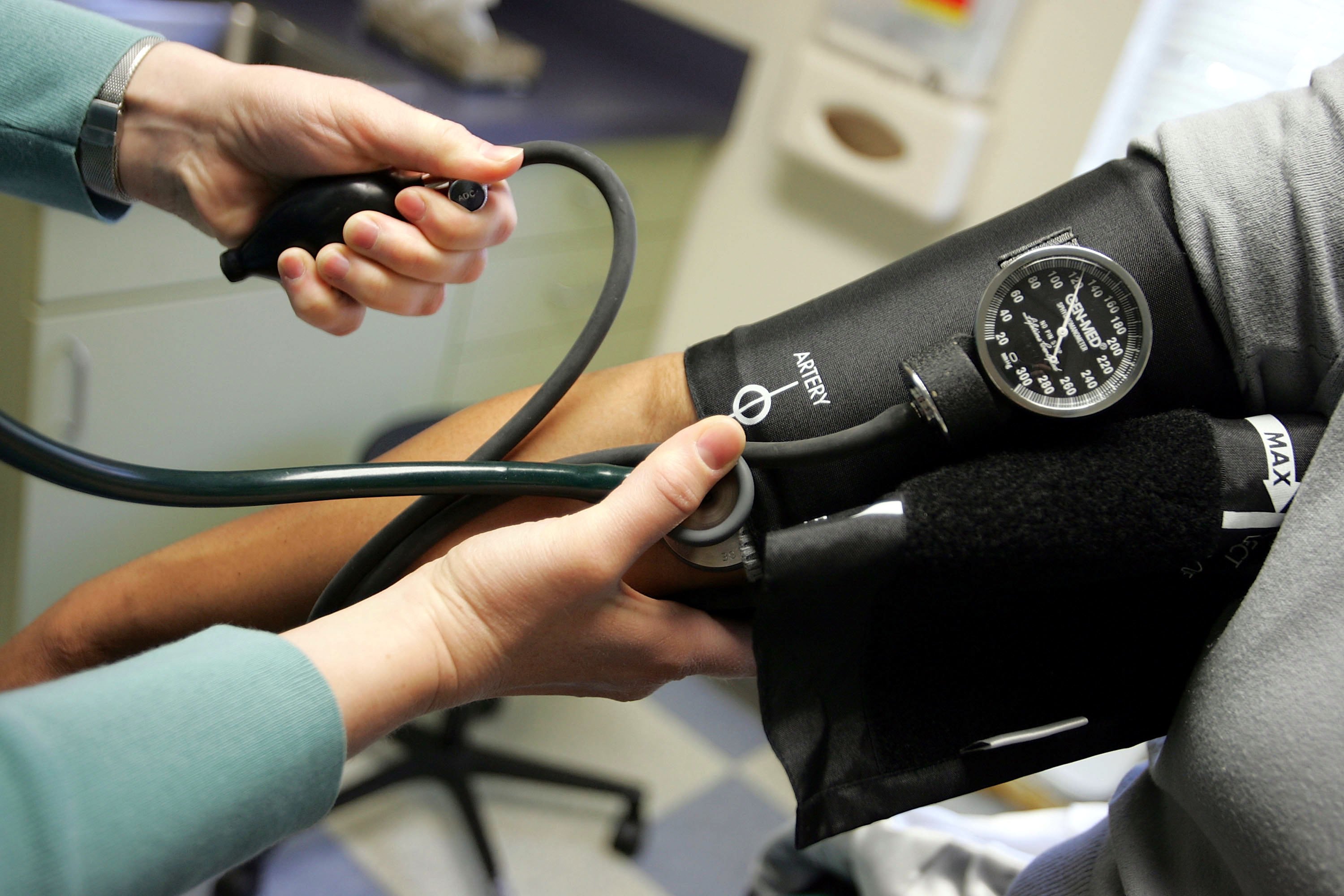
“Keep your blood pressure below 140/90 mm Hg (or ask your doctor what the best blood pressure target is for you). Check your blood pressure regularly,” the CDC advised.
“Take medications as prescribed. Ask your doctor about medicines called ACE inhibitors and ARBs, which may protect your kidneys and lower your blood pressure. Get active. Physical activity helps manage blood pressure and blood sugar levels.”
These measures can protect the kidneys and heart, said the CDC.