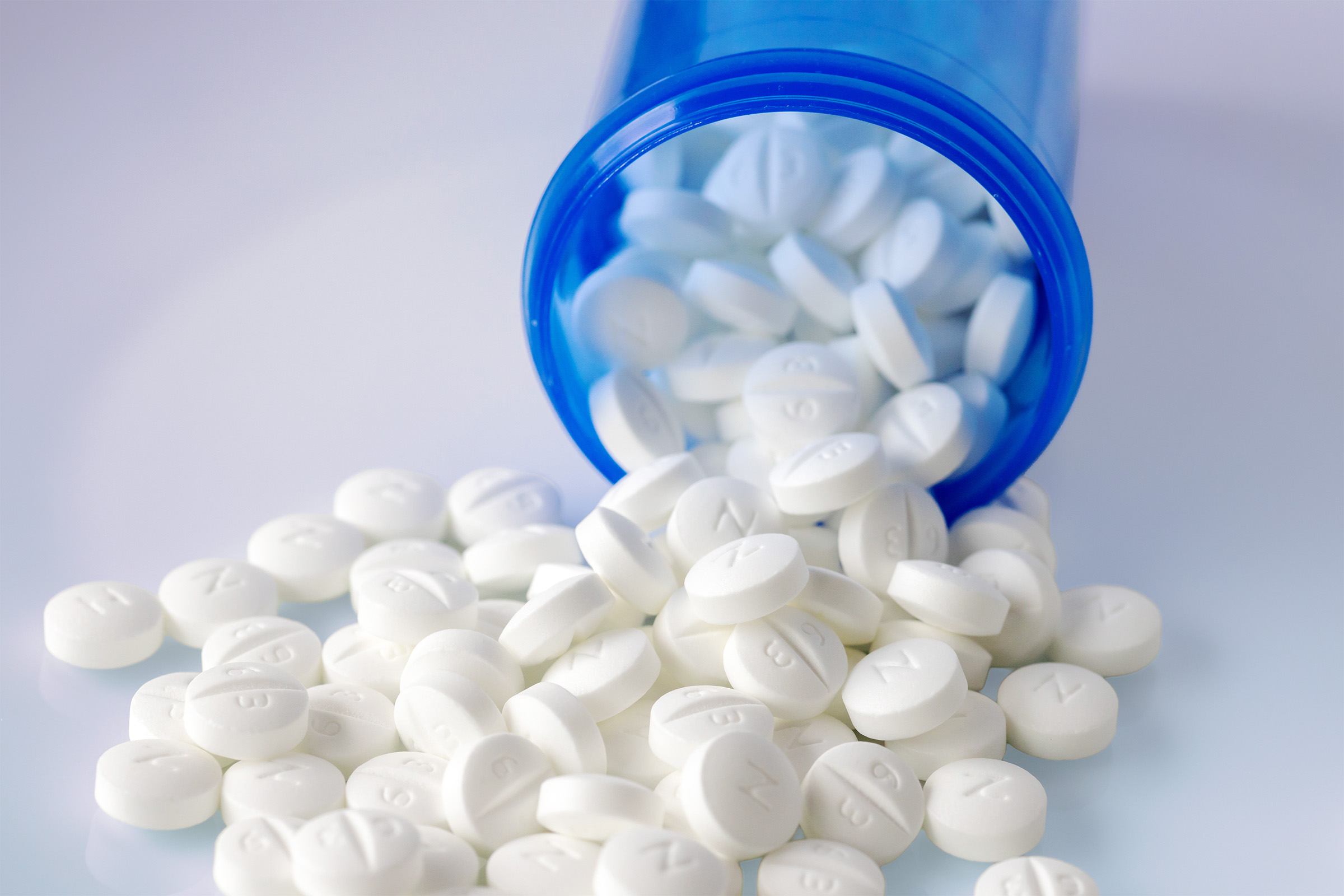

Metformin is the go-to drug for managing diabetes; nearly 86 million Americans filled prescriptions for the drug in 2023. However, a new study suggests that metformin may prevent you from getting the benefits of exercise.
Doctors have long advised patients with high blood sugar to take metformin alongside exercise, believing that combining these two proven therapies would lead to better results.
“Most health care providers assume one plus one equals two,” lead author Steven Malin, a professor at Rutgers, said in a statement. “The problem is that most evidence shows metformin blunts exercise benefits.”
The fact that metformin blunts the benefits of exercise is a concern because most people on metformin are diabetic and overweight and would be attempting exercise to also help control their blood sugar and keep fit.
Dr. Betul Hatipoglu, a professor of medicine at Case Western Reserve University School of Medicine, and not involved in the study, told The Epoch Times that this study is the first to show that metformin might reduce the improvements in blood vessel insulin sensitivity that usually come from exercise.
Drug Blunts Benefits of Exercise
Researchers at Rutgers University found that metformin reduces the benefits of exercise on blood vessel function, fitness, and blood sugar control. The study, recently published in The Journal of Clinical Endocrinology & Metabolism, involved 72 adults at risk for metabolic syndrome, a group of conditions that increase the likelihood of diabetes and heart disease.
Participants were divided into four groups: high-intensity exercise with a placebo, high-intensity exercise with metformin, low-intensity exercise with a placebo, and low-intensity exercise with metformin. Over 16 weeks, researchers measured changes in blood vessel function, which helps deliver oxygen and nutrients after meals.
Results showed that exercise alone improved response to insulin, meaning blood vessels were more sensitive to insulin and allowed more blood flow to muscles, helping lower blood sugar after eating.
Exercising alone also reduced patients’ inflammation and fasting blood sugar levels.
However, when metformin was added, these improvements were reduced, and the drug also lessened gains in fitness.
Exercise is crucial for lowering blood sugar and improving physical function, both important goals in diabetes treatment, Malin told The Epoch Times. If metformin interferes with these benefits, patients may not receive the full protective effects.
“If you exercise and take metformin and your blood glucose does not go down, that’s a problem,” he said. “People taking metformin also didn’t gain fitness. That means their physical function isn’t getting better, and that could have long-term health risk.”
Malin pointed to previous research findings that even weight-lifting benefits are inhibited by metformin as it relates to muscle gains.
“This leads me to think that metformin may interfere with both endurance and resistance exercises on health outcomes,” he said.
It’s important to note that metformin is still an effective treatment for diabetes; the study simply found that it can blunt the beneficial effects of exercise.
Their findings are based on the scenario in which a patient is advised to exercise and prescribed metformin simultaneously, Malin said. However, other research suggests that if people take metformin for a while first and then begin exercising, they tend to see greater benefits than if they only stay on metformin.
Malin added that this is likely because the body has already adjusted to metformin, making exercise a fresh stimulus that helps it keep improving.
Still, no studies have directly compared taking both at the same time with starting one and then adding the other later to see what the long-term health effects might be, he said.
“More work figuring out how to best prescribe these two group therapies together [is] needed,” Malin said.
What May Be Happening
The reason why metformin reduces the benefits of exercise is not fully understood, Malin said, but it may relate to how the drug works. Metformin partly blocks parts of the cell’s energy centers, called mitochondria, which reduces stress and improves blood sugar control.
However, this same effect might also prevent the cellular changes triggered by exercise, including mitochondrial improvements and increased aerobic capacity.
The stakes are high, he said, as nearly 35 million people in the United States have Type 2 diabetes. Prevention strategies often involve lifestyle changes and medication, and if these don’t work as expected, the risk of complications grows.
Although metformin is an effective agent to manage blood sugar, using the drug and exercising “may not be better than either alone.”
Malin clarified that these findings do not mean people should stop taking metformin or exercising. Rather, he said, they highlight the need for doctors to carefully consider how these treatments are combined and to monitor patients closely. Future research may help find ways to preserve the benefits of both.