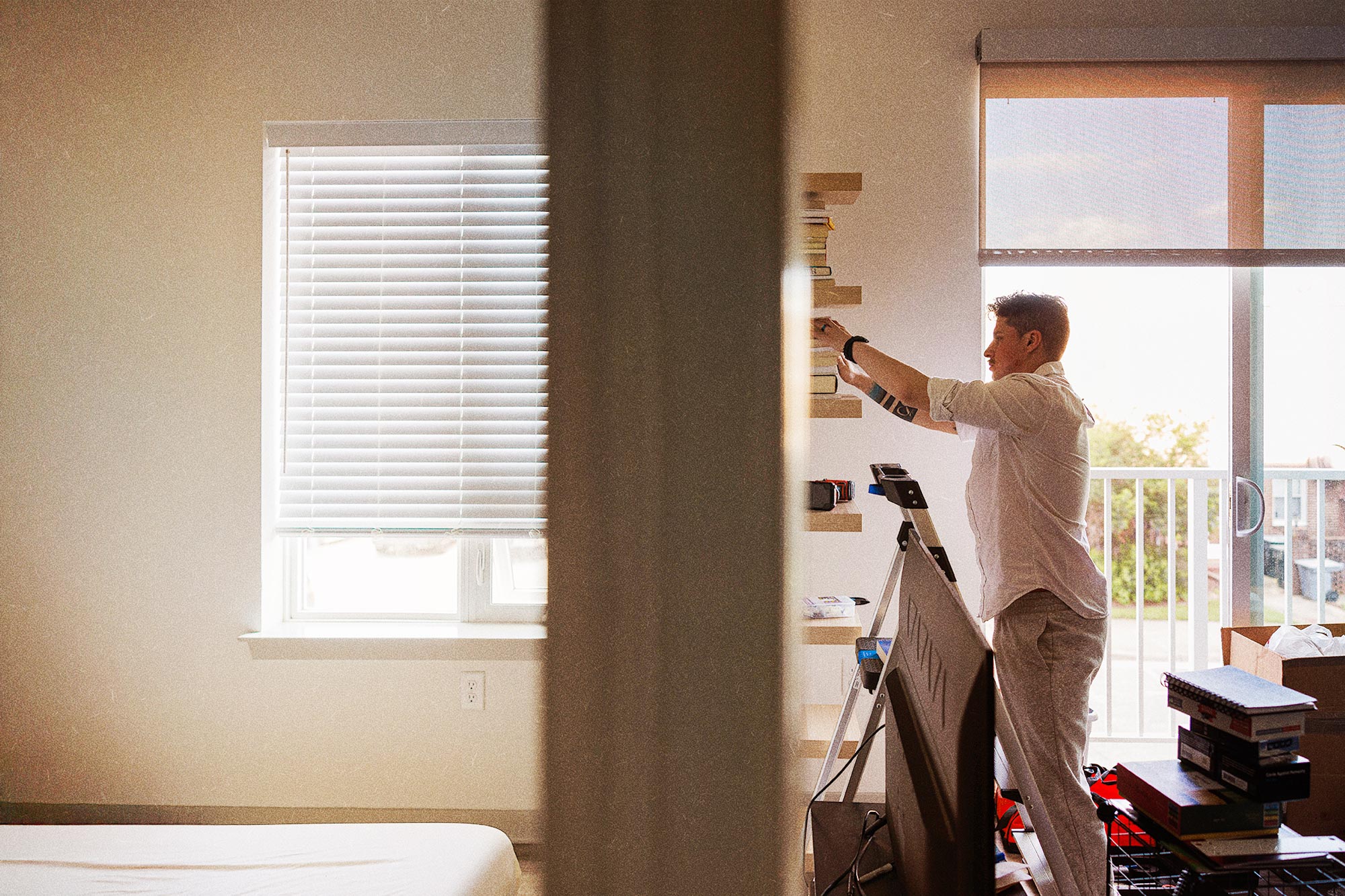
After his divorce 10 years ago, Brad’s home became overrun with clutter—music gear, DVDs, books, emergency food, and papers. As the clutter grew, so did his weight, creating a cycle of physical and mental overwhelm. Inspired by a recent work promotion and a podcast on clutter and weight struggles, Brad saw an opportunity for a fresh start and a new approach to reclaiming his health.
Everyone can have a bit of clutter in their home, but people diagnosed with compulsive hoarding often have far more of it—and a far greater risk of obesity. According to a 2021 systematic review—the risk was nearly double that of people without a hoarding disorder.
There are many reasons hoarding and obesity are linked, but they all come down to how we handle emotions.
The Cycle of Clutter and Stress
Everyone faces hardship and stress, but we all handle them differently. For some, emotional dysregulation can lead to intense and prolonged reactions to life’s stressors and undermine daily decisions and relationships.
Emotional dysregulation is an inability to effectively manage emotional responses. In other words, we might be overwhelmed by our emotions or unable to rein them in and struggle with mood swings and extreme reactions. People use various means to cope with these reactions. Some approaches might include talking with a close friend or going for a long walk outside, but others aren’t so healthy. Hoarding and emotional eating are two examples.
Hoarding can provide a temporary sense of comfort but ultimately creates more stress and bigger issues. That momentary relief from holding on to an extra sour cream container adds to physical clutter that can create mental anguish.
Some research has found that people who have trouble regulating their emotions may turn to objects for emotional support, making it more difficult to discard them.
In a 2024 study, hoarding was associated with intense dysregulation of negative emotions, including anger, sadness, and anxiety. Ruminating thoughts about hoarding or regrets about previously discarding certain items were closely associated with increased saving behaviors. Hoarding also creates increased loneliness and isolation. Many hoarders are ashamed of the state of their homes and don’t want friends or family to see them. This may be why hoarding is linked to reduced social support.
Clutter, Stress, and Weight Struggles
The problem of managing emotions may be why hoarding is frequently associated with compulsive buying and binge eating.
A 2023 study found that people with hoarding tendencies engaged in impulsive behavior and felt more distress about eating and body image. They also had trouble using their kitchens to prepare food because of clutter.
In the study, the hoarding group ate more cookies in the tidy room, while the control group ate more in the cluttered room.
In a 2015 study, researchers noted that hoarding and obesity may be related to difficulties in decision-making and emotion and impulse control. An inability to let go of excess physical possessions may reflect a broader struggle with self-control and organization in other areas of life, including diet and exercise.
The researchers assessed the relationships between hoarding severity, obesity, and symptoms associated with binge eating among 97 participants with elevated hoarding symptoms. The findings demonstrated that hoarding severity was correlated with increased BMI and symptoms of binge eating.
Furthermore, problems regulating emotions mediated the correlation between hoarding and eating concerns.
How Decluttering Supports Weight Loss
Kerri Richardson, decluttering expert and author of “From Clutter to Clarity,” told The Epoch Times that clutter often signals deeper factors that keep people
stuck holding on to excess items and weight.Richardson identified three main causes of mindset-driven behaviors that lead to cluttering: a lack of clear boundaries, holding on to old stories, or having unrealistic expectations.
A Lack of Clear Boundaries
Physical clutter can represent boundaries that someone needs to set with the people in their life. If you’re someone who puts others’ needs ahead of your own, your energy is likely wiped out much of the time. Thus, the last thing you want to do is clean up your environment.
Clutter might also be a reminder of your lack of self-care and serve as a call for help—an alert that it’s time to make your needs a priority. Maybe it’s time to say “no” more often, to decline invitations, or to turn down requests for your time or talents.
Cluttering—or even hoarding—can become a coping mechanism for the emotional pressure that these mindsets create, according to Richardson. Hoarding can be a self-soothing habit for stress release. While accumulating items may offer temporary relief from stress or emotional discomfort, it ultimately restricts a person’s potential and steals time from more meaningful or fulfilling activities.
The cluttering or hoarding habit can become an outlet to release the inner pressure caused by one or all of these mindsets. It provides people with short-term relief from the many uncomfortable emotions that stress creates, but it also limits their potential and time to do other things, she said.
Holding On to Old Stories
When it comes to stories we tell ourselves about our material belongings, we often create “truths” or emotional reasons that may limit how we live our lives. Examples include:
- “I don’t have any use for this, but I'll keep it in case I do in the future.”
- “This is broken—I'll get it repaired at some point.”
- “I don’t know if I‘ll stay this size—I’ll keep the clothes that don’t fit just in case.”
These beliefs protect us from the risk of loss but also prevent us from achieving an easier living space or trusting ourselves to stick to our goals.
Unrealistic Expectations
Some people who struggle with clutter or hoarding may unconsciously hold on to excess weight as a way to lower others’ expectations of them and avoid the pressure of living up to their full potential, according to Richardson.
Change Your Perspective, Change Your Space
Richardson suggests reflecting on how holding on to clutter may be serving you, and imagining how your life—your time, space, and emotions—might change if that clutter, or excess weight, were gone.
A shift in perspective can help people prioritize self-care. Removing distractions makes space for movement and healthier choices.
A tidy home fosters control and mindful choices. An organized kitchen encourages healthy eating and meal prep. Small environmental changes lead to big transformations in health.
Breaking the Cycle: Strategies for Clearing Mind and Home
Clutter does more than create chaos in your physical space—it can cloud your thoughts and emotions. The good news? Decluttering brings order and calm, fostering both a harmonious home and a peaceful mind.
“Your clutter isn’t about laziness or disorganization. It’s about your mindset, your beliefs, and how they influence your behavior. Change your mindset, and you’ll change your behavior,” Richardson said.
If you struggle with self-doubt or indecisiveness, decluttering can be a powerful way to build confidence. At its core, decluttering is simply a series of small decisions: keep, donate, or toss. Each choice reinforces self-trust.
Stay Focused and Calm With the Pomodoro Technique
Richardson recommends a simple 25-minute time management tool called the Pomodoro Technique. Since clutter often overwhelms people, she suggests sitting among the clutter first. “Focus on one area to target, then set the Pomodoro app’s timer for one 25-minute round,” Richardson said. Keep asking yourself: Does this item bring me value now—or will it in the future?
Release Emotional Baggage to Make Space for Change
Guilt, anger, and sadness are stressful emotions that can keep us stuck in the past. Letting go of guilt-driven attachments is liberating. Some items are kept out of obligation rather than joy—perhaps because they were expensive, unused, a gift, or belonged to a loved one. Recognizing the attachment can make it easier to part with unnecessary belongings. Meditation, walking, or calling a friend when triggered by challenges can help self-soothe negative emotions.
Challenge Fear-Based Thinking to Let Go With Confidence
Letting go of clutter can feel risky, especially when you’re unsure about whether you might need something later. However, personal growth often comes from stepping outside your comfort zone and trusting your ability to make confident decisions.
Challenge yourself to release items that you haven’t used in years or duplicates of things you don’t need. Donate, repurpose, or discard clutter to create a fresh start.
Since decluttering, Brad has regained the slim, healthy frame he had before his marriage. As he discovered, the more you take on, the more organized you must be—and the less time you have for unnecessary distractions. In addition to creating a cleaner space—decluttering builds a healthier, more intentional life.