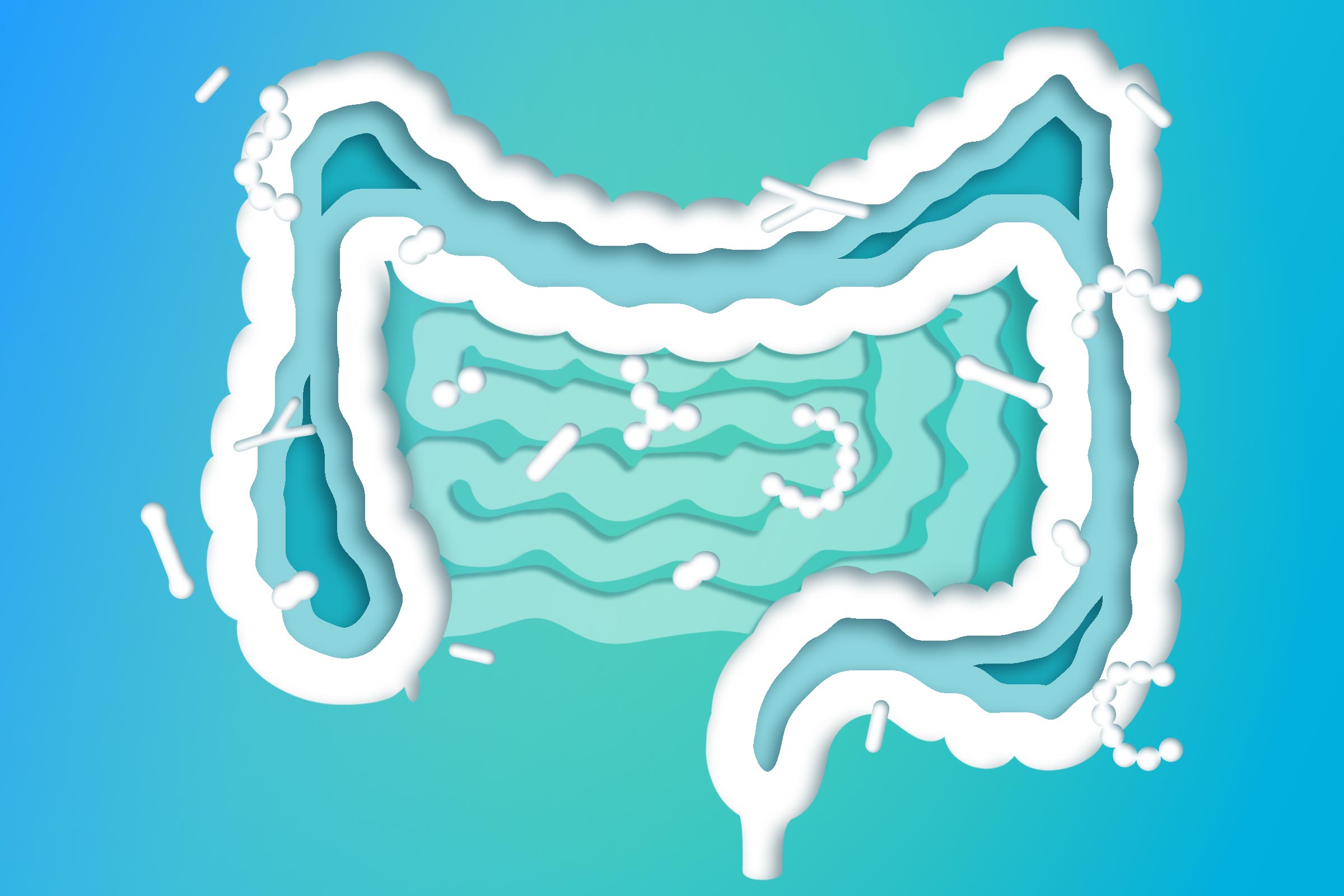

Your gut may be able to reinvent itself, boosting your metabolism right along with it. Beyond breaking down food, the trillions of microbes living in your gut act as a second digestive organ, sending chemical signals that influence how your body handles energy, inflammation, and insulin. However, when your gut falls out of balance, these processes become disrupted, setting the stage for weight gain, energy crashes, and chronic disease.
“Our gut adapts quickly, and there are some studies even showing that in a matter of two weeks we can replenish and change the gut composition,” Adriano dos Santos, a functional registered nutritionist and gut metabolism researcher, told The Epoch Times.
How the Gut Drives Your Metabolism
A 2024 systematic review published in Nutrients, led by dos Santos, analyzed 26 studies linking gut bacteria to metabolic syndrome, a cluster of conditions that includes diabetes and unhealthy cholesterol. The findings demonstrated that what you eat directly affects your gut bacteria and that dietary choices can either help or harm your metabolic health.
Specifically, diet is thought to influence gut microbiota composition by at least 20 percent in humans. Furthermore, detrimental microbial metabolism in those with metabolic syndrome is directly linked to the Western diet, which favors certain microbial processes over others.
Dos Santos highlighted the complexity and critical role of the gut microbiome, noting that it actively shapes our metabolism.
Healthy gut bacteria help break down complex carbohydrates and fiber that your body can’t digest, thus producing beneficial compounds, particularly short-chain fatty acids such as butyrate. These compounds fuel the cells lining your colon and signal the pancreas to release insulin, maintaining stable blood sugar. Short-chain fatty acids also bind to receptors in the gut lining, triggering hormones such as glucagon-like peptide-1 that further fine-tune your insulin response and influence hunger and fullness cues.
“The microbiome really influences how our body is choosing to store fat and use the energy,” dos Santos said.
Beyond nutrient processing, your gut also affects inflammation, a major metabolic disruptor. Imbalanced gut bacteria can damage the intestinal lining, allowing toxins and inflammatory compounds to slip through into the bloodstream, driving chronic, low-grade, and systemic inflammation.
Your gut bacteria also influence hormones such as ghrelin and leptin that regulate appetite and feelings of fullness. Certain types of bacteria are associated with a leaner body type, while others accompany obesity, directly influencing your food cravings and how much you eat.
How to Gauge Your Gut Status
The key to understanding your gut health lies in your cravings.
“ If you have cravings, you have dysbiosis,” Michael Guidry, a licensed nutritionist who specializes in microbiome testing, told The Epoch Times.
Guidry suggested that dominant gut bacteria, such as an overgrowth of Candida, can directly influence food cravings. These microbes stimulate the vagus nerve, sending signals to your brain that effectively “ring the dinner bell” and compel you to seek out specific foods.
“Get in your car right now and drive to the store and buy those donuts,” he said.
On the other hand, if you have a balanced and healthy microbiome, your hunger feels natural and satisfied by meals and you don’t feel constant urges to snack, he said. Frequent snacking can be problematic. It keeps blood sugar elevated and raises the risk for diabetes.
“Eating just two or three meals a day, eating healthy [foods], digesting your food, and feeding the microbiome: All of that is when it’s working properly,” Guidry said. “You don’t have any cravings. You’re very satisfied, you have good energy, you feel good, and you sleep well at night.”
For gut health, healthy eating involves focusing on whole, minimally processed foods and limiting refined or ultra-processed options.
“These are all very possible, and part of that solution is fixing the microbiome,” Guidry said.
How to Support Gut and Metabolic Health
When it comes to what not to eat, a February study published in Nutrients confirmed that ultra-processed foods significantly harm the gut microbiome by reducing diversity and increasing inflammation, leading to various chronic diseases. The researchers suggested shifting to a diet of minimally processed, nutrient-dense foods to restore gut health.
According to a study mapping how diet shapes the human microbiome, people who eat more than 30 different plant foods each week have significantly greater gut microbiome diversity than those who eat 10 or fewer. That benefit likely comes from fiber, a key nutrient that feeds gut bacteria.
“The most important thing for us to start talking about is the importance of fiber,” dos Santos said.
He recommended a diverse range of vegetables, fruits, whole grains, and legumes.
“All of those fibers are constantly feeding some of those important bacteria and reducing inflammatory markers and processes in the body,” he said.
Aiming for at least five to seven different fruits and vegetables per day can help with variety and diversity. For example, you could eat blueberries at breakfast, carrots for a snack, a mixed salad at lunch, an orange in the afternoon, and broccoli with dinner.
The first step to balancing your microbiome is to identify which types and amounts of fiber your body tolerates. Then, gradually increase your intake until you reach the recommended 25 grams to 30 grams daily, dos Santos said. A simple way to do this is by slowly adding extra servings of fiber-rich foods. Consider tossing beans into your salad, opting for quinoa over white rice, or adding an extra piece of fruit to your day. Doing so allows your digestive system to adjust comfortably while helping you find a personalized balance that supports a diverse, healthy microbiome. Too much too soon may cause gas, bloating, or cramps.
A key strategy recommended by dos Santos is to fill your plate with nutritious foods so that there is less room for unhealthy choices.
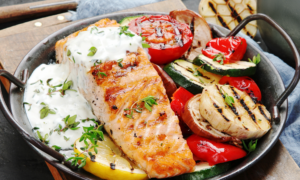
“[Fill] up your plate with whole grains, beans, quinoa ... roasted veggies, and some good proteins,” he said.
Fermented foods also offer a gut metabolism boost. A 2021 study published in Cell found that a 10-week diet high in fermented foods such as yogurt, kefir, fermented cottage cheese, kimchi, and kombucha significantly increased overall microbial diversity in participants’ guts. Study authors reported a reduction in 19 different inflammatory proteins, including a key inflammatory marker linked with chronic conditions such as Type 2 diabetes and metabolic syndrome.
Diet remains foundational, but new research suggests that there may be additional ways to restore gut balance. A 2024 study published in Gut Microbes found that fecal microbiota transplants (transfers of stool from a healthy donor to restore a healthy gut microbiome in a recipient) made people more sensitive to insulin by improving their gut bacteria, pointing to future personalized therapies for metabolic syndrome.
For probiotics, dos Santos said he favors a food-first approach but that when it comes to probiotic supplements, “the more comprehensive [it is], the better it is, in terms of diversity of strains.”
He recommended that any supplement contain high amounts of lactobacillus and bifidobacteria strains.
People with specific conditions such as Type 2 diabetes may benefit from working with a medical professional for targeted probiotic strains and a more laser-focused intervention, he said.
For those with significant gut issues, Guidry suggested starting fermented foods slowly. Begin with just a tiny amount—maybe one-quarter of a teaspoon—of the liquid from fermented vegetables, such as sauerkraut or kimchi, to help your body adapt. Gradually increase the quantity and variety over time, incorporating the actual vegetables once you build tolerance. This gentle, stepwise approach supports better gut health without causing discomfort.
The solution is a lot simpler than we are led to believe, according to Guidry. He recommended focusing on diet first, along with proper hydration, stress management, good sleep, regular exercise, and time outdoors, rather than turning to supplements or quick fixes.
“We tend to think we have to go to these more advanced therapeutics as opposed to just saying, ‘Hey, let’s go back to the fundamentals,’” he said.