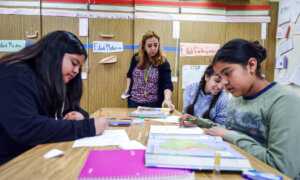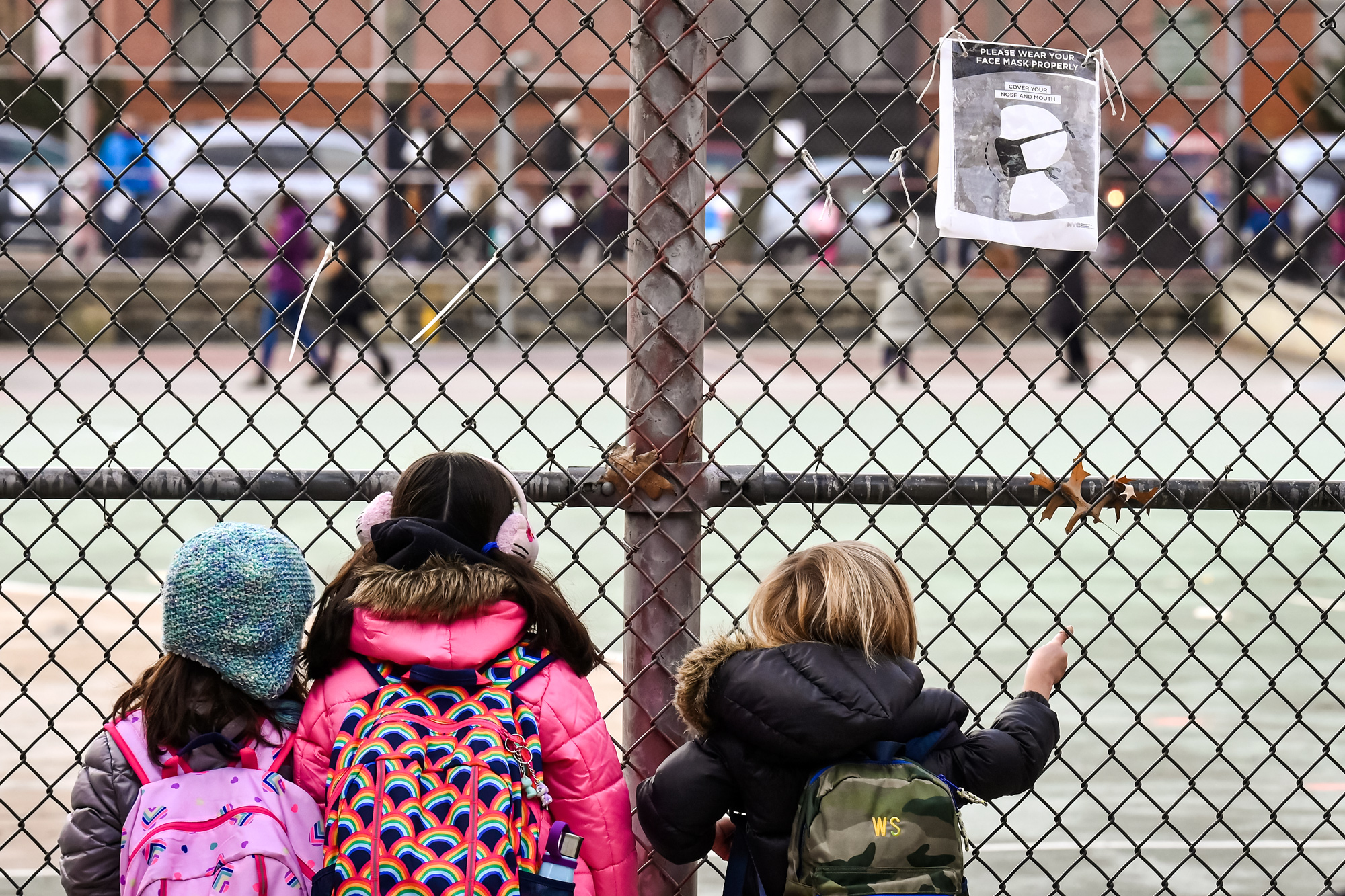

A sizable chunk of the proposed $1.1 billion increase in Empire State school aid next year would fund English language instruction for public K–12 students, officials said this week.
In its 2026–2027 budget and legislative priorities outline, New York’s Board of Regents calls for $996.8 million, up from this year’s $713.5 million, to serve more students in New York City and across the state who are still learning English.
The $283.3 million addition would also benefit homeless students as well as a “minimum increase to maintain existing levels of educational services,” according to a Dec. 16 news release.
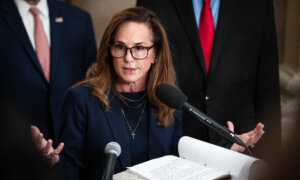
“This year’s budget priorities reflect the Board’s steadfast commitment to equity and excellence for all students, across every community and of every background, while addressing the most pressing challenges shaping their education today,” Board of Regents Chancellor Lester Young Jr. said in the release.
“We remain resolute in championing the resources and support necessary for every student to thrive at every stage of their educational journey.”
Gov. Kathy Hochul will review the board’s proposal before issuing her budget recommendations next month. New York’s legislature is expected to approve a state budget by April 1.
The 2026–2027 academic year begins in September.
Under the Title III program, the federal government also funds K-12 English language instruction in public schools. This past summer, President Donald Trump temporarily withheld nearly $1 billion from states but released the money after a group of school districts, teacher unions, and parents filed federal lawsuits.
Trump previously signed an executive order declaring English as the official language of the United States, though the document also states that agencies will have the flexibility to decide how and when to offer services in languages other than English.
Michigan increased spending on English language learners, rural students, and career and technical education programs by 25 percent. Gov. Gretchen Whitmer signed the 2026 education budget into law in October.
California Superintendent of Public Instruction Tony Thurmond teased a commitment to dual-language immersion programs earlier this month during his first public discussion of 2026 education budget proposals, but said more details will be released following presentations on increased spending to help 240,000 homeless students and an initiative to bolster academic performance for black and Native American students.
Ira Mehlman, media director of the Federation for American Immigration Reform, said sanctuary states like New York and California, which took in hundreds of thousands of illegal immigrant children under President Joe Biden’s administration, have also accepted a taxpayer-funded responsibility for funding more English language instruction at public schools.
“Does it serve the best interests of the majority of the voters?” Mehlman told The Epoch Times on Dec. 18, “It’s up to the taxpayers to decide if they want to pay for it or not.”
“A lot of people are voting with their feet and getting out of New York State.”
New York City Public Schools added more than 20,000 migrant students in the last four years, according to the district website. Mehlman said that figure pertains to students who are in the United States illegally.
Under a 1982 U.S. Supreme Court decision, public schools cannot turn away any students, regardless of their citizenship. Mehlman said the justices, in a 5–4 decision, ruled that a small population of students in Tyler, Texas, “were not a substantial burden.”
The current financial burden on schools across several states today, he said, “may be an opportunity to review the case.”
The Brookings Institute, a left-leaning think tank, reported in November that there are about five million English language learners in K-12 public schools, representing about 10 percent of total enrollment, though they are disproportionately in the lower grades. Most are likely to have been born in the United States, are black, Hispanic, or Asian, and live in low-income communities.
Every state except Mississippi and Montana funds English-language learning programs in public schools, according to the Education Commission of the States.