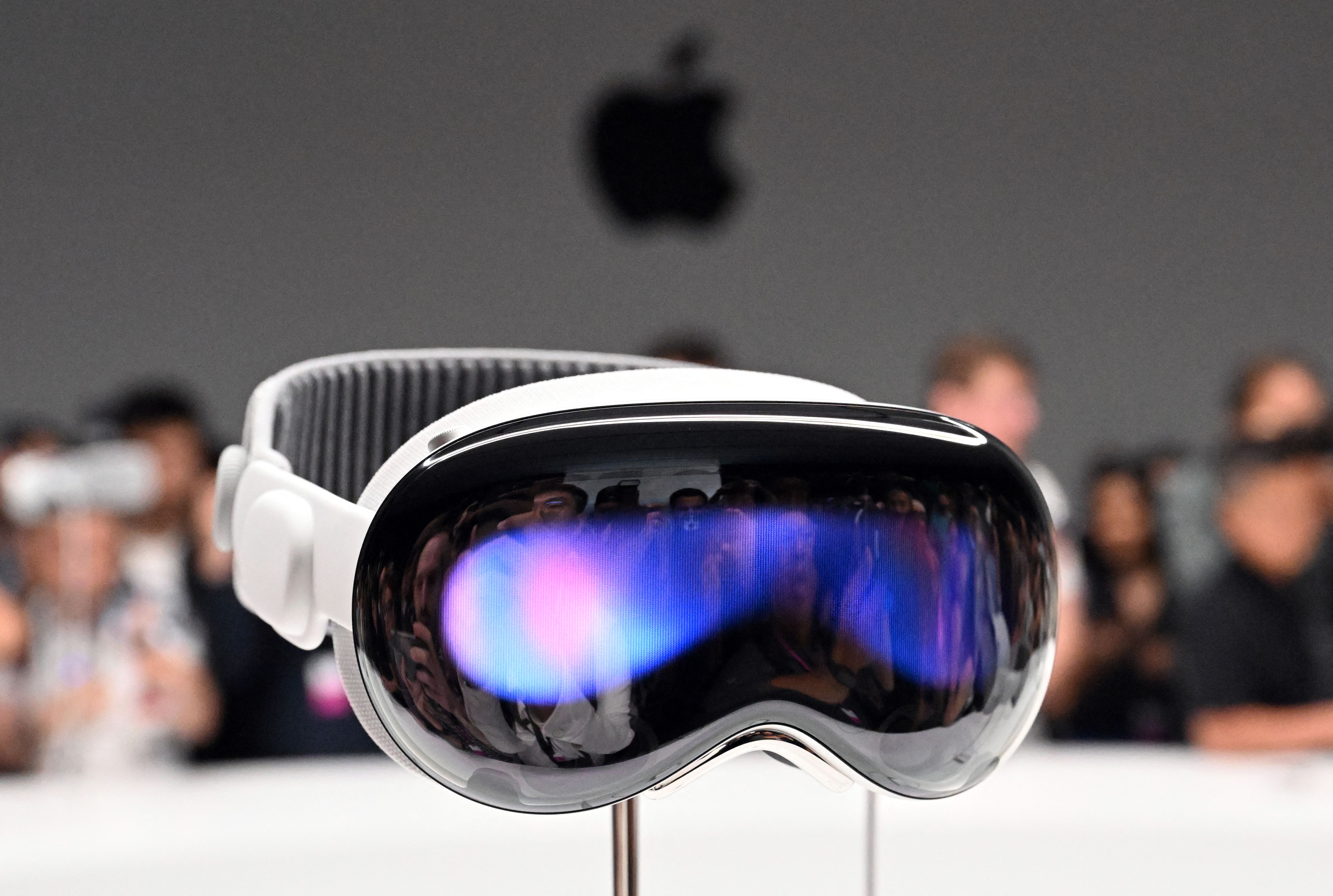

Apple filed a lawsuit on June 24 against former employee Di Liu, alleging that he stole proprietary information from the company before beginning employment with Snap, the company behind social media platform Snapchat.
The lawsuit, filed in the Santa Clara County Superior Court, alleges that San Jose resident and Chinese citizen Liu misled Apple about his Oct. 30, 2024, resignation, telling the company that his reason for resigning was “to spend more time with his family and take care of his health.”
Instead, Liu took up a new role as a product design engineer with Snap, the lawsuit states, citing his LinkedIn profile. Apple’s complaint states that Liu received his offer from the company on Oct. 18, 2024, almost two weeks before informing Apple that he would be resigning.
Apple hired Liu in 2017 as a module prototyping engineer, and he ended his time there as a senior system product design engineer working on the virtual reality device Apple Vision Pro. As such, Liu had access to the company’s proprietary information, which covered research and development as well as unreleased products and features.
As part of the initial hiring process, Liu signed a confidentiality and intellectual property agreement (IPA) in which he agreed not to do things that conflict with Apple’s interests while employed with the company. He agreed to protect the secrecy of proprietary information such as trade secrets, research and development records, or other information relating to past, present, and future products and services, according to the complaint.
After informing Apple of his resignation, Liu still had access to his Apple-issued work laptop for two weeks, during which, the lawsuit alleges, he copied “thousands of documents” of Apple’s proprietary information from secure file storage.
It alleges that Liu copied “more than a dozen folders containing thousands of files” from a work folder to a folder named “Personal” in Liu’s personal cloud storage account.
The lawsuit alleges that Liu knew he was violating the IPA, since he allegedly “repeatedly visited” an internal company webpage detailing employees’ responsibility to return such information when leaving the company.
Logs on Liu’s work laptop show that he selected the folders containing the confidential information copied, and that he renamed and reorganized some of them after moving them to his personal cloud storage, the lawsuit states. Liu then tried to hide his activity by “intentionally deleting files” from his laptop, the lawsuit alleges.
The allegedly stolen information could be critical in Snap’s effort to compete with Apple’s Vision Pro in the augmented reality space, as Snap currently produces smart glasses that let users view and record digital effects through immersive lenses and experience Snapchat in 3D. The lawsuit does not accuse Snap of any wrongdoing.
Apple and Di Liu did not immediately respond to a request for comment by The Epoch Times.
Apple is seeking an award of damages to be determined at trial. It also hopes Liu will be required to return all the proprietary information he possesses and to have his devices and cloud storage accounts investigated to confirm that he no longer has any of the company’s proprietary information.