As Americans thaw out from frigid temperatures and heavy winter storms, top zoos and aquariums across the country are gearing up to provide another year of wildlife exhibits that help conserve nature and uplift the human spirit.
An estimated 183 million visitors venture out each year to see exotic animals and marine life at the nation’s accredited zoos and aquariums. That’s more than the total annual attendance at professional sports leagues combined.
The guest experience is central: Children and families tour immersive exhibits filled with wild creatures—white tigers, towering giraffes, hulking elephants, swimming hippos, chattering chimps, and tropical keel-billed toucans.
According to the Maryland-based Association of Zoos and Aquariums (AZA), the United States has 229 accredited wildlife facilities that include zoos, aquariums, aviaries, butterfly houses, and safari and theme parks. The facilities, including 24 others outside the U.S., house more than 780,000 animals and 8,600 species, including over 800 species classified as endangered, vulnerable, or extinct in the wild.
Worldwide, zoos and aquariums provide funding for essential conservation efforts. In 2024, AZA-accredited zoo and aquarium centers in the United States and around the world spent $341 million on field conservation, providing critical support to 397 species and subspecies listed as threatened on the IUCN Red List of Threatened Species, according to the association.
Daniel Ashe, president and CEO of the Association of Zoos and Aquariums, told The Epoch Times that the association’s members work hard to create a lasting impact on wildlife, people, communities, and the economy.
“Their goal is to provide guests with not just a visit, but an experience, so they take away with them memories, information, and inspiration to help conserve nature,” he said. “But they’re businesses. They’re pretty powerful businesses that are interwoven in their communities—they’re anchors in their communities.”
Not only do AZA-accredited institutions provide healthy wildlife habitats and educate visitors on care for the natural world, but as Ashe notes, they boost the economy: zoos and aquariums contribute $30 billion dollars to the U.S. economy annually and provide more than 250,000 full-time American jobs, according to Aquarian Conservation Partnership.
Some zoos, such as the Philadelphia Zoo and the Roger Williams Park Zoo in Providence, Rhode Island, have been around for 150 years. These and other wildlife institutions have survived and thrived through many national crises, including the COVID pandemic, only to come back stronger and set attendance records.
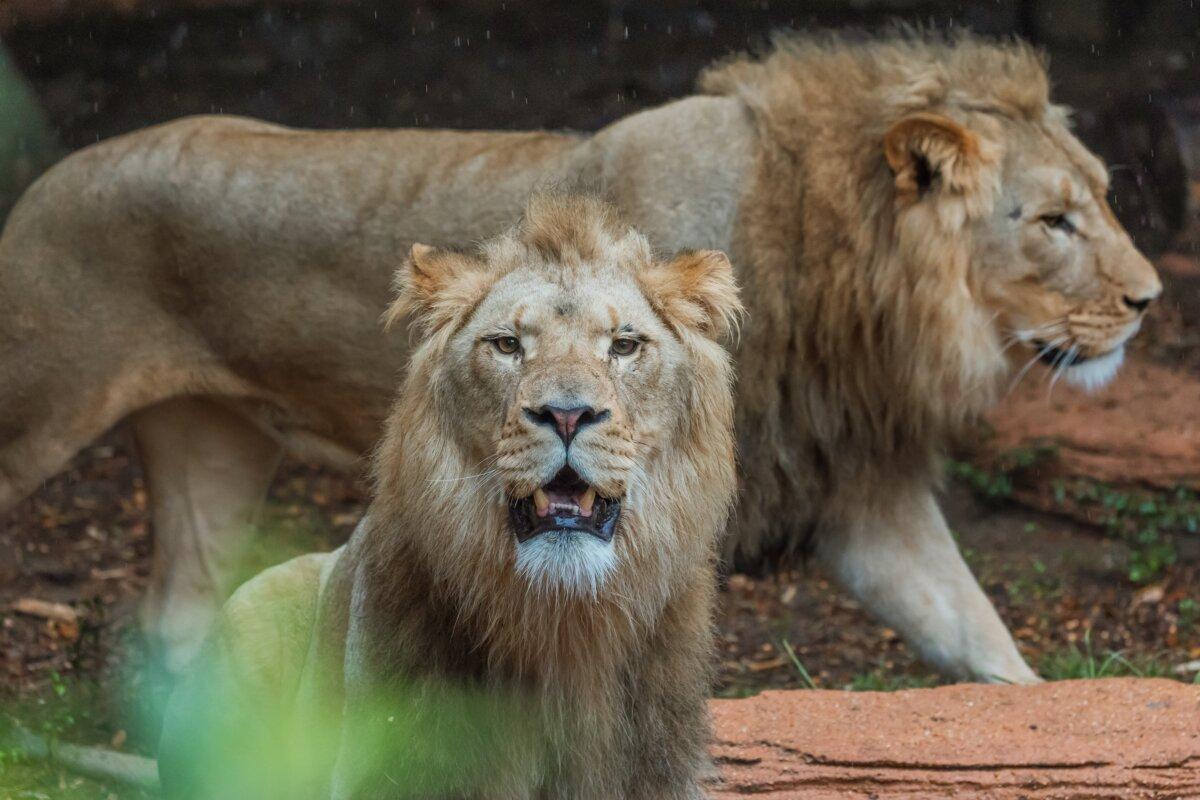
African lion brothers Pescho and Sidai stroll the Lion Habitat at Riverbanks Zoo & Garden in Columbia, South Carolina. (Courtesy of Riverbanks Zoo & Garden)
What’s New at the Zoo
Visitors can expect to see new exhibits, new varieties of species, and educational programs and attractions at the nation’s zoos and aquariums.
“I tell everyone if you haven’t been to the zoo in three months, you haven’t been to the zoo, because it’s constantly expanding,” Matt Perron, public relations manager for Riverbanks Zoo & Garden, told The Epoch Times. “New animals are born, and we continue SSPs [Species Survival Plans] and conservation of endangered species.”
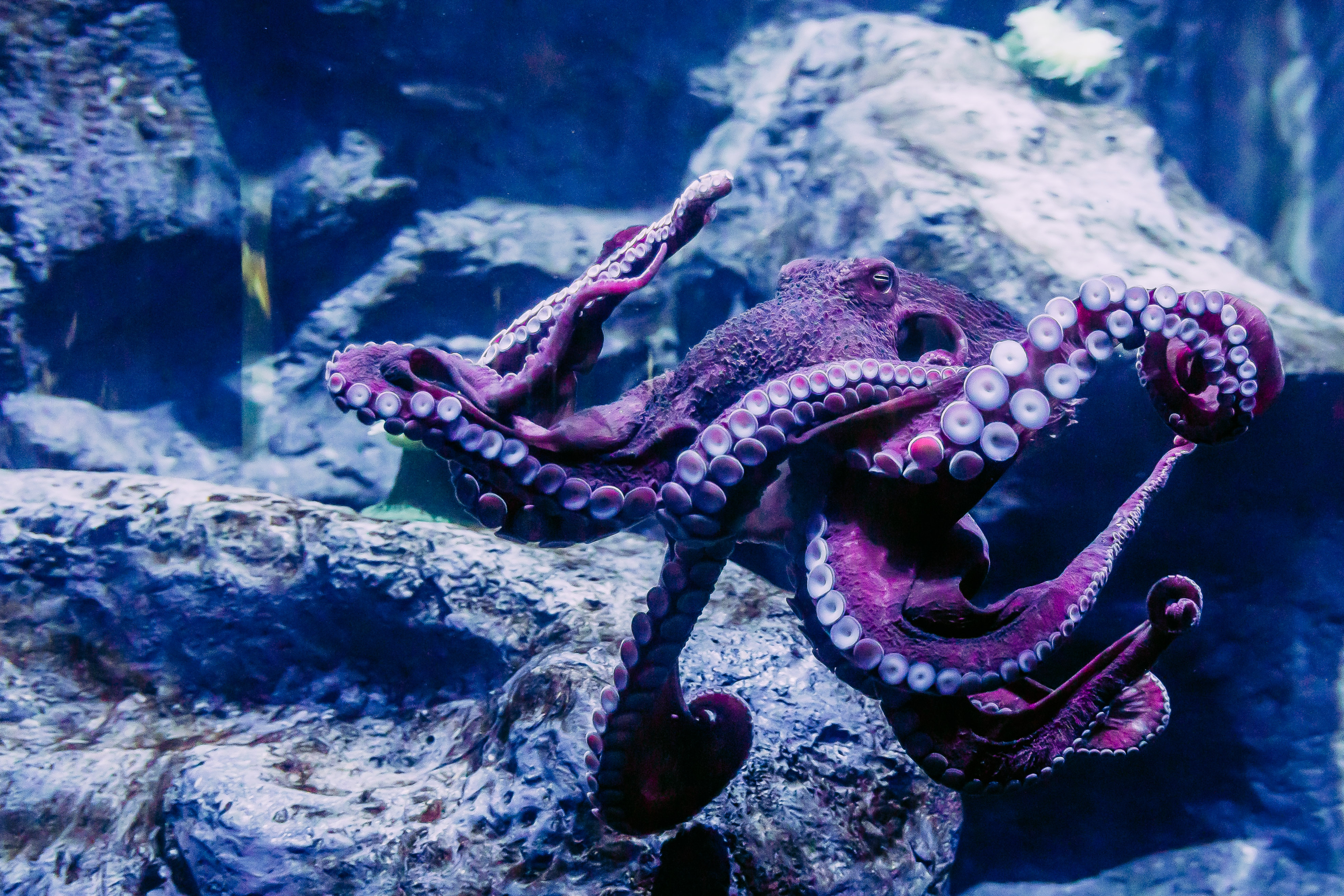
Located in Columbia, South Carolina, Riverbanks is one of America’s top-ranking zoos—it’s No.9 on USA TODAY’s list of TOP 10 Zoos in 2025. The zoo’s 170-acre lot along the Saluda River has more than 3,000 animals and 6,000 varieties of plants. Visitors can experience African savannas, Asian forests, and a new state-of-the-art Aquarium & Reptile Conservation Center—a 20,000-square-foot facility opened in 2023 that once housed Susan, the famous purple giant Pacific octopus that wowed visitors before it died in 2025.
Especially popular at Riverbanks are up-close experiences like the zoo’s giraffe feeding exhibit and the annual nesting and walks of the baby flamingos. Some animals even turn on the charm for visitors.
“Our grizzly bear is a ham and wants to put on a show,” Perron said. “He tends to have some kind of viral video come out about him once a year, and the gorillas as well.”
Also new is the Saluda Skyride, an aerial gondola system that crosses over the Saluda River, allowing guests to view the city and surrounding areas while being transported from one zoo campus to another in minutes. The system’s 19 gondola cabins accommodate eight passengers each and can transport 1,600 guests per hour.
“That’s been extremely popular,” Perron said.
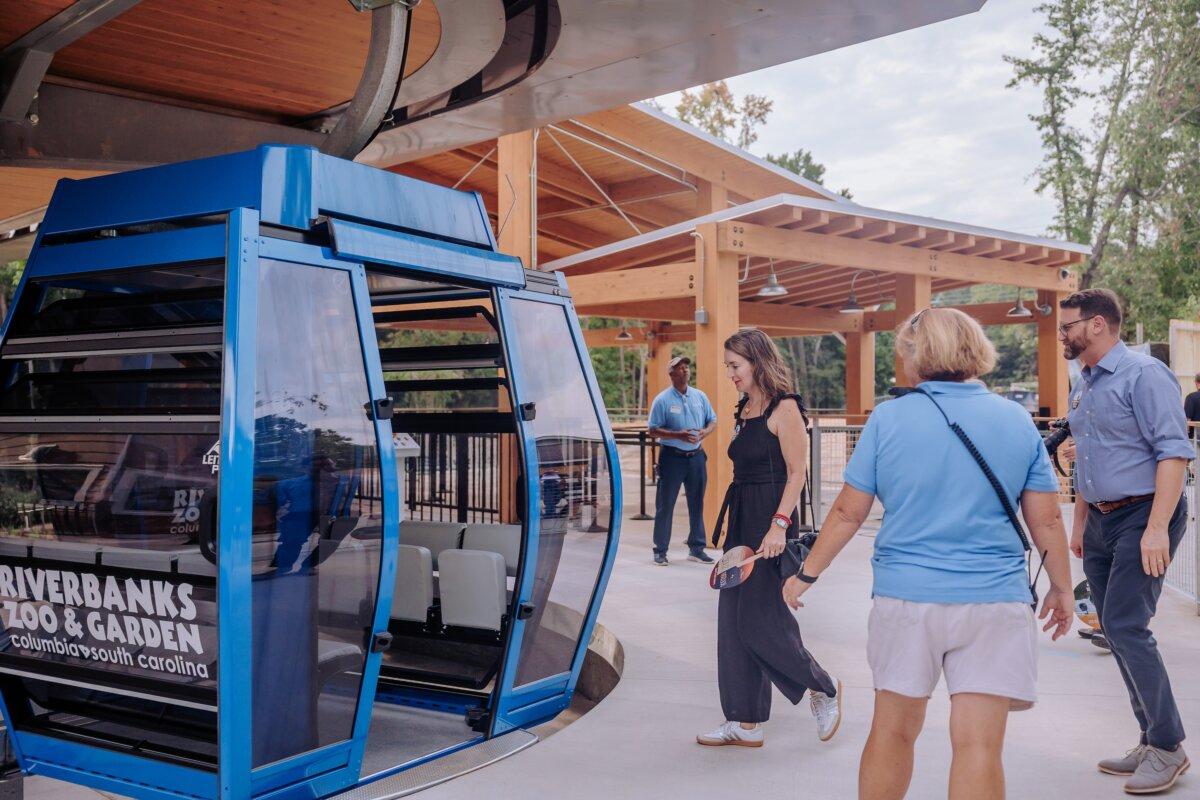
Visitors hop on the Saluda Skyride, an aerial gondola system at Riverbanks Zoo & Garden that goes across the Saluda River, offering a view of the city and surrounding areas. (Courtesy of Riverbanks Zoo & Garden)
One emerging trend at aquariums is to allow guests to snorkel and even scuba dive in select tanks. Ashe and his wife are avid divers who have had the opportunity to dive all over the world. The couple intends to enjoy the experience at AZA’s mid-year conference.
“Our mid-year conference this year is in Atlanta,” Ashe said, “and my wife was like, ‘I want you to take me diving in the Georgia Aquarium.’ I looked on their website and you can dive in the Georgia Aquarium. And she was like, ‘Look, this is awesome. They have manta rays and whale sharks and sea turtles.’”
Other national aquariums offering a dip in the tank include the Florida Aquarium in Tampa, the Shedd Aquarium in Chicago, and the Monterey Bay Aquarium in California, Ashe said.
Fan Favorites
Americans have their favorite zoos and aquariums. TripAdvisor’s user-based
rankings of top zoos and aquariums include San Diego Zoo in California, Georgia Aquarium (Atlanta), Parrot Mountain & Gardens (Pigeon Forge, Tennessee), Monterey Bay Aquarium (Monterey, California), and Ripley’s Aquarium of the Smokies (Gatlinburg, Tennessee).
According to USA TODAY’s 10 Best Readers’ Choice Awards for 2025, America’s top 5 ranked zoos are: Omaha’s Henry Doorly Zoo and Aquarium (Omaha, Nebraska), Cheyenne Mountain Zoo (Colorado Springs, Colorado), Columbus Zoo and Aquarium (Powell, Ohio), Jacksonville Zoo and Gardens (Jacksonville, Florida), and Cincinnati Zoo & Botanical Garden in Ohio. Voting for the outlet’s 2026 zoo rankings is currently underway online, with results to be announced on March 18.
These and many other organizations foster membership loyalty and attract new audiences by building fresh exhibits and launching ecologically important conservation projects. New exhibits across the United States include the following:
- San Diego Zoo Safari Park (California)—Denny Sanford Elephant Valley, the largest and most transformative project in San Diego Zoo Wildlife Alliance’s 109-year history, opens March 5, 2026, and aims to deliver a lasting appreciation for elephants and a desire to protect their native habitats.
- Nashville Zoo (Tennessee)—Leopard Forest, the facility’s most immersive exhibit, opened in 2025 and features endangered Amur leopards, colobus monkeys, klipspringer antelopes, De Brazza’s monkeys, and Masai giraffes.
- Nathan Benderson Park (Sarasota, Florida)—Mote Science Education Aquarium (Mote SEA), opened in 2025, serves as a regional hub for expanding marine science and technology education to every K-12 student in the community.
- Zoo Boise (Idaho)—Red Panda Passage, opened in 2025, has created a lush Asian forest with plants, an overhead tree canopy, and tall climbing structures for red pandas.
- San Antonio Zoo (Texas)—Congo Falls, opened in 2025, is a 2-acre habitat with a 60-foot tower that gives gorillas a skyline view of the city.
- Birch Aquarium (San Diego)—Living Seas, opened in 2025, is a marine life immersion exhibit that features a Giant Pacific Octopus habitat, epaulette sharks, Archerfish, and other ocean creatures.
- Los Angeles Zoo (California)—Cape Vulture Plaza, opened in 2025, features Cape vultures with wingspans of up to eight-and-a-half feet in the Africa section.
- Brookfield Zoo Chicago (Illinois)—Bramsen Tropical Forests, opened in 2025, is a 3-acre, $66 million expansion project and one of the largest primate habitats in any U.S. zoo.
- Phoenix Zoo (Arizona)—Big Cats of Arizona, opened in 2025, offers a new $5.4 million habitat for mountain lions and jaguars.
Good for Animals and Society
When it comes to conservation, zookeepers, veterinarians, zoologists, and curators team up to promote animal welfare, habitat preservation, breeding programs, ecosystem research, and education. Their focus on endangered species has saved sea turtles and American red wolves from critical endangerment and extinction.
The California condor, reduced to just nine birds remaining in the wild in 1985, was successfully bred and rescued in a collaborative effort with the San Diego and Los Angeles zoos. There are now 400 California condors, including 240 living in the wild.
But zoos and aquariums offer another important benefit—an encounter with the natural world that may improve health.
“What we know about humans is we’re increasingly urban, increasingly indoor creatures,” Ashe said. “And we also know that there are physiological and psychological benefits of being in nature. What our members provide is ... a window to nature.”
According to a 2017 study by Swedish researchers, spending time with animals can reduce stress hormone levels and have a calming effect.
According to Perron, the industry experienced a “tumultuous period” five years ago during the pandemic, which got people interested in being out in nature again.
“I think since zoos were able to open up rather quickly, people kind of got back into it,” he said.
Perron added that educational programs are important for youth, and also for the thousands of directors, keepers, and educators who operate zoos and aquariums.
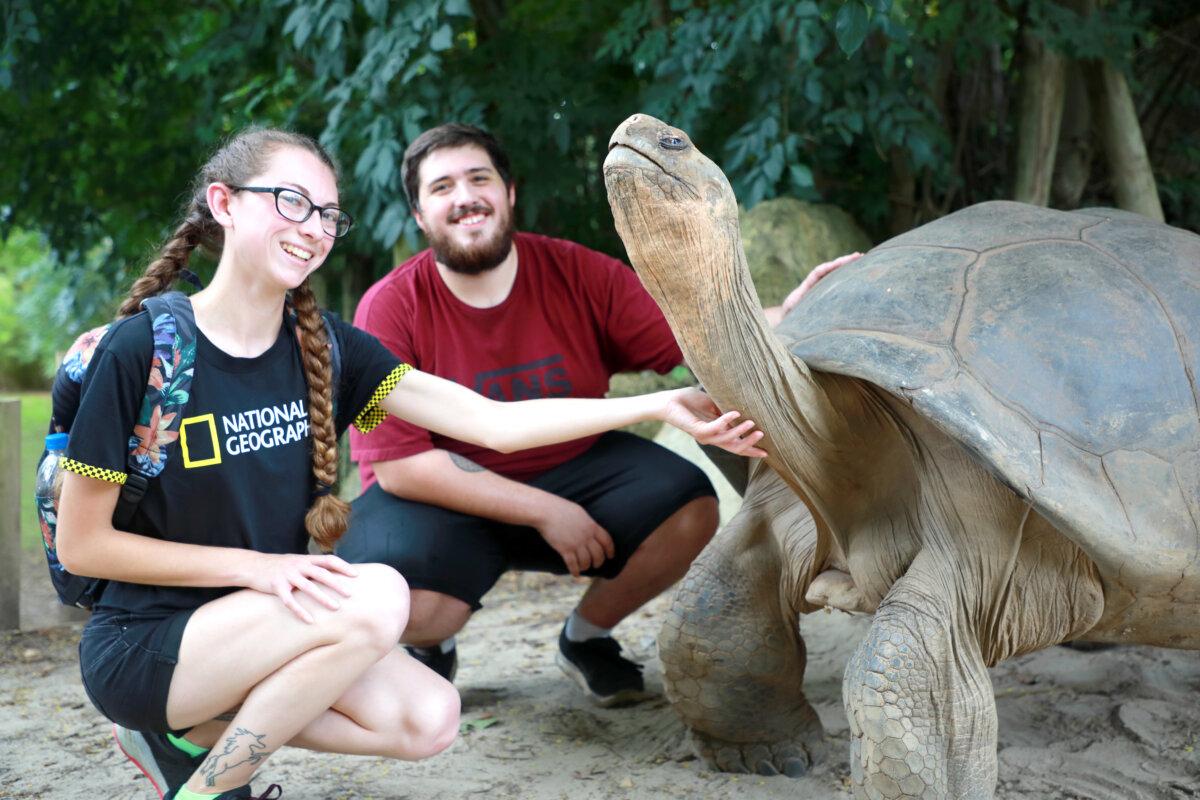
A student gets a hands-on learning experience. Some reptiles, like this Galapagos giant tortoise at Riverbanks Zoo & Garden in South Carolina, live to be more than 100 years old. (Courtesy of Riverbanks Zoo & Garden)
“We do a nature preschool, a lot of camps, a lot of schooling. I think if you can grab the kids and get them in a conservation mindset at a young age, they will grow up and take the reins from us and be able to do it a lot more. ... Getting them on the conservation path will do wonders for animal populations going forward,” Perron said.
The experience has changed over the years. Today it’s about creating immersive environments that allow greater freedom for animals—and a more natural setting in which to view them.
“When you think back to zoos 20 to 30 years ago, when you were thinking of animals in cages, well now it’s natural habitats, and people are realizing that animals in human care live longer lives,” Perron said.
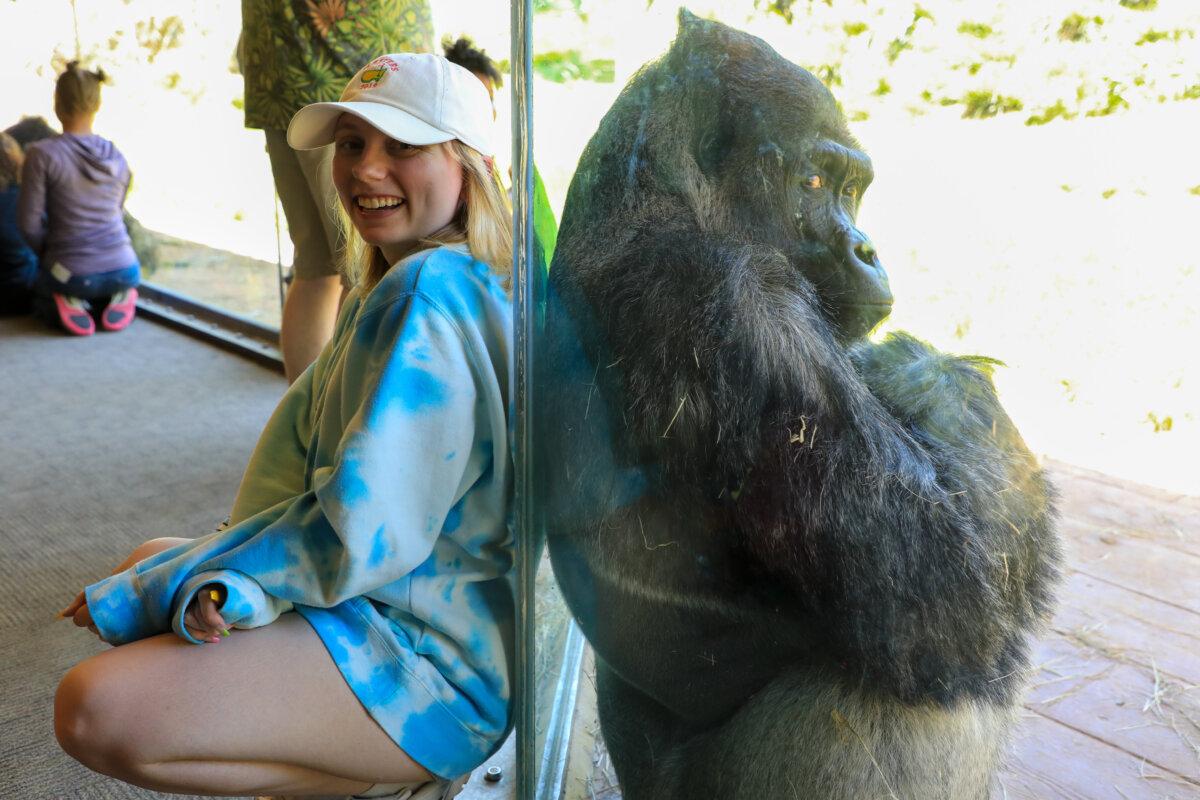
This photogenic ape strikes a pose with a young visitor at Riverbanks Zoo & Garden in Columbia, South Carolina. (Courtesy of Riverbanks Zoo & Garden)
He added that in a world where technology ties people to their phones, and children get excessive amounts of digital screen time, zoos and aquariums provide a healthy alternative—a real-world immersive experiences that expose visitors to the amazing animal kingdom.
“Being able to see the wonder in the summer camp kids’ faces when they get to go backstage and see things that not everyone gets to see is kind of why a lot of us are in it and enjoy it,” Perron said.
For Ashe, thinking about the next generation also means thinking about his own grandchildren.
“Seeing children, like my grandchildren, appreciate animals, you can see that sense of wonder awakening in them,” he said. “And it makes us all feel young again and inquisitive again in new ways. So children, of course, are a big part of the main audience of our member facilities.”
Ashe added that it’s also a responsibility, because young people are the future caretakers of wildlife.
“You’re building an ethic and an awareness in young people that the natural world is in your hands, that they’re going to be the ones that are going to determine the future for much of what we call biodiversity on the planet.”