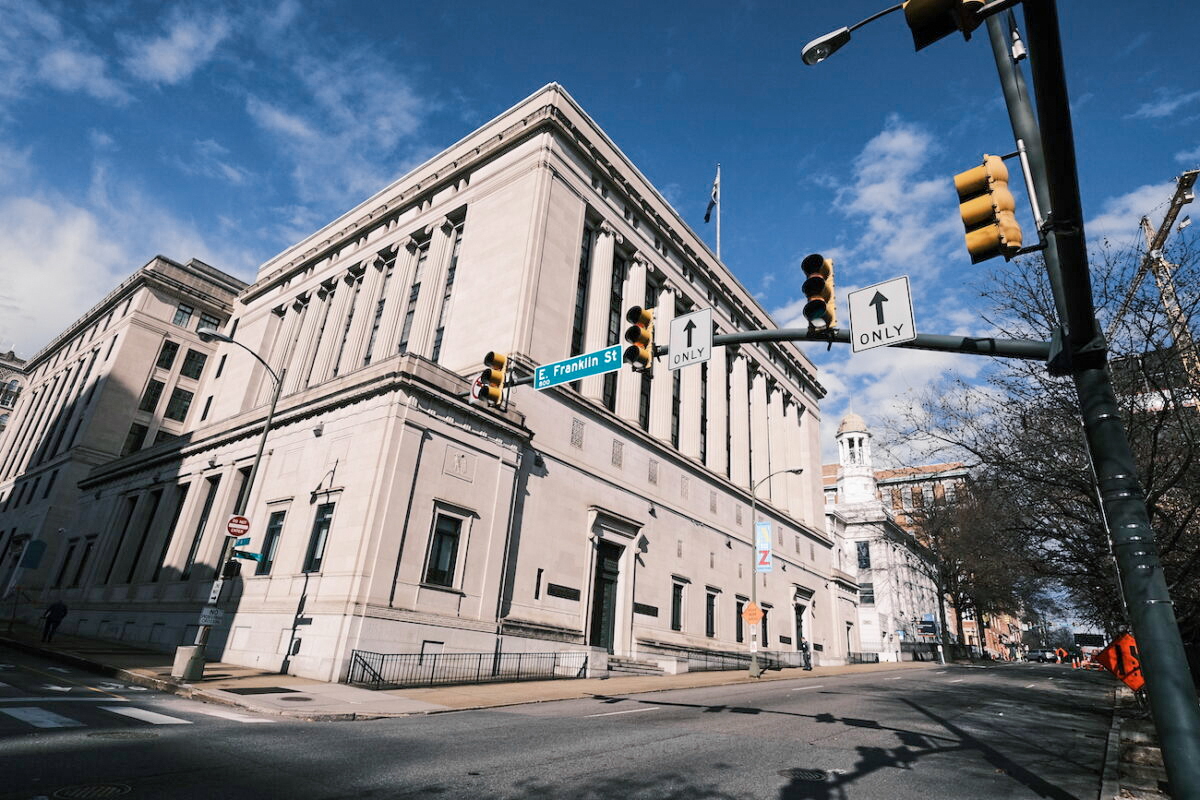

The Virginia Supreme Court denied a request by the state attorney general to strike a lower court’s ruling that blocked the certification of the state’s redistricting referendum outcome until the legal process concludes.
If certified, the redrawn map would favor Democrats in 10 out of 11 of the state’s congressional districts. Currently, the U.S. House makeup from the Old Dominion is six Democrats and five Republicans.
Virginia Attorney General Jay Jones filed the request on April 24 after Tazewell Circuit Court Judge Jack Hurley ruled April 22 that the state’s referendum, approved the day before by 51 percent to 49 percent of voters, was invalid.
The legal challenge to Virginia’s redistricting amendment was argued Monday before the state’s Supreme Court. Attorneys representing the Republican National Committee and the National Republican Congressional Committee told the court that Democratic lawmakers had violated Virginia’s constitution when placing the measure on the ballot.
The challengers said the referendum was rushed into the election cycle too late and didn’t meet the constitution’s rules, invalidating it.
Former Virginia Attorney General Ken Cuccinelli said the court’s decision to delay the referendum’s certification was a sign the justices were leaning toward finding the redistricting referendum unconstitutional.
“If [the Supreme Court] thought they would let the referendum stand, then logically they would have lifted the injunction on counting [and] certifying the votes,” Cuccinelli posted on X.
Democrats defending the referendum argued that the legislature complied with the constitution’s requirements and that the process was valid. Their argument relied on the interpretation of the term “election” and whether it referred to a specific day or the broader voting period.
The state’s constitution requires 90 days between the legislature’s final approval of the amendment and when the measure is put before voters. Democrats argued the deadline must be measured against Election Day, while Republicans claim it applies to the start of the broader voting period, including the mail-in voting that began on March 6.
Republicans also said that the referendum’s ballot wording about the purpose of the measure being “to restore fairness in the upcoming elections” was misleading.
The Virginia Attorney General’s office did not return a request for comment about the state Supreme Court’s ruling.
A national redistricting movement picked up steam this past week after Virginia’s contentious election, which was funded heavily with $38.8 million by the Democrats’ House Majority Forward Super PAC.
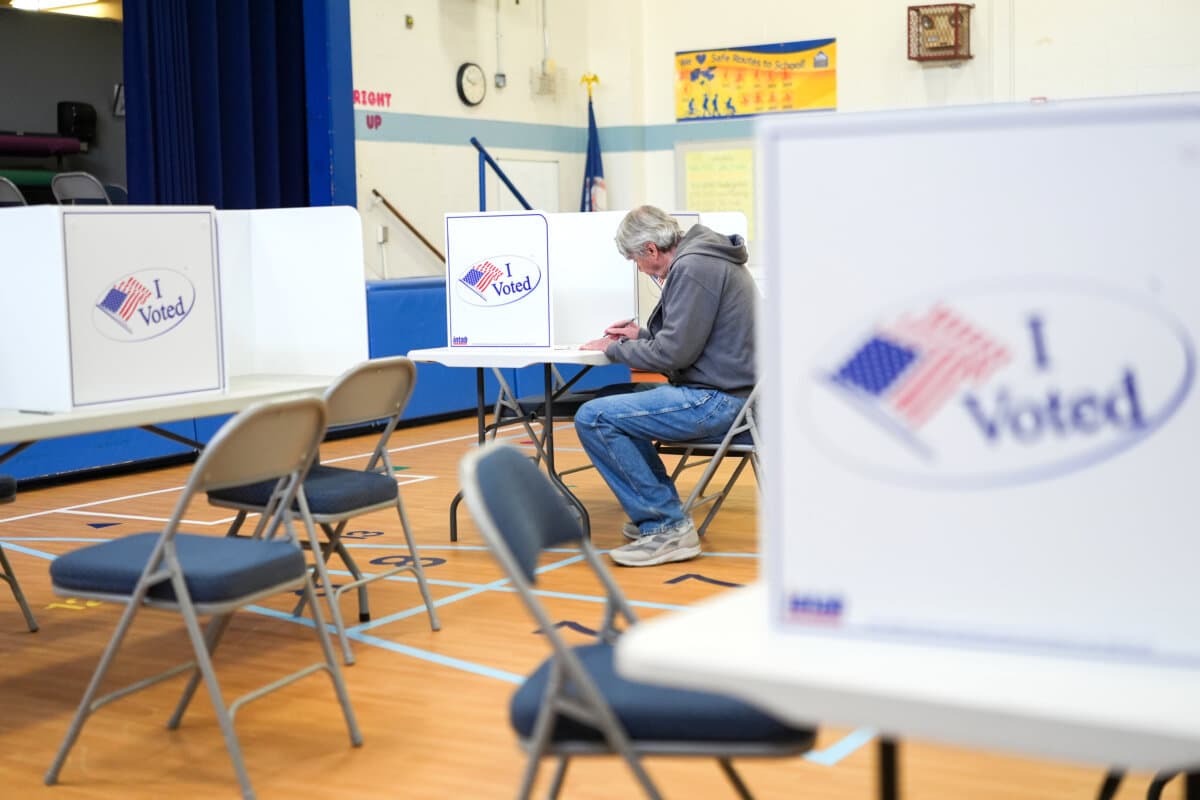
A person votes in the Virginia redistricting referendum at Lyles-Crouch Traditional Academy, in Alexandria, Va., on April 21, 2026. (Julia Demaree Nikhinson/AP Photo)
Following the Virginia results, the Florida Legislature convened a special session, where Gov. Ron DeSantis revealed a newly redrawn congressional map in his state to favor Republicans.
Mississippi Gov. Tate Reeves, a Republican, also announced a special session of the legislature to start three weeks after a decision is handed down from the U.S. Supreme Court on the Louisiana v. Callais case on race-based districting, which is expected sometime this summer.
The Supreme Court justices also reversed a lower court ruling on April 27, allowing Texas to implement its mid-decade redistricting of the state’s map that favors Republicans in five additional seats.
Last November, California voters approved redistricting that is likely to add five more Democratic House seats.
Reporter Tom Gantert contributed to this report.