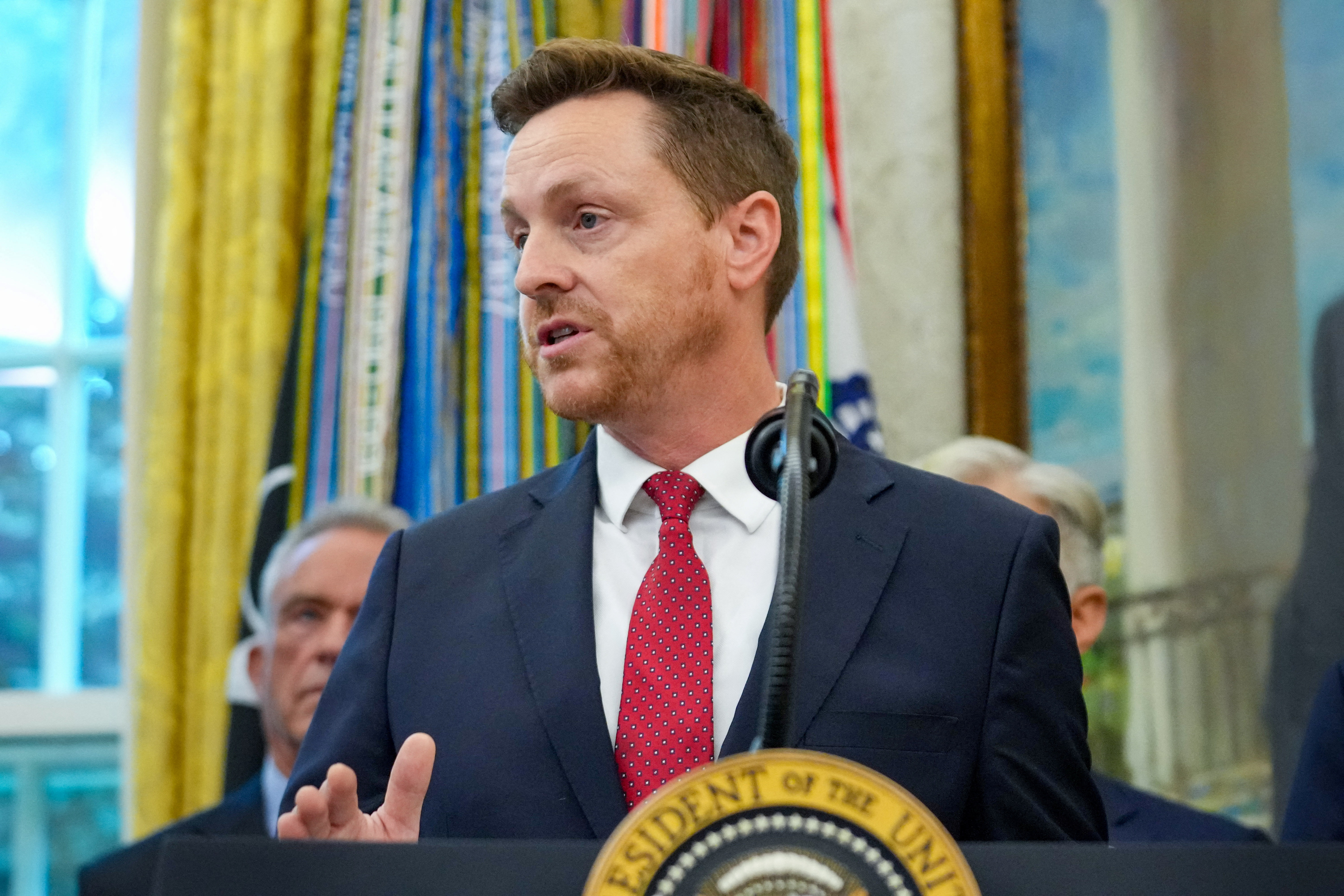


The U.S. government has begun talks with pharmaceutical companies to turn President Donald Trump’s Most Favored Nation drug pricing policy into permanent law, Chris Klomp, chief counselor at the Department of Health and Human Services, told reporters on March 19.
“We’re also beginning to read in pharmaceutical companies to help them understand the nature of the legislative text, to see if they can buy in, if there’s a version we might reach,” Klomp said.
Trump launched the Most Favored Nation policy in May 2025 to eliminate the pricing gap between the United States and other wealthy nations.
According to a July statement from the White House, Americans pay three times more for brand-name drugs than those in other developed nations, even after accounting for discounts that manufacturers provide in the United States.
In a July 31 letter to pharmaceutical companies, Trump offered tariff relief to those who agreed to comply with the new pricing standards.
The White House has reached agreements with 16 major drugmakers so far to reduce prices for the government’s Medicaid program and for cash payers.
On Feb. 24, Trump called for Congress to codify the pricing policy into law during his State of the Union Address. By transitioning it from an executive initiative to federal law, a future president could not simply overturn it with an executive order.
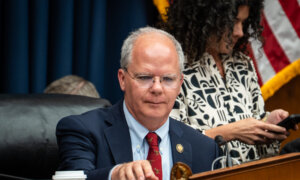
House Republicans and the White House are partnering to enact legislation based on Trump’s drug pricing policy, Rep. Brett Guthrie (R-Ky.), chairman of the House Energy and Commerce Committee, confirmed on March 17—indicating that his committee, which holds jurisdiction over the matter, is actively working on the issue.
Sen. Bill Cassidy (R-La.) told The Epoch Times on March 20 that he knew of no Senate group working on Most Favored Nation prescription pricing legislation.
Some drugmakers have said that the possibility of codifying the policy into law creates uncertainty for future business prospects.
“The specifics of these proposals and policies are evolving, and as a result, there is uncertainty as to how these and other potential legal and regulatory changes may impact our business,” Gilead Sciences wrote in a Feb. 24 filing with the Securities and Exchange Commission.
A dozen Democratic senators led by Sen. Ron Wyden (D-Ore.) sent a letter to colleagues on March 19, asking for their cooperation in reducing the cost of health care. Their outline for action focused on overturning Republican initiatives, simplifying health care, and taking on corporate greed, but did not mention prescription drug prices.
Nathan Worcester contributed to this report.