Minnesota is now the center of a major pandemic-era welfare-fraud investigation that has outraged taxpayers nationwide. Much of the alleged fraud involved Somali-led nonprofits, which has turned the case into a highly charged debate over eligibility, oversight, and political reluctance to act on early warnings.
Critics argue that state officials hesitated because they feared accusations of discrimination, while some of those charged have claimed they are being targeted unfairly.
We asked readers to weigh in on various aspects of the alleged welfare fraud in Minnesota.
We found near unanimous agreement that ethnicity and religion should not deter investigations of wrongdoing. Beyond that respondents had strong opinions on how to prevent similar instances of misconduct in the future.
Diversity Versus Oversight
Readers registered the strongest opinions on questions related to the impact of diversity, equity, and inclusion on the oversight of funding.
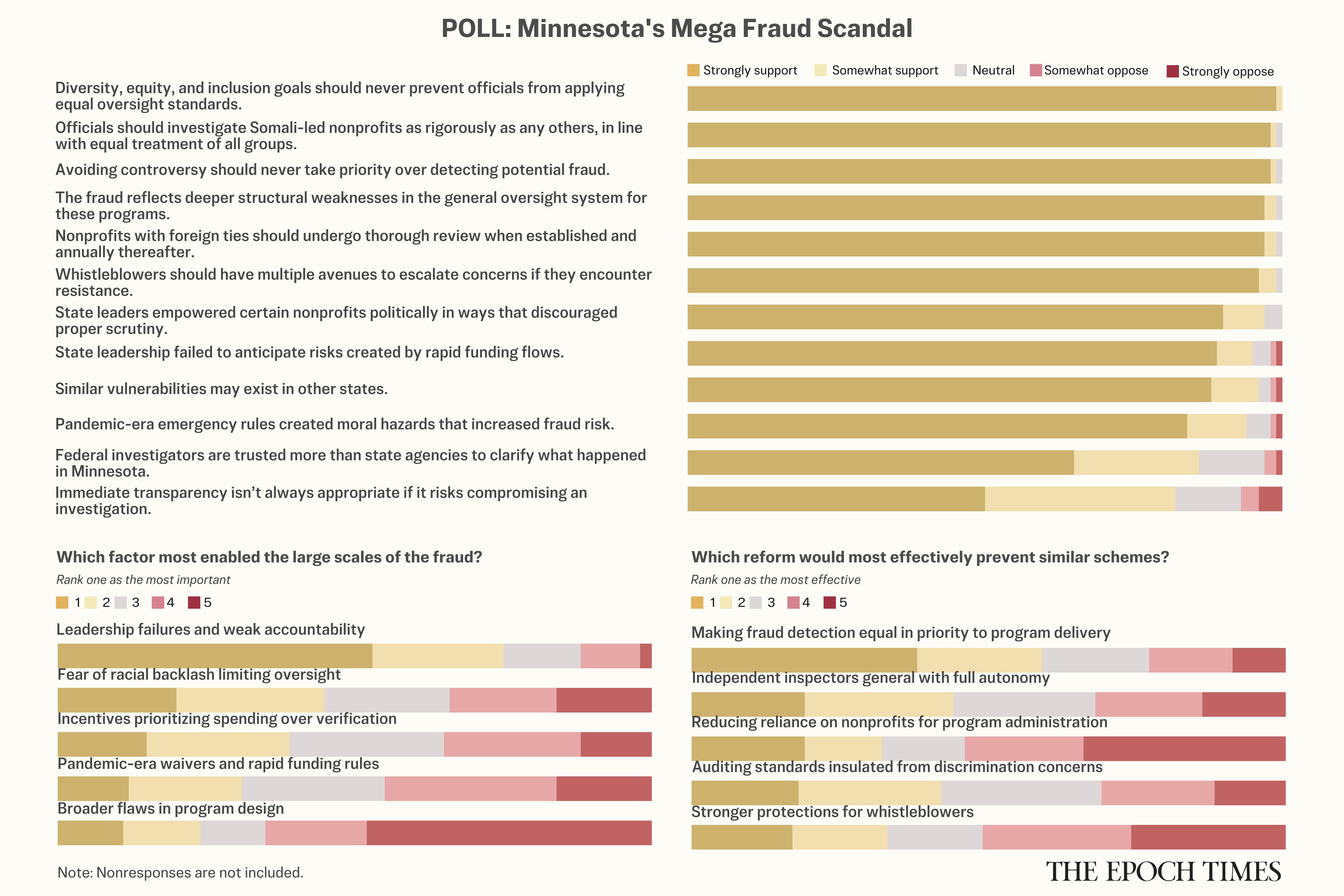
Readers were nearly unanimous in agreeing that diversity, equity, and inclusion goals should never prevent officials from applying equal oversight standards. Fully 99 percent strongly agreed.
Similarly, 99 percent agreed that officials should investigate Somali-led nonprofits as rigorously as any others, in line with equal treatment of all groups. Just 1 percent of respondents were neutral on the question.
Identical percentages of respondents agreed that avoiding controversy should never take priority over detecting potential fraud.
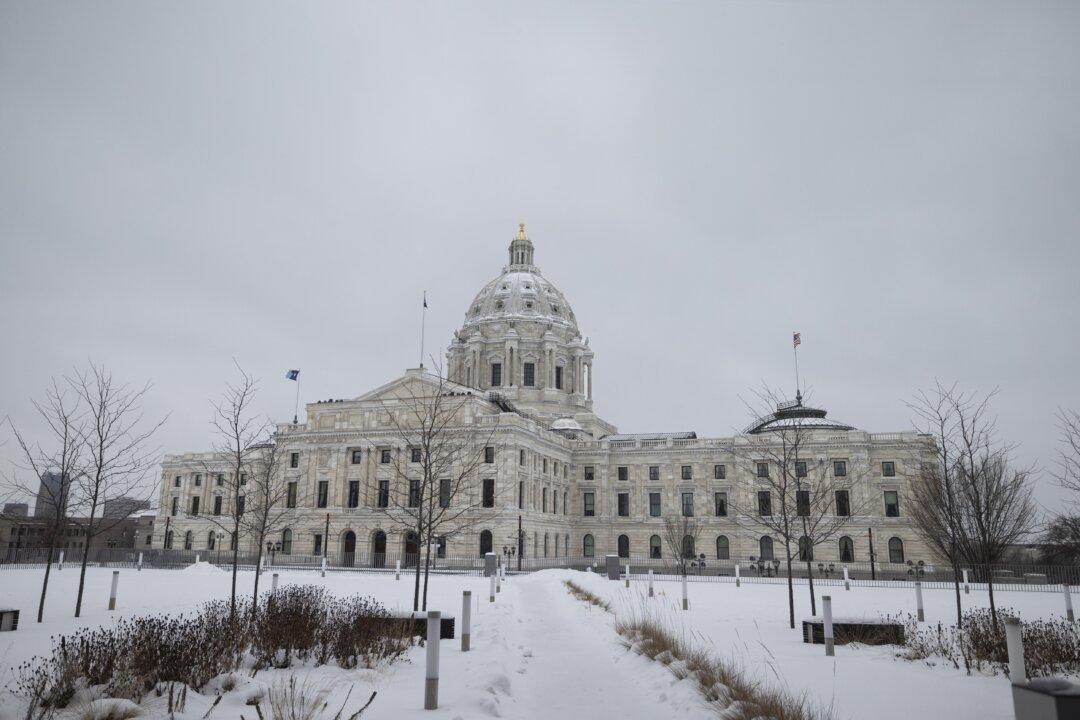
The Minnesota capitol building in St. Paul, Minn., on Dec. 8, 2025.(Jenn Ackerman for The Epoch Times)
Structural Weaknesses
Nearly all respondents (97 percent) strongly agreed that these instances of fraud reflect deeper, structural weaknesses in the general oversight system for the programs in question.
Ninety-nine percent agreed that nonprofits with foreign ties should undergo a thorough review when established and annually thereafter.
Meanwhile, 96 percent strongly agreed that whistleblowers should have multiple avenues to escalate concerns if they encounter resistance.
The number of respondents disagreeing with any of the propositions stated above registered less than 1 percent.
Root Causes
Digging deeper into the question of causation, we asked readers to consider the conditions that may contribute to fraud.
The vast majority of respondents (97 percent) agreed that state leaders empowered certain nonprofits politically in ways that discouraged proper scrutiny, with 90 percent strongly agreeing.
Ninety-five percent of respondents affirmed that state leadership failed to anticipate risks created by rapid funding flows, and 96 percent agreed that similar vulnerabilities may exist in other states.
Respondents laid some blame for the situation on pandemic-era emergency rules, as 94 percent agreed that those rules created moral hazards that increased fraud risk.
Respondents believed leadership failures and weak accountability were the leading contributors to the fraud, with 53 percent ranking that category first.
Limited oversight due to fear of racial backlash was ranked as the second leading factor.
Improper incentives, weak pandemic-era rules, and flaws in program design rounded out the list of contributing factors.
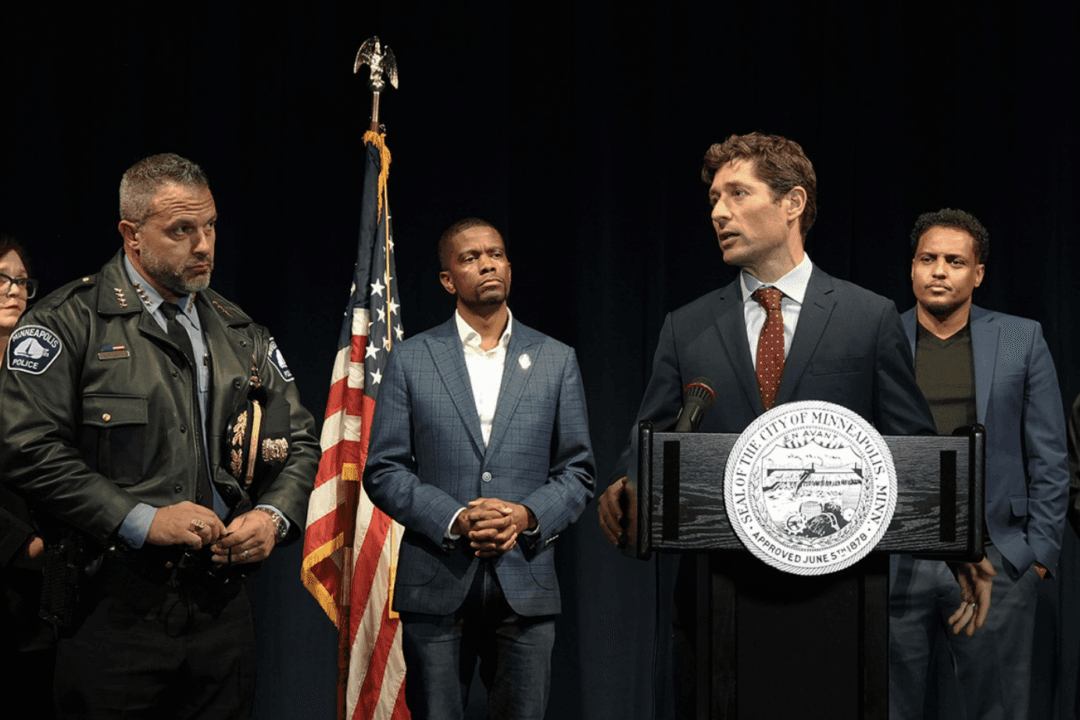
Minneapolis Mayor Jacob Frey speaks at the podium during a news conference defending the Somali community and expressing concern over imminent immigration enforcement, joined by Minneapolis Police Chief Brian O'Hara (L); Melvin Carter III, mayor of St. Paul, Minn. (2L), and Minneapolis City Councilman Jamal Osman (R), who describes himself as a Somali American, in Minneapolis on Dec. 2, 2025. (Courtesy of City of Minneapolis, Minneapolismn.gov)
Investigation
Our poll respondents evinced some caution on how to proceed with the investigation of the Minnesota incident.
The majority (86 percent) affirmed that federal investigators are trusted more than state agencies to clarify what happened in Minnesota. Sixty-five percent strongly affirmed that idea. Ten percent were neutral on the question, and just 3 percent disagreed.
Eighty-two percent of respondents agreed that immediate transparency isn’t always appropriate if it risks compromising an investigation. Half (50 percent) strongly agreed.
Reforms
A plurality of respondents (38 percent) said the most effective reform strategy would be making fraud detection equal in priority to program delivery.
Readers ranked other reforms as about equally important: independent inspectors general (19 percent), reducing reliance on nonprofit organizations to administer public programs (19 percent), insulating auditing standards from concern about discrimination (18 percent), and ensuring stronger protections for whistleblowers (17 percent).
This reader survey was conducted by The Epoch Times on Dec. 10–11, 2025, via email and social media and received 19,359 responses.