
Britain has announced sanctions on two China-based cybersecurity firms, accusing them of engaging in malicious cyber activities that target the UK and its allies.
The Labour government blacklisted Sichuan Anxun Information Technology, or i-Soon, because of its role in targeting more than 80 government and private business networks worldwide and offering support to others planning to conduct cyberespionage, the British Foreign Office said in a statement on Dec. 9.
The sanction also applied to Integrity Technology Group Inc., a Beijing-based tech company accused of running “a covert cyber network” and facilitating cyberattacks carried out by other actors.
The office said the two targeted firms exemplified the threats posed by the Chinese cyber industry, which also includes data brokers who gather and sell personal data, and “hackers for hire.” It added that some of these companies offer cyber services to the Chinese regime’s intelligence community.
U.S. officials have previously linked Integrity Technology to the Chinese regime’s Ministry of State Security. In January, U.S. authorities sanctioned the company for providing infrastructure for a Chinese regime-backed hacking group, known to the private sector as Flax Typhoon, between the summer of 2022 and the fall of 2023.
Flax Typhoon has successfully infiltrated multiple government agencies, telecommunications providers, media groups, universities, and companies in the United States and other countries, according to the U.S. State Department.
The campaign was also responsible for a botnet that corrupted more than 200,000 devices around the world, including small home and office routers, cameras, and video recorders, for use in malicious cyber activity, according to the U.S. Department of Justice.
Similarly, i-Soon faced accusations from the U.S. government for its global hacking efforts. In March, U.S. authorities charged eight individuals associated with i-Soon, along with two Chinese law enforcement officials, for their involvement in a years-long hacking campaign to steal data from their foreign targets.
Victims of its operations include U.S. government agencies such as the Defense Intelligence Agency and the Commerce Department, as well as the foreign ministries of Taiwan, India, South Korea, and Indonesia. It also targeted dissident and religious groups deemed threats by the Chinese Communist Party (CCP).
The Epoch Times is also among the victims.
An indictment, unsealed by a federal court in Manhattan at the time, described i-Soon as “a key player” in the CCP’s “hacker-for-hire ecosystem.” The State Department offered a reward of up to $10 million for information on i-Soon and its employees.

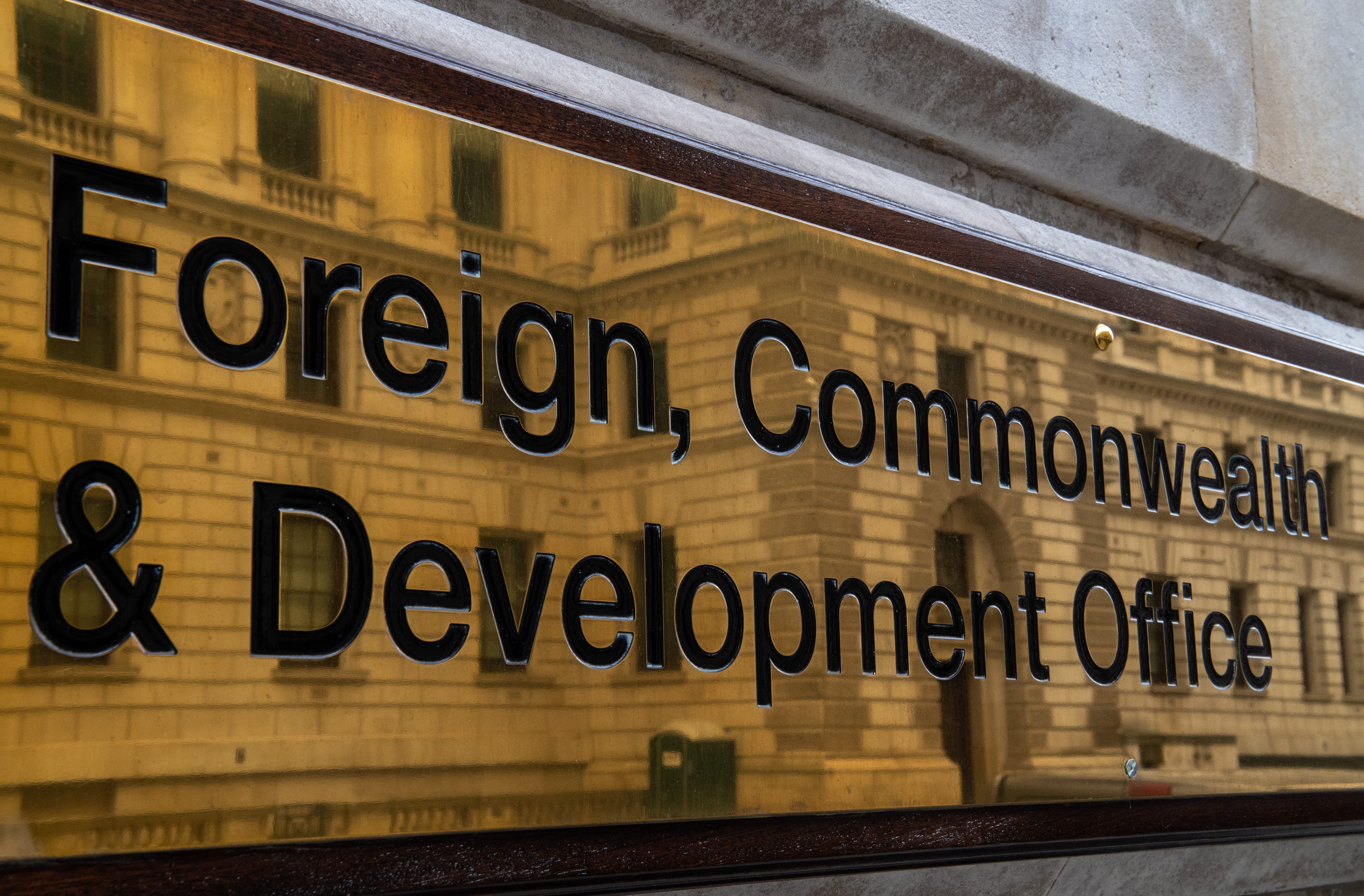
British Foreign Secretary Yvette Cooper speaks at an event marking the 100th anniversary of the Locarno Treaties at the Foreign, Commonwealth, and Development Office in London on Dec. 9, 2025. (Jaimi Joy - WPA Pool/Getty Images)
Speaking in London on Dec. 9, British Foreign Secretary Yvette Cooper said the cyberattacks, such as the two Chinese cyber companies conducted, “impact our collective security and our public services, yet those responsible operate with little regard for who or what they target.”
By imposing sanctions, Cooper said the government wants to ensure that “such reckless activity does not go unchecked.”
“And our message to those who would harm us is clear—we see you in the shadows; we know what you are doing, and we will defend ourselves and the international partnerships on which we depend,” she said.
The CCP has voiced opposition to Britain’s targeting of two Chinese companies.
In a show of solidarity, Australia said on Dec. 10 that it shared Britain’s concerns about the increasing malicious cyber activity, including by information security firms that have ties to Chinese authorities.
“These malicious activities threaten the stability and predictability of cyberspace and have wide-ranging implications for victims and their networks,” Australia’s foreign ministry said in a statement.
“Australia will continue to stand with our international partners in opposing malicious cyber activities. We call on all states and cyber actors to act responsibly in cyberspace.”
Eva Fu and Catherine Yang contributed to this report.