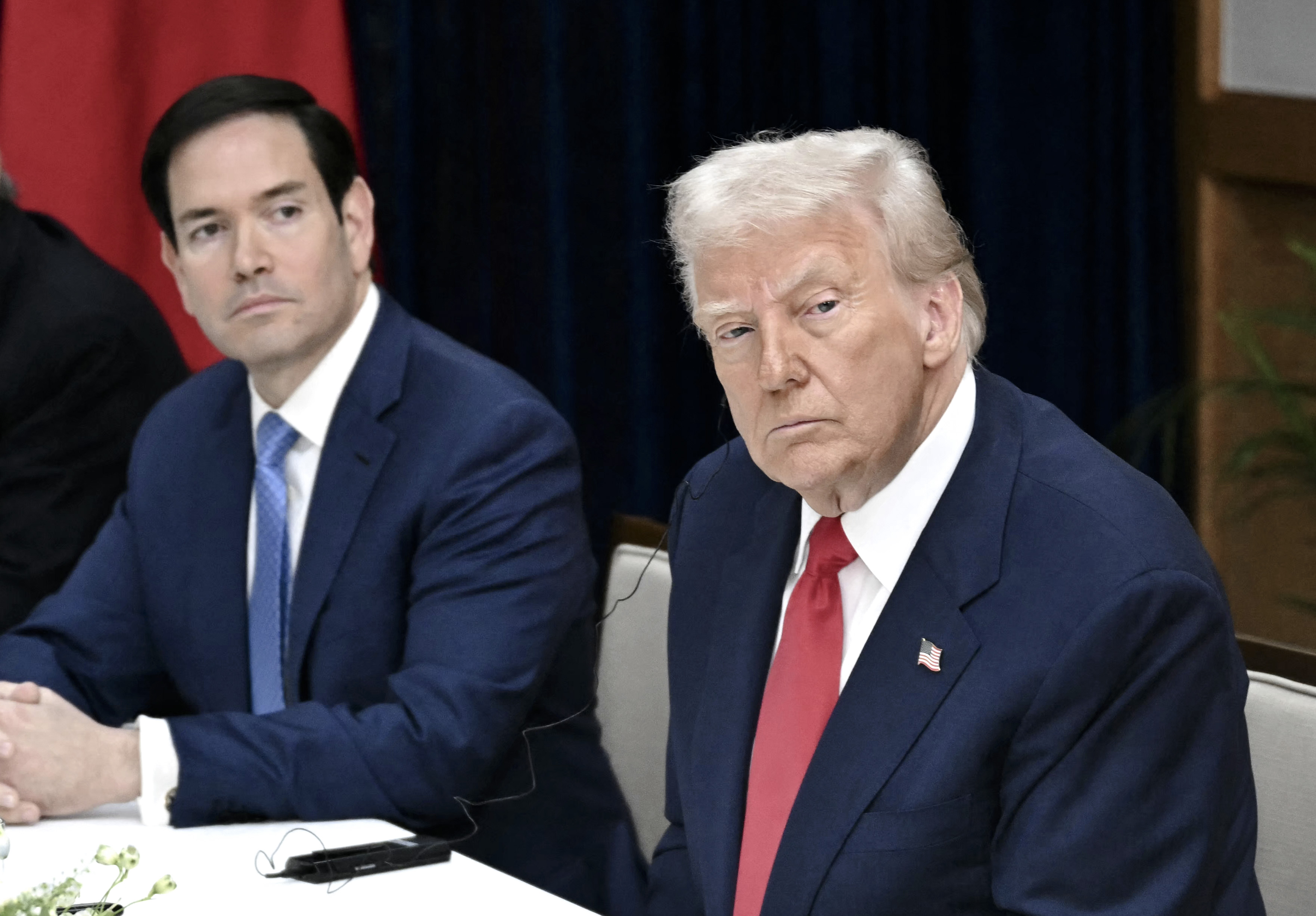

As President Donald Trump prepares for his first visit to China since 2017, tensions surrounding Iran and the Strait of Hormuz have moved to the center of the agenda, according to insiders familiar with preparations for the summit.
Trump is scheduled to visit Beijing from May 14 to 15 for talks with Chinese leader Xi Jinping amid growing tensions over trade, Taiwan, and regional security. According to multiple insiders in Beijing, the worsening crisis surrounding Iran and the Strait of Hormuz has unexpectedly transformed the summit from a trade-focused meeting into a broader negotiation on global energy security and geopolitical stability.
“The issue is not just the conflict in the Middle East,” a Beijing-based insider from within the Chinese Communist Party (CCP) told The Epoch Times. “This has become a question of global energy transportation and communications security.”
The sources who spoke to the publication declined to provide their names due to security concerns and potential reprisal by authorities.
Iran Emerges as Central Focus
The Beijing-based insider said that Trump originally intended to use the visit to advance trade negotiations, including expanding Chinese purchases of U.S. agricultural goods, Boeing aircraft, and energy products, and to extend a temporary pause in the trade war between the two countries.
However, roughly 10 days ago, the insider said that China had received a notice from U.S. officials urging Beijing to prioritize discussions on the Strait of Hormuz and Iran’s regional posture.
In response to queries from The Epoch Times, the White House did not confirm the insider’s claims.
A China-based scholar in international affairs told The Epoch Times that the United States views China as having more leverage over Tehran than it publicly acknowledges. China remains Iran’s largest oil customer, purchasing more than 90 percent of Iran’s oil exports, according to the Treasury Department.
White House officials told reporters on May 10 that Trump is expected to press Xi directly on Beijing’s economic and technological support for Iran and Russia.
“The president has spoken multiple times with General Secretary Xi Jinping about the topic of Iran and about the topic of Russia, to include the revenue that China provides to both those regimes,” a senior Trump administration official said.
Beijing has denied providing military assistance to Iran. Still, it has been increasingly scrutinized for its growing logistical and energy ties with Iran and Russia, including rail-based trade corridors that bypass Western-controlled maritime routes.
One incident that heightened tensions occurred on April 19, when U.S. forces intercepted and seized an Iranian-flagged cargo vessel in the Gulf of Oman. The vessel was allegedly en route from Zhuhai, China, to Iran, carrying materials linked to Tehran’s ballistic missile program.
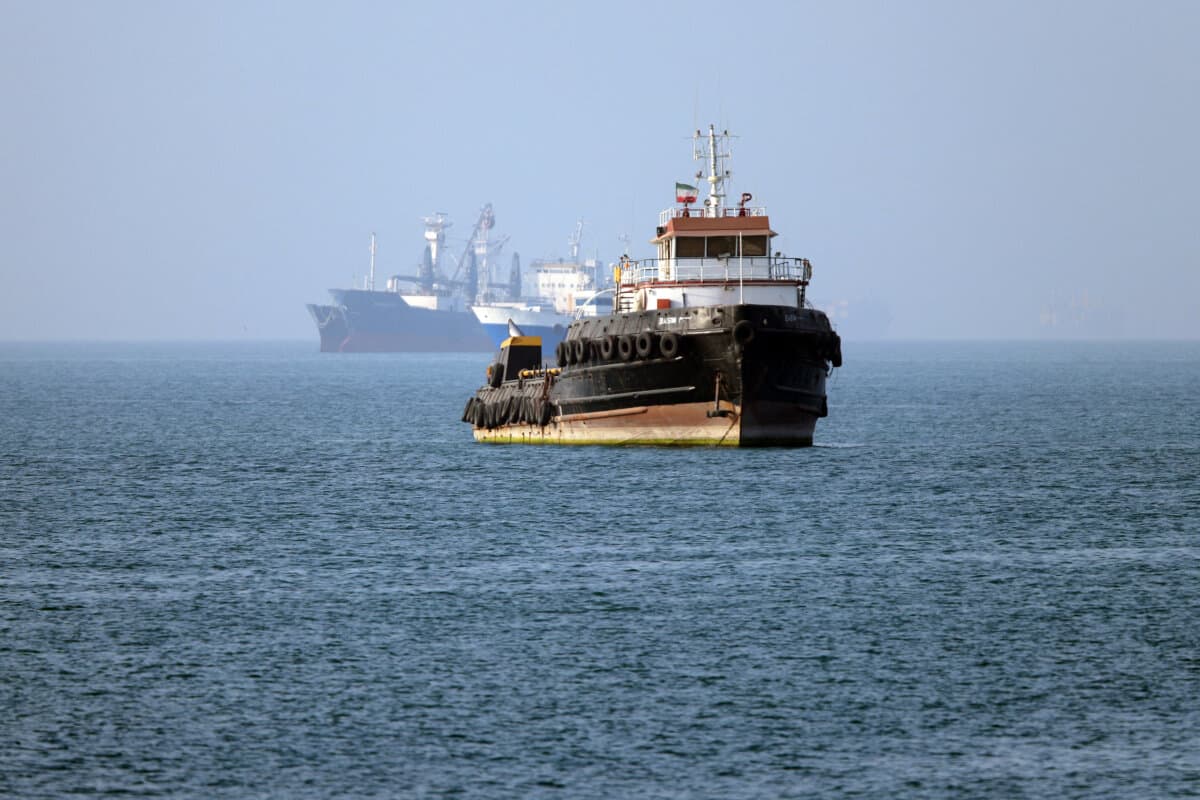
The Iran-flagged tugboat Basim sails near a ship anchored in the Strait of Hormuz off Bandar Abbas in southern Iran, in this picture obtained from Iran's ISNA news agency on May 4, 2026. (Amirhossein Khorgooei/ISNA/AFP via Getty Images)
From the Strait of Hormuz to the Taiwan Strait
An insider from the CCP’s foreign affairs establishment told The Epoch Times that Beijing also recognizes that the Iran crisis is increasingly intertwined with the broader U.S.–China relationship.
The insider described the upcoming summit as a negotiation shaped by “two straits”: the Strait of Hormuz and the Taiwan Strait.
“The United States wants China to use its influence over Tehran to prevent the Middle East crisis from escalating,” the insider said. “Meanwhile, Beijing hopes to use the talks to secure clearer U.S. assurances on Taiwan.”
Taiwan is expected to remain one of the summit’s most sensitive topics, according to the insider. Beijing has sharply criticized continued U.S. arms sales and political support for Taiwan, while increasing military pressure around the island through large-scale military drills.
Taiwanese Foreign Minister Lin Chia-lung indicated that Washington’s policy toward Taiwan is not expected to change.
The evolving negotiations also reflect shifting leverage between the two powers. While the United States continues to dominate advanced semiconductor and artificial intelligence technologies, China still controls much of the world’s rare-earth refining capacity—a strategic advantage Beijing has increasingly leveraged in trade negotiations.
However, the Trump administration is accelerating efforts to build rare-earth supply chains independent of China’s.
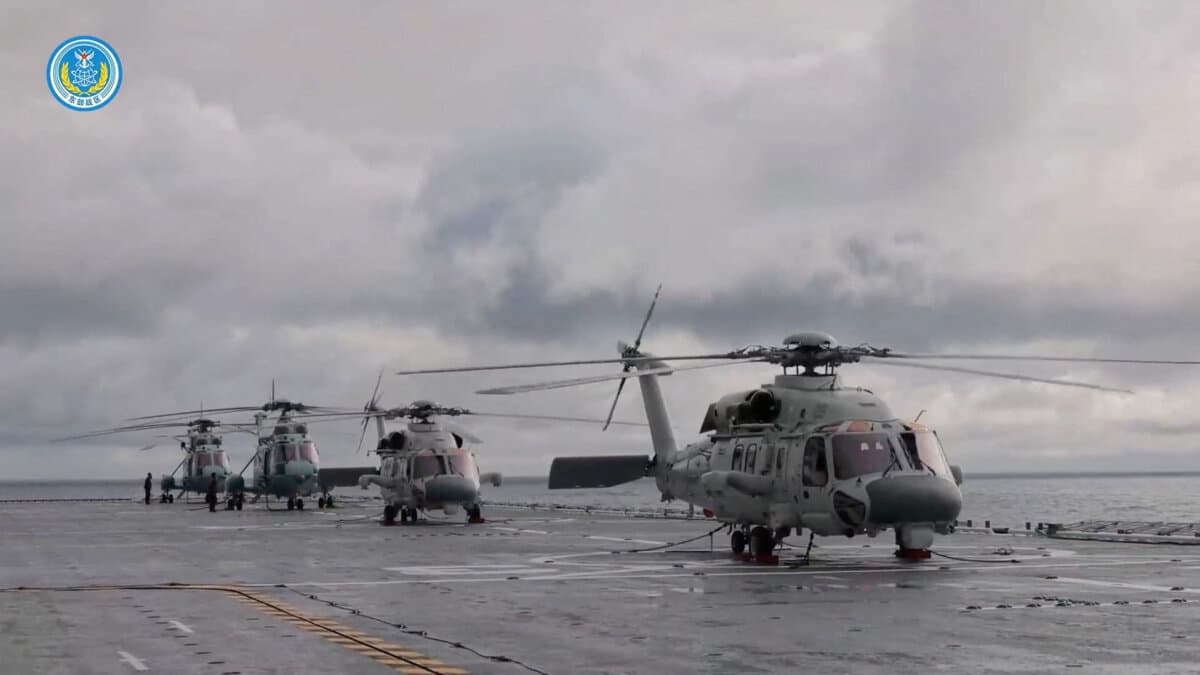
Helicopters on an amphibious assault ship take part in military drills in waters southeast of Taiwan, in this screenshot from a video released by the Eastern Theater Command of China's People's Liberation Army (PLA), on Dec. 29, 2025. (Eastern Theater Command/Handout via Reuters)
Trade, Technology, and Security
Despite the geopolitical tensions, economic issues remain central to the summit.
A White House official told reporters during a May 10 call that China is expected to announce new purchases of Boeing aircraft and other investments during Trump’s visit. Both sides are also discussing mechanisms to formalize trade management and investment coordination between the world’s two largest economies.
White House spokesperson Anna Kelly said on the same call that the two sides will also discuss establishing a board of trade and a board of investment to manage bilateral trade and investment.
The leaders are also expected to discuss extending the current trade-war truce, which has allowed rare-earth minerals to continue flowing from China to the United States.
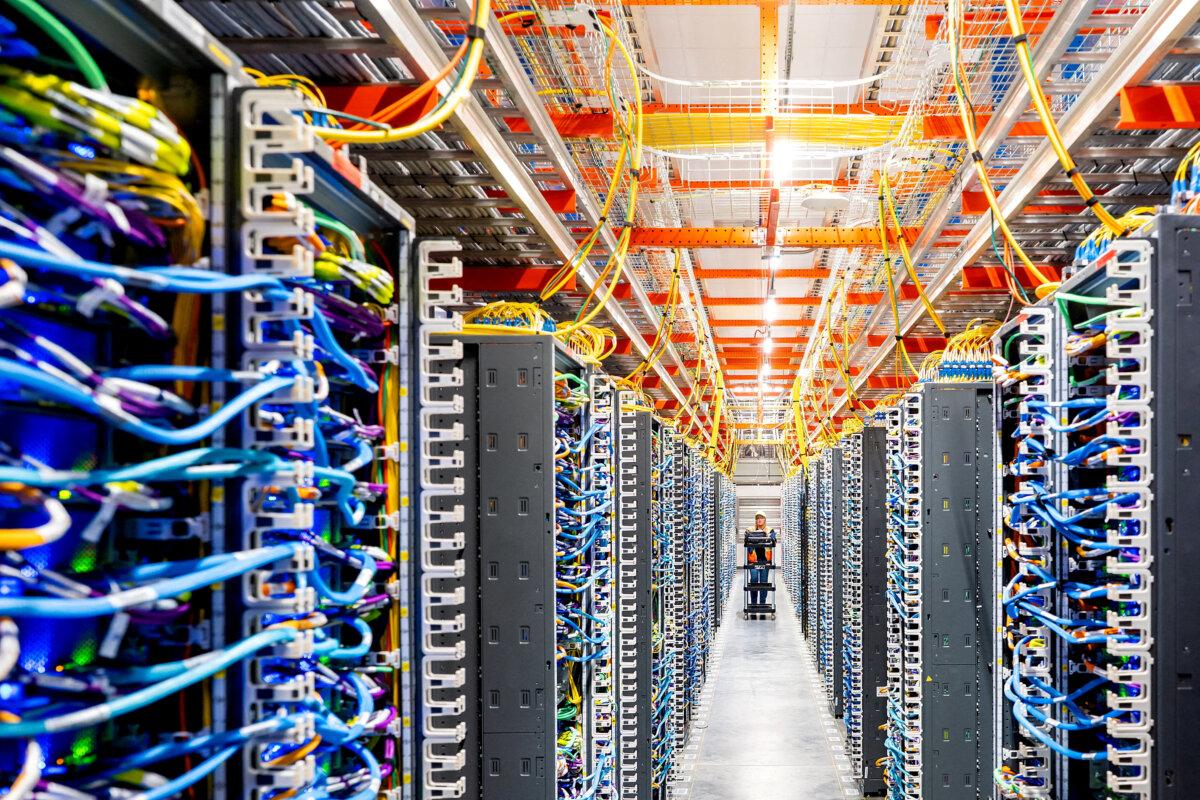
A technician works at an Amazon Web Services AI data center in New Carlisle, Ind., on Oct. 2, 2025. (Noah Berger for AWS/Reuters)
A Tightly Managed Diplomatic Rollout
The summit’s unusually compressed public rollout has fueled speculation about last-minute behind-the-scenes negotiations, according to an insider familiar with Beijing’s diplomatic preparations who spoke with The Epoch Times.
China’s foreign ministry did not formally announce Trump’s itinerary until May 11, only days before his arrival—a notable contrast to Trump’s 2017 Beijing visit, which was publicized roughly a week in advance.
According to the insider, some details of the visit remained unsettled until late in the process, including lodging arrangements and portions of the meeting schedule.
Under the current itinerary, Trump will arrive in Beijing on Wednesday evening. He is scheduled to attend a welcome ceremony on Thursday morning before meeting Xi. Trump will later visit the Temple of Heaven and attend a state banquet. On Friday, the two leaders are expected to hold a tea meeting and a working lunch before Trump departs China.
The meetings in Beijing will mark the first face-to-face talks between Trump and Xi in more than six months, as both countries seek to manage tensions across a widening range of economic and geopolitical issues.
Hu Ying and Zhang Ting contributed to this report.