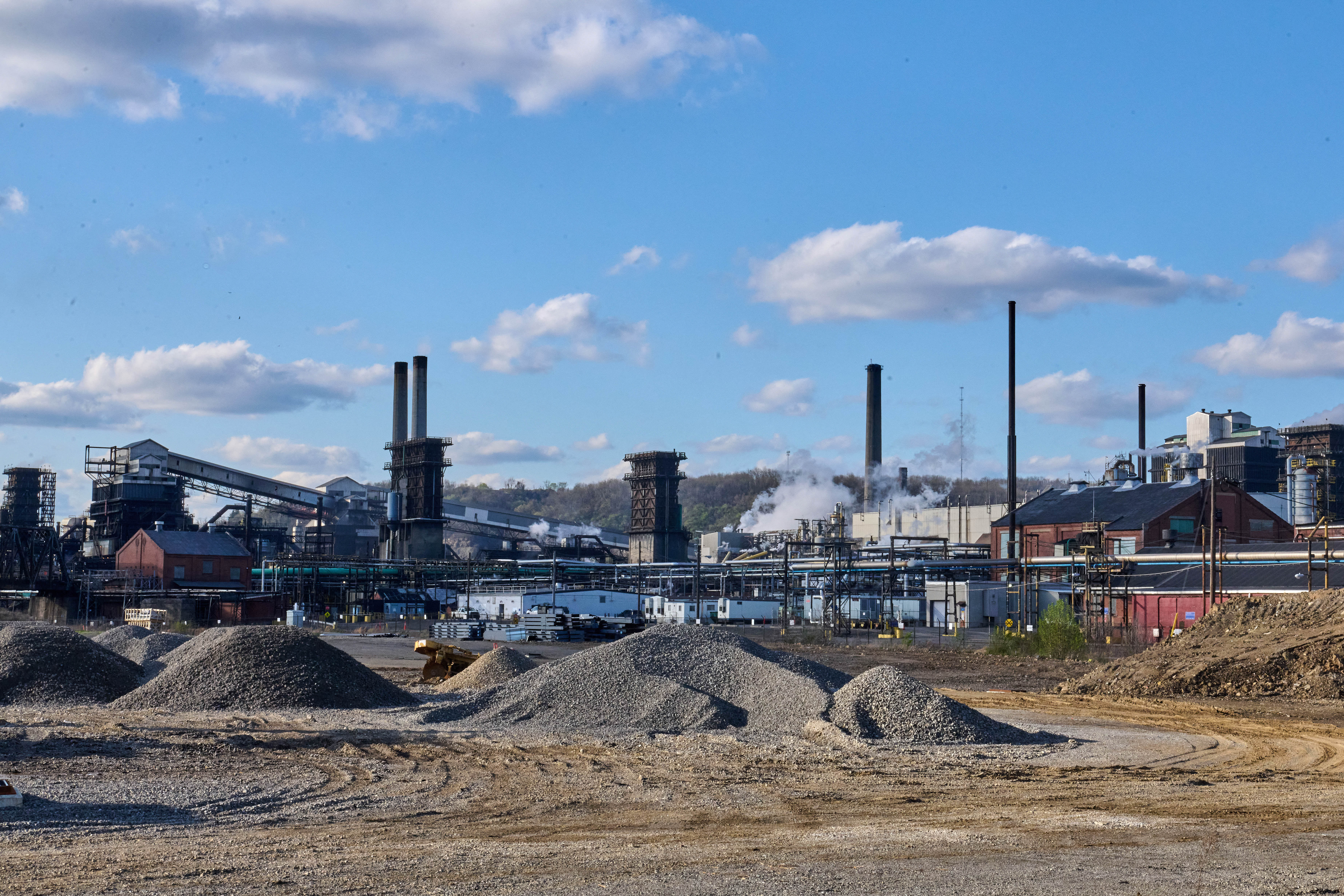

WASHINGTON—President Donald Trump signed an executive order on April 2 to simplify calculations for steel, aluminum, and copper tariffs and to mitigate efforts to avoid import taxes.
The new order defines how the value of metals is assessed, imposing 50 percent levies on the U.S. price of goods sold for raw materials and 25 percent on products containing at least 15 percent of affected metals.
Stricter guidelines were needed because some wholesalers and exporters were artificially lowering the stated value of goods to reduce tariff liability, administration officials told reporters during a background call on April 2.
“So, it’s now going to be proper and fair,” the official said.
Products containing tariffed metals were previously subject to complex calculations to determine the appropriate rate, based on the amount of metal contained. The new order applies the tariff to the product’s value, intended to stop manufacturers from dodging fees.
New regulations are meant to bolster domestic manufacturing. Once a major player in the steel industry, the United States lagged behind other nations, particularly China, in recent decades.
“We were becoming subservient to others who made steel,” the official said, noting China’s recently announced export license requirement for steel. “They are thinking of weaponizing steel.”
Trump began using levies to strengthen U.S. manufacturing industries during his first term in office. Officials set a goal of producing 80 percent of the metals needed for domestic manufacturing.
According to the order, tariffs helped push U.S. aluminum capacity utilization to more than 50 percent in 2026 from about 39 percent in 2017, with steel rising to 77 percent from 72 percent over the same period.
The president also signed an order imposing 100 percent tariffs on patented pharmaceutical drugs.
He adjusted tariff regulations on the first anniversary of “Liberation Day,” when he imposed global levies under the International Emergency Economic Powers Act (IEEPA) during a White House ceremony.
Administration officials celebrated the trade strategies’ successes, citing more than 20 deals, improved trade deficits, trillions of dollars committed to investing in U.S. businesses, and lower drug prices for Americans.
“One year ago today, President Trump threw away the illusions of ‘free trade’ to finally put Americans and America First,” White House spokesman Kush Desai said in a statement. “And this is just the beginning of the president’s transformation of global trade: As these investment and trade deals continue taking effect, and more get signed, Americans can count on the best being yet to come.”
In February, the Supreme Court ruled that Trump exceeded his authority when he invoked IEEPA to impose the global tariffs. After the ruling, the Trump administration imposed a temporary tariff of 10 percent on most imports instead.
U.S. trade officials have said they are conducting investigations into alleged unfair trade practices by trading partners to determine if the United States can enact new tariffs under different legal authorities.