
The House on Feb. 24 rejected a Senate bill that intended to prevent future midair collisions, such as the one over Washington’s Potomac River last year, by mandating the use of key location transmitting technology on all aircraft operating near busy airports.
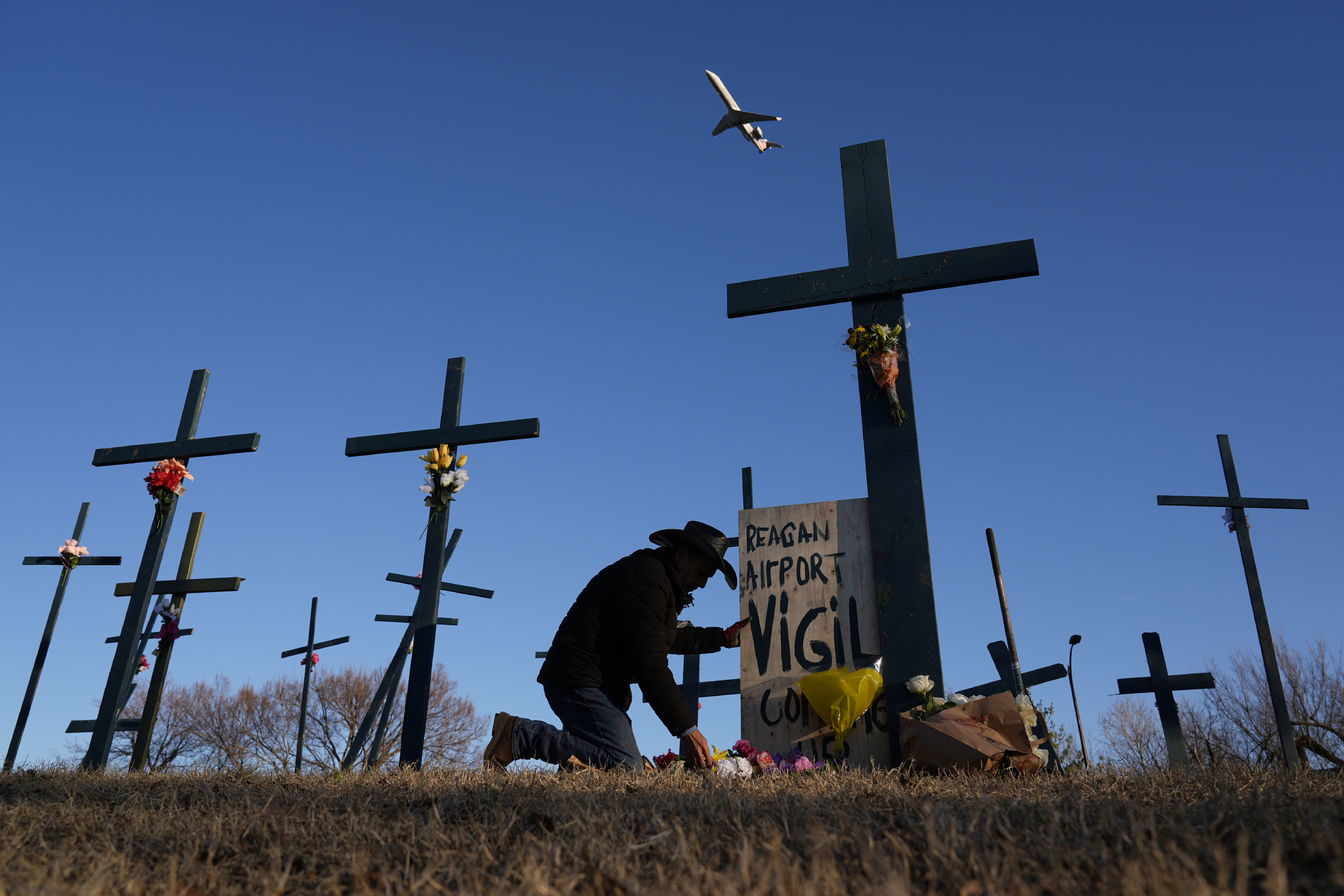
That January 2025 crash between a regional jet and an Army Black Hawk helicopter killed all 67 people on board both aircraft. In response, the National Transportation Safety Board (NTSB) renewed its calls for implementing Automatic Dependent Surveillance-Broadcast (ADS-B) systems in all aircraft, which the agency has been recommending since 2008.
In response, Senate Commerce Committee Chairman Ted Cruz (R-Texas) crafted the Rotorcraft Operations Transparency and Oversight Reform (ROTOR) Act to require most planes to install and use ADS-B, including military aircraft when they operate outside of sensitive missions.
Neither aircraft involved in last year’s midair collision had that location transmitting technology in operation at the time of the crash.
The NTSB determined that ADS-B had been turned off on the Army helicopter, and the Federal Aviation Administration had not approved the use of that technology in the CRJ700 jet.
Although the Senate unanimously passed Cruz’s ROTOR Act in December 2025, the House needed more than two-thirds support to pass it under a fast-track process and ultimately came slightly short, voting 264–133 on Feb. 24.
NTSB Chair Jennifer Homendy has said ADS-B would have prevented the midair collision, noting that the technology could have alerted the CRJ700 pilot 59 seconds before impact and the helicopter crew 48 seconds before impact.
“How many more people need to die for us to decide that action needs to be taken?” Homendy told reporters on Feb. 24.
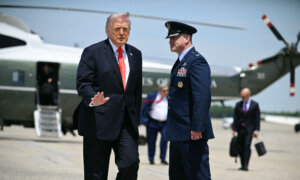
Although the Pentagon had supported Cruz’s legislation in December 2025, the Department of War issued a statement on Feb. 23 saying that the Senate version of the bill “does not reflect several of the mutually discussed updates.”
“As currently drafted, enactment would create significant unresolved budgetary burdens and operational security risks affecting national defense activities,” the statement reads.
“The Department remains ready to continue productive dialogue with Congress to ensure the legislation achieves its safety goals while protecting essential operational capabilities and resources.”
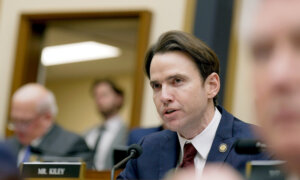
House Transportation and Infrastructure Committee Chairman Sam Graves (R-Mo.) said he will continue working with the families of the victims of last year’s crash, along with the Senate, to address the NTSB’s safety concerns over the collision.
A separate House bill—aimed at addressing all 50 of the NTSB’s recommendations—could be taken up by the committee as soon as next week, he said.
However, Homendy criticized the House bill and said it does not adequately address the NTSB’s concerns.
House Armed Services Committee Chairman Mike Rogers (R-Ala.) has national security concerns over the ROTOR Act, but has said some military aircraft should be required to transmit ADS-B in busy civilian airspace.
There is also uncertainty about the cost of mandating ADS-B on most aircraft. Questions remain about the financial impacts, as the technology has not yet been designed for every plane and aircraft, including some flown by private pilots.
American Airlines has equipped more than 300 of its fleet of Airbus A321s at a cost of roughly $50,000 per plane, and general aviation pilots can use a portable receiver that costs roughly $400 and connects to an iPad, Homendy told Congress.
The Associated Press and Reuters contributed to this report.