

In the 19th century, the U.S. Army sends battle-weary Capt. Nathan Algren (Tom Cruise) to Japan to train militia meant to suppress a samurai rebellion against Japan’s young emperor. He’s captured by samurai leader Katsumoto (Ken Watanabe); Algren discovers the rebels just want to protect tradition, not unseat the emperor.
The samurai tradition of seppuku embodies loyalty; such warriors would rather die by their own hand than betray their lord. Samurai means “to serve.”
Katsumoto’s quarrel is with manipulative courtiers who are egging the emperor on to Westernize for profit and power, without pause or nuance. Algren and Katsumoto develop an initially grudging, then growing, respect for the other’s values.
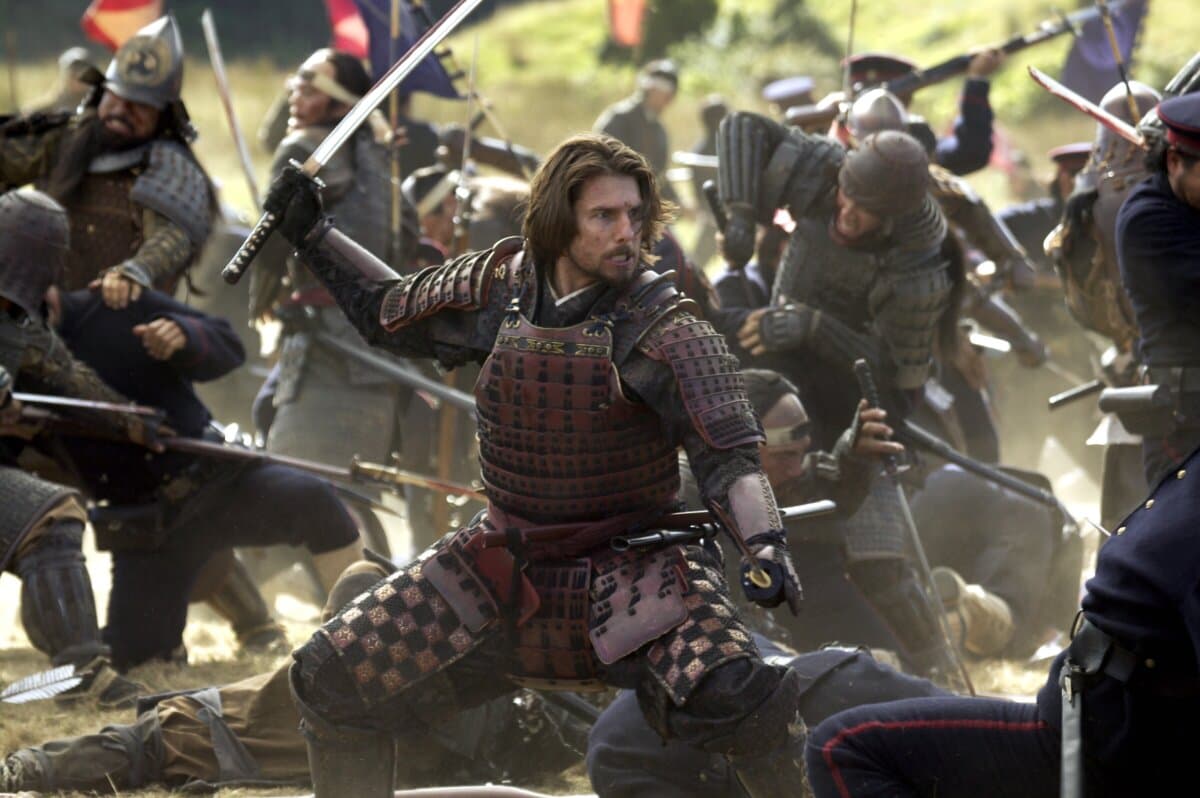
Nathan Algren (Tom Cruise), in “The Last Samurai.” (Warner Bros./MovieStillsDB)
Algren overcomes his alcoholism and soldierly shame. Together, they try to get the naive emperor to shrug off his craven courtiers. When Algren sees an inscription on a samurai sword, he asks Katsumoto what it means. He says it symbolizes the warrior in which the old ways have joined the new.
Cultures worldwide can point to instances of suicide from shame, but only a handful of East-Asian cultures institutionalized it.
Like seppuku in Japan, the scourge of the Sati suicide ritual—the burning of living widows on the funeral pyres of their deceased husbands—survived for centuries in India. Just as seppuku supposedly signified a samurai’s loyalty to his lord, sati supposedly signified a wife’s loyalty to her husband. But that is false. Allowing or abetting suicide merely dresses up vice as virtue.
Lessons for Everyone
This film shows how culture shapes dispositions to defeat, with lessons for everyone, not just warriors.
Sati was abolished by the West, seppuku by the East. Today, seppuku survives as a cultural relic, only hinting at the values it was meant to signify: loyalty, honor, self-sacrifice. Those are Western values but, as Algren shows, the West practices them differently.
Katsumoto’s hot-headed samurai aide Ujio (Hiroyuki Sanada) takes on Algren in a mock duel that’s anything but. It isn’t friendly sparring. Ujio’s out to hurt and humiliate.
Though they brandish sticks, not swords, the battering and bruises are real. Ujio wins, but he flies into a rage. Algren, beaten down each time, doesn’t stay down. Algren’s culture taught him that there’s no shame in losing; if there is any shame, it’s in not rising again. That grates against Ujio’s code of greeting loss with irrevocable shame. Still, he can’t help but secretly admire Algren.
Algren admires the Japanese too, especially their pursuit of perfection. But perfection isn’t a destination that you either reach or don’t; it’s a journey. To expect perfection in every outcome betrays a conceit that can’t bear failure; this is as much a part of the human condition as success.
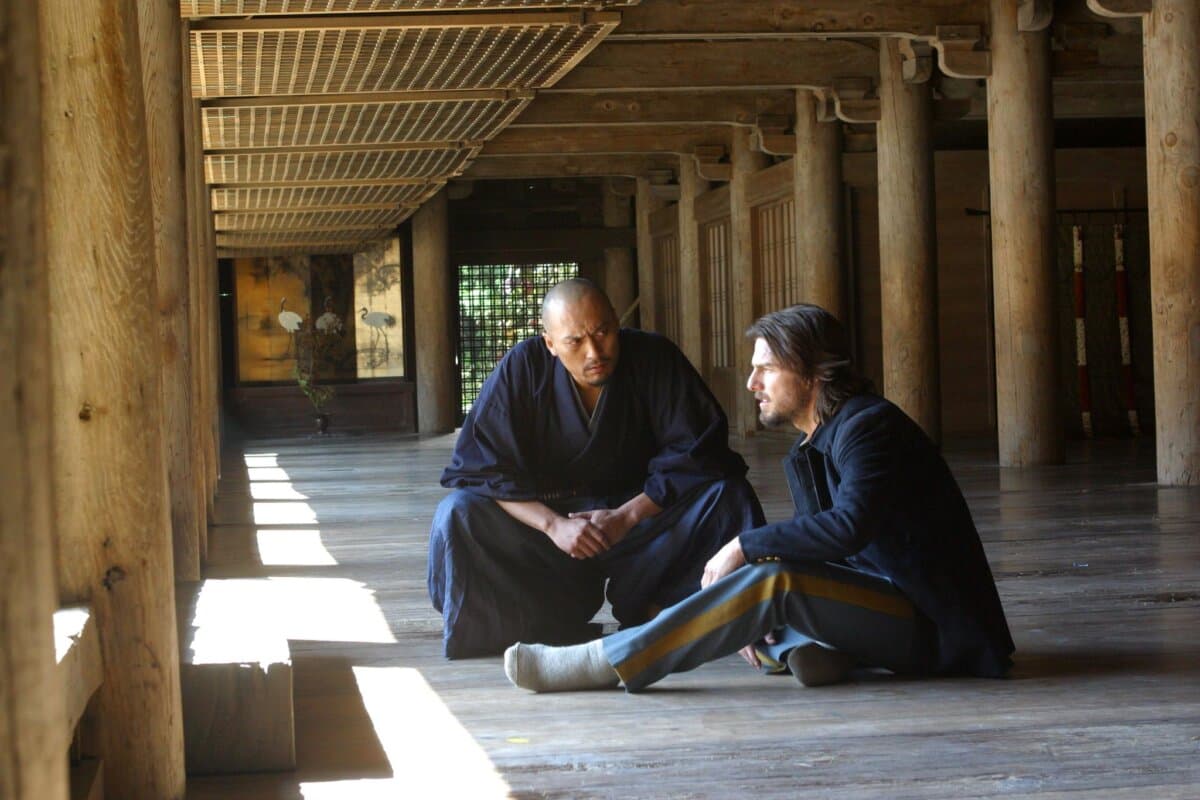
Katsumoto (Ken Watanabe, L) and Nathan Algren (Tom Cruise), in “The Last Samurai." (Warner Bros.)
Katsumoto hints at this. He says the perfect flower blossom is rare: “You could spend your life looking for one, and it would not be a wasted life.” Although he utters this with apparent profundity, its meaning at first escapes him.
Giving Up
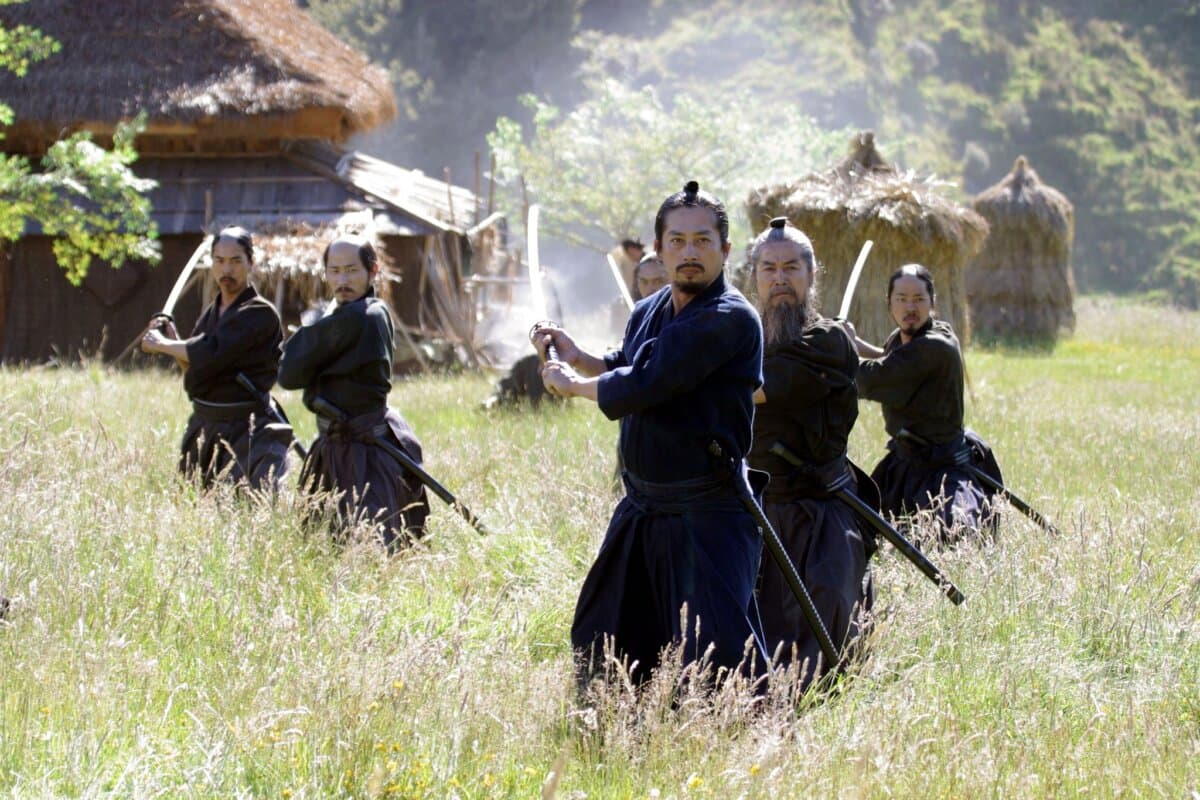
Ujio (Hiroyuki Sanada, C), in “The Last Samurai.” (Warner Bros.)
Suicide, then, is a closing of the eyes, a refusal to keep looking, a giving up, a giving in. Algren’s ashamed for being party to death and destruction in America. He figures he deserves to be mocked, and he’ll happily get drunk if that will hurry things along. He feels dishonorable; this is a version of himself he’d rather kill. Except, he doesn’t. Alive, he’s open to second chances.
Katsumoto is ashamed to be challenging the emperor, to whom he’s sworn loyalty. He fingers his scabbard, contemplating seppuku. He, too, feels dishonorable. Except he wants to kill himself, not just the version of himself that swore fealty. If he goes through with it, he’ll be dead to second chances.
Katsumoto’s widowed sister, Taka, finds some of Algren’s Western sensibilities endearing. When Algren helps her carry a heavy load, she chides him, “Japanese men do not help with this.” Algren replies, “I’m not Japanese.”
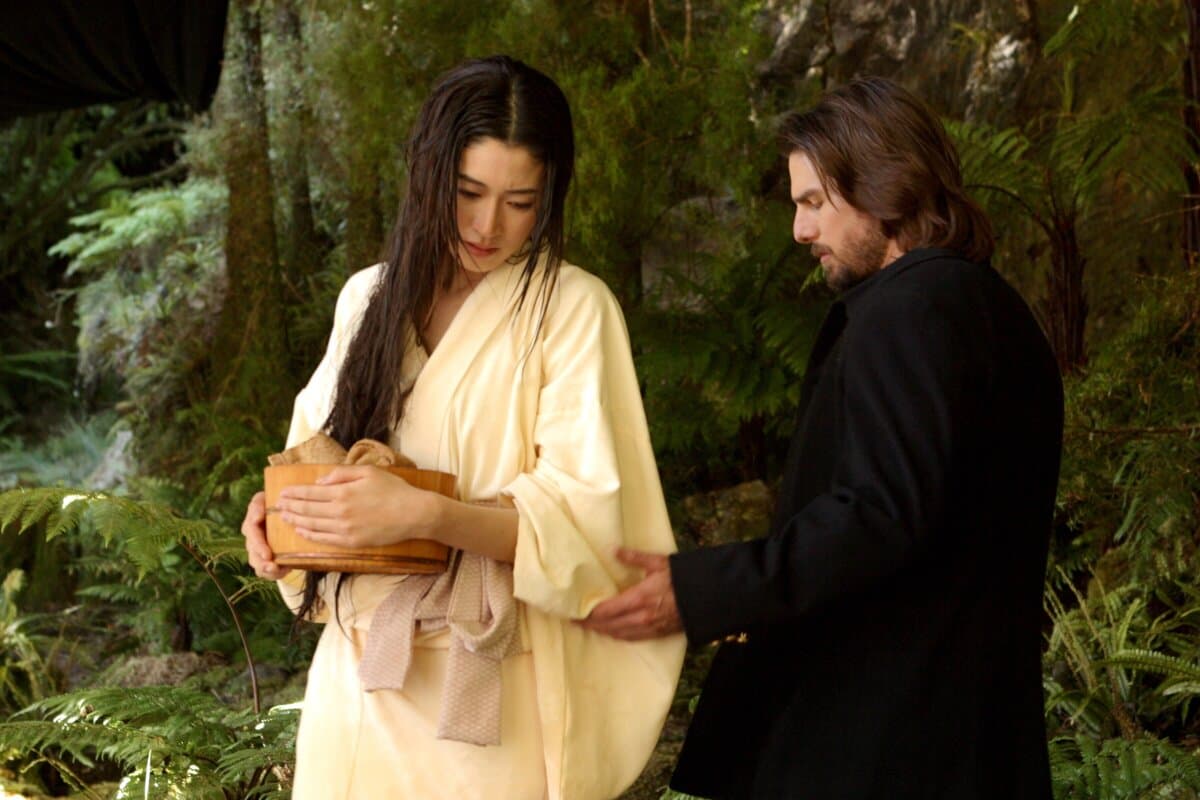
Taka (Koyuki) and Nathan Algren (Tom Cruise), in “The Last Samurai.” (Warner Bros./MovieStillsDB)
That difference spills onto the battlefield. Dying in battle, Algren suggests, is not the same as killing yourself while fighting. The soldier who dies still wanting to fight, lifts his sword (or gun) in hope in a tribute to life; the soldier who kills himself lifts his in despair in a tribute to death. One knows defeat isn’t permanent. The other believes it is.
Algren seems to say that suicide is not martyrdom. Martyrdom may be patriotic, but suicide never is.
For all the Japanese warrior’s eloquence in paying homage to honor, the final line in the movie tells you where the American warrior’s priorities lie: Dying honorably matters, but living honorably matters infinitely more.
Check the Internet Movie Database website for plot summary, cast, reviews, and ratings. You can watch “The Last Samurai” on HBOMax, MGM+ and Starz.
These reflective articles may interest parents, caretakers, or educators of young adults, seeking great movies to watch together or recommend. They’re about films that, when viewed thoughtfully, nudge young people to be better versions of themselves.
What arts and culture topics would you like us to cover? Please email ideas or feedback to features@epochtimes.nyc.