

Why Hand Numbness Matters More Than You Think
Peripheral neuropathy refers to damage in the nerves outside the brain and spinal cord, and it most commonly affects the hands and feet. For people with diabetes, it is one of the most widespread complications—a review published in April shows that at least half of all people with diabetes will eventually develop diabetic neuropathy.
Central Nervous System: the brain and spinal cord
Peripheral Nervous System: all nerves running to the limbs and organs
High blood sugar can cause microvascular damage—harm to the small blood vessels—Dr. Annie Wu, an attending neurologist at New York-Presbyterian Queens Hospital, noted on NTD’s “Health 1+1” program. NTD is a sister outlet of The Epoch Times.
A Warning Sign You Can’t Ignore
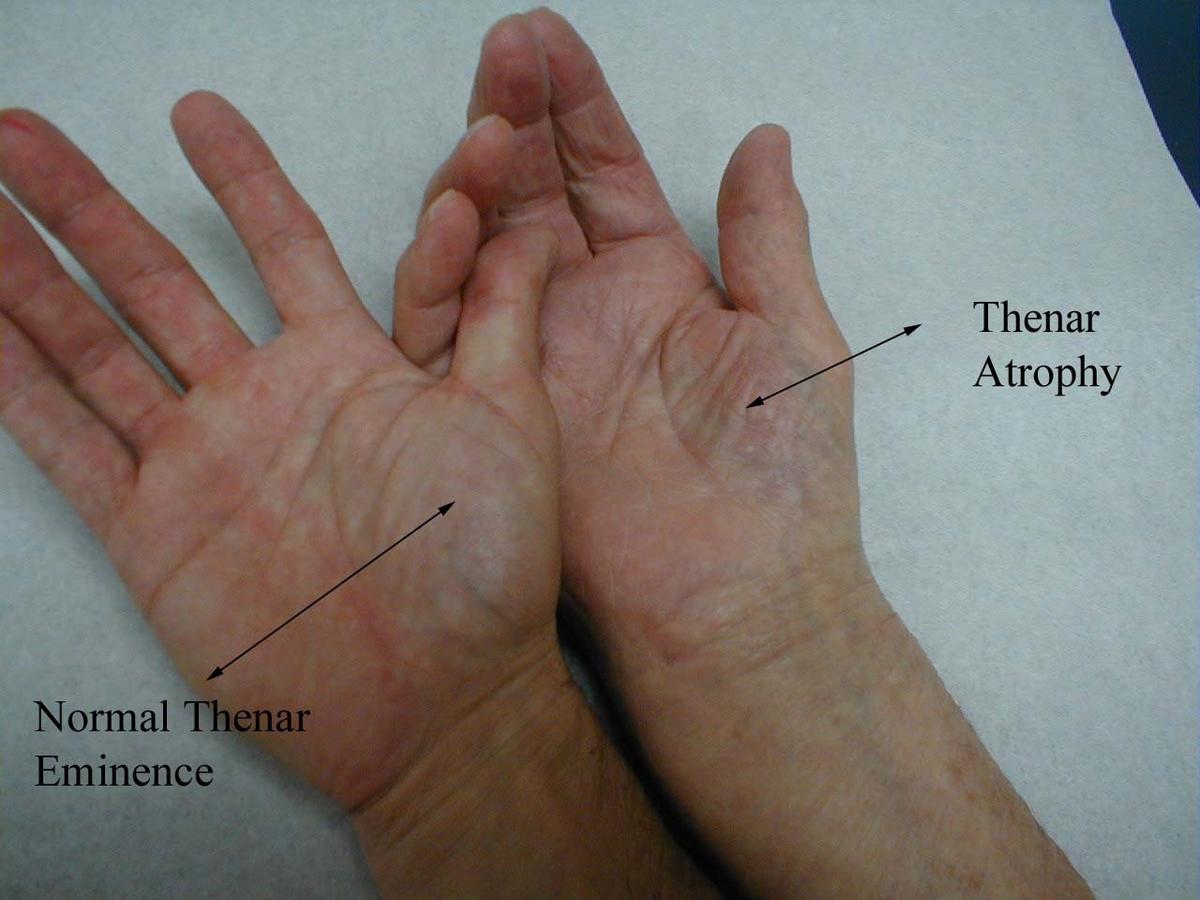
Wu shared the case of a 74-year-old patient who had lived with diabetes for more than a decade. Neuropathy had caused his hand muscles to atrophy. In a healthy person, the thenar eminence—the muscle pad beneath the thumb—appears raised and full, but in his case, it had become sunken, leaving his hand weak and numb.
Carpal Tunnel Syndrome: A Common Culprit
One common cause of hand numbness is compression of the median nerve at the wrist, a condition known as carpal tunnel syndrome. A 2016 systematic review found that people with diabetes are more likely to develop this condition.
Simple Hand Exercises to Support Nerve Health
Wu recommends two simple exercises for people experiencing hand numbness. These movements can help strengthen the thumb muscles, protect the hand’s nerves, and may improve mild peripheral neuropathy.
Grip Ball Exercise: Place a soft, elastic ball in your palm and squeeze it repeatedly. This exercise strengthens the thumb muscles and can help manage muscle atrophy caused by neuropathy.
Wrist Stretch: Make a fist, then fully open your hand and gently bend your wrist backward. This exercise helps stretch the nerves and reduce pressure on the median nerve.
Diagnosis and Treatment of Neuropathy
When assessing neuropathy, clinicians test a patient’s sensitivity to pinprick, light touch, and temperature. They may also use a mild electrical current to stimulate the nerves and analyze the resulting waveforms to determine the presence and severity of nerve damage.
Recognizing Symptoms of Diabetic Neuropathy
In people with diabetes, peripheral neuropathy often begins in the feet. The following symptoms may indicate neuropathy and should not be overlooked:
- Unusual Sensations: Numbness, tingling, pins-and-needles sensations, or electric-shock-like feelings in the feet
- Balance Problems: Poor balance due to reduced sensation in the feet, which can lead to unsteady walking and increase the risk of falls, injuries, and infections
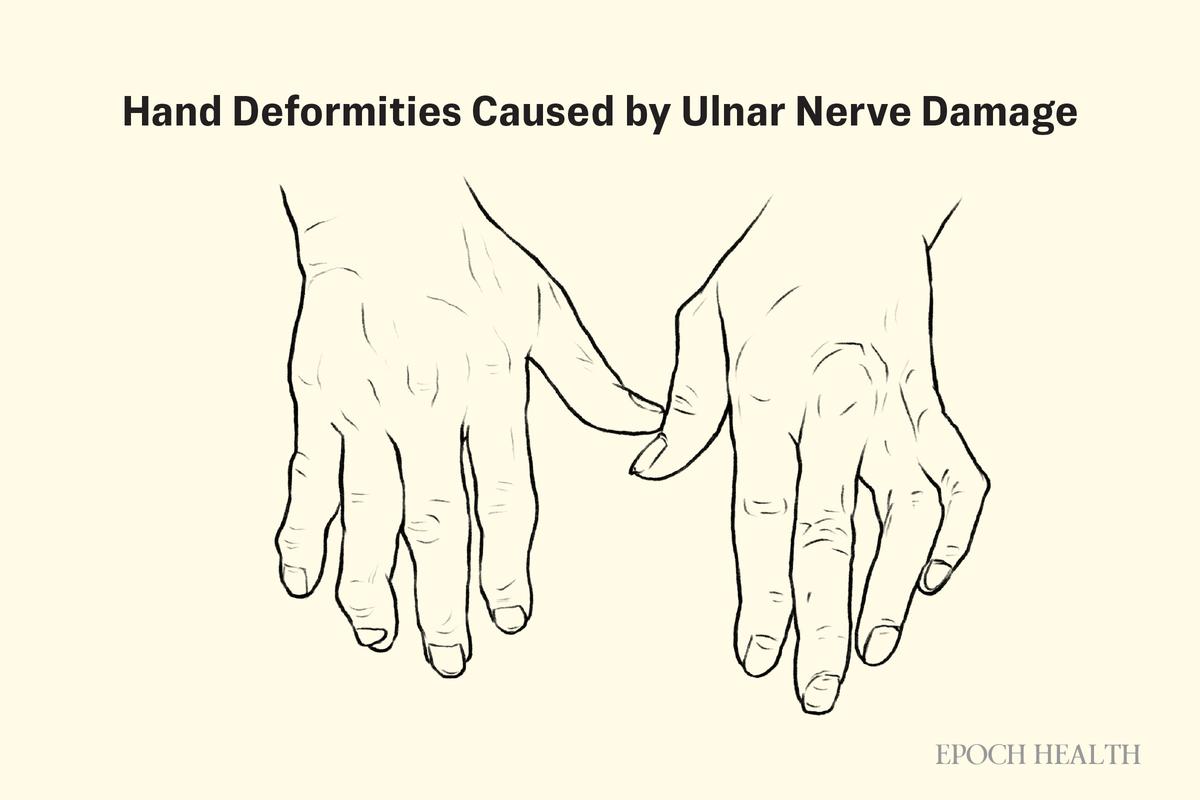
- Deformities: Diabetic foot deformities are common, but hands can also be affected -- such as bending of the ring and little fingers, which often suggests involvement of the ulnar nerve
Beyond the Extremities
Diabetes-related neuropathy can also present with other symptoms, including autonomic neuropathy, which affects automatic functions such as heart rate, gastrointestinal motility, and bladder and bowel function.
- Irregular heartbeat
- Gastrointestinal issues, such as constipation or frequent diarrhea
- A brief feeling of lightheadedness when standing up suddenly from a lying or seated position
- Abnormal sweating, either excessive sweating or the absence of sweating
Wu also described another type of neuropathy known as small-fiber neuropathy, in which the symptoms include a persistent burning sensation on the soles of the feet.