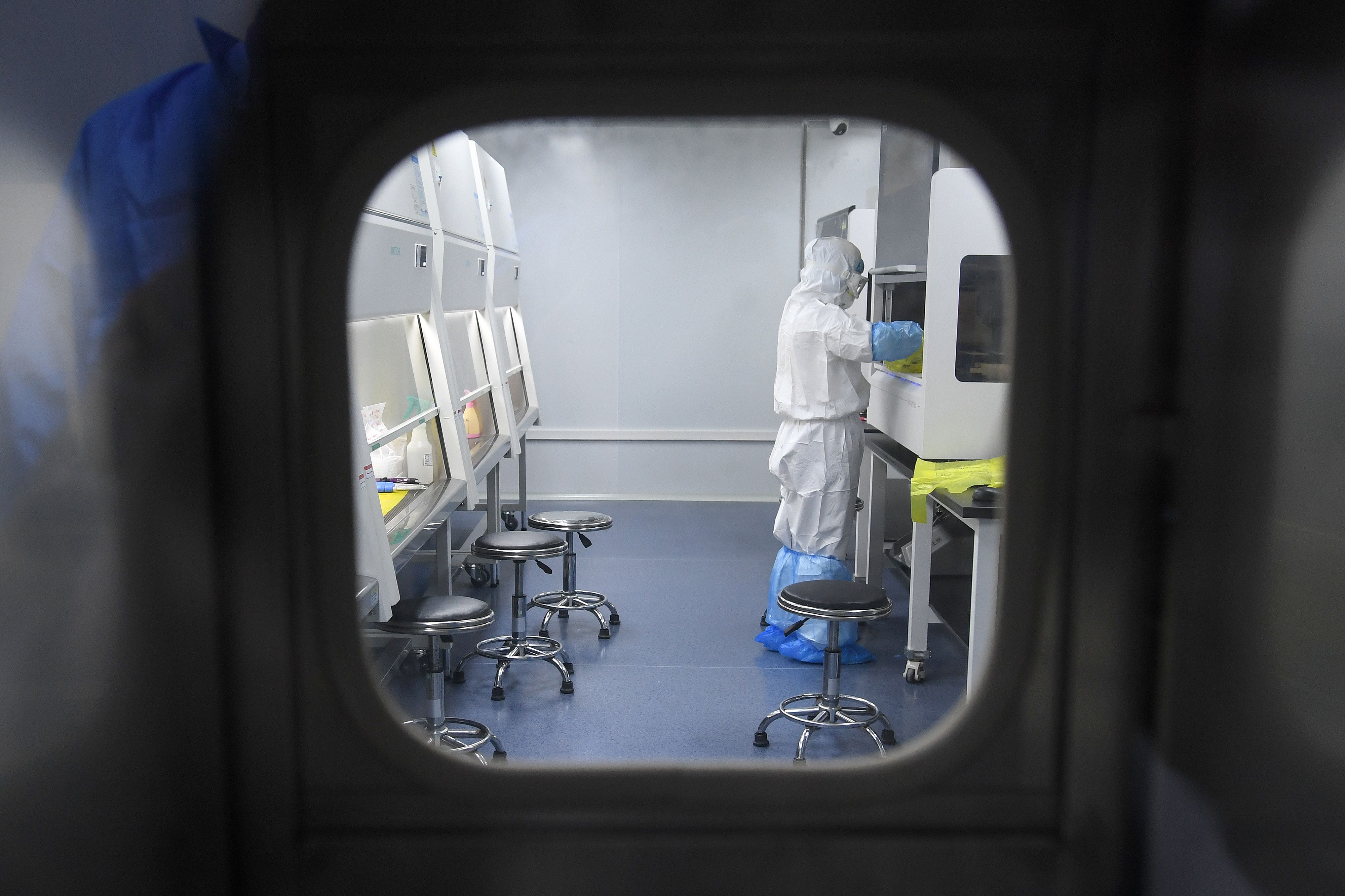

A suspected chemical leak on May 7 at a Shanghai lab has sparked concern after screenshots of internal group chats leaked online alleged that students felt unwell after an unauthorized experiment involving cyanogen bromide, a highly toxic chemical compound.
Regulatory authorities and the research institution involved—the Center for Excellence in Molecular Cell Science, part of the Chinese Academy of Sciences—have not publicly confirmed the incident as of the time of publication.
About 10 pages of screenshots circulating on Chinese messaging platforms appeared to show conversations among lab personnel discussing what they referred to as a “cyanogen bromide leak incident” on the 13th floor of the laboratory building in Shanghai.
According to the chat records, two first-year graduate student interns conducted a protein-cleavage experiment after obtaining an experimental protocol from an associate researcher. The messages indicated that cyanogen bromide was used during the procedure.
Participants in the group chats alleged that the students experimented without informing laboratory staff or filing the required reports. They stated they believed the chemical had fully evaporated in a fume hood and placed the related containers in a cold storage room connected to the building’s ventilation system.
Several individuals in the chats said the contamination spread through exhaust systems linked to multiple floors of the lab building, including cell culture rooms. The Epoch Times was unable to verify the claims.
Concerns Over Exposure
A China-based chemistry teacher told The Epoch Times that cyanogen bromide is classified as a highly toxic chemical and is typically subject to strict lab regulations.
Sources in China who spoke to the publication declined to provide their names due to security concerns and potential reprisal by authorities.
“If students were operating it independently without complete reporting procedures, then this would not simply be an operational mistake; it would point to failures in lab management,” the teacher said.
Screenshots circulating online also included what appeared to be a PDF document saying “TVOC Levels Exceeding Standards.”
TVOC, or total volatile organic compounds, is a common indicator of airborne chemical pollution. Elevated TVOC levels in labs or enclosed industrial spaces can indicate high concentrations of volatile chemicals in the air.
Exposure to high concentrations of these gases can cause symptoms such as dizziness, nausea, chest tightness, and breathing difficulties, according to the Environmental Protection Agency. Prolonged exposure may damage the liver, kidneys, and nervous system.
“If laboratory ventilation is insufficient, or if the chemicals spread through enclosed spaces, the risks become much higher,” the chemistry teacher said.
Under China’s hazardous chemical regulations, leaks involving highly toxic chemicals or poisoning incidents are supposed to trigger emergency response measures and immediate reporting to regulators, the teacher added.
According to the chat records, several people who later entered the cold storage room experienced physical discomfort, and some were sent to the hospital. One message said that some individuals showed abnormal enzyme levels associated with liver and kidney damage.
The screenshots also suggested that people inside the laboratory building were not immediately informed after the incident occurred.
“The teacher(s) and the lab manager(s) left as soon as they learned about it that day,” one participant wrote in the chats, according to the screenshots. Another said, “No students were notified.”
Transparency Questions
China has experienced multiple incidents involving cyanide compounds in recent years, some resulting in poisoning cases and deaths. While Chinese regulations require strict management, ventilation systems, and emergency reporting procedures for highly toxic chemicals, public disclosures following such incidents have often been limited.
A veteran Chinese journalist from Henan Province told The Epoch Times that the Chinese regime often prioritizes controlling public reaction over transparency following major safety incidents.
“In many cases involving pollution or public safety, complaints from ordinary people go nowhere,” he said.
He described previous cases involving pesticide contamination and industrial wastewater allegedly polluting farmland.
“I’ve visited places where farmland was contaminated for years by heavy metal wastewater. Local farmers didn’t even dare eat the grain they grew themselves,” he said.
The journalist also criticized the regime’s emphasis on suppressing information that could trigger public concern.
He compared the handling of the alleged laboratory incident to the Chinese regime’s initial response during the 2003 SARS outbreak and the early stages of the COVID-19 pandemic, when the regime was accused of withholding information and suppressing reporting.
Hu Ying contributed to this report.