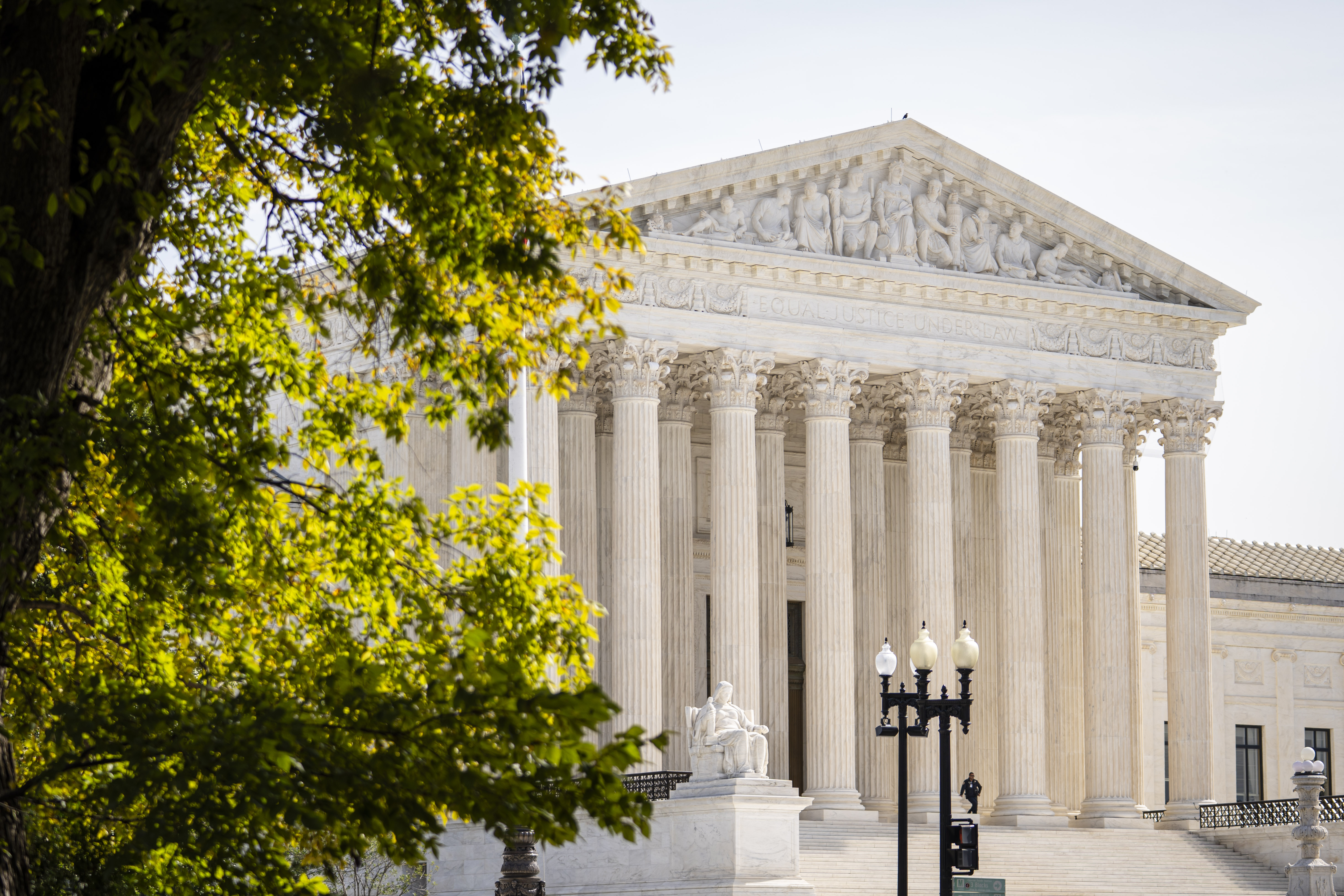
The U.S. Supreme Court will hear oral arguments on Tuesday to determine whether Colorado can bar some Catholic schools from participating in a preschool voucher program.
Colorado has a program that funds preschool education, and parents can pick from public or private schools. To receive funding, the school must enroll children “regardless of race, ethnicity, religious affiliation, sexual orientation, gender identity, lack of housing, income level, or disability.”
Catholic schools in the state are ineligible since they refuse to admit children of same-sex couples. Doing so would compromise their “mission and Catholic identity” and cause “confusion about the nature of marriage for all students enrolled,” they argue.
The Archdiocese of Denver applied for an exemption on religious grounds but was denied. The archdiocese, along with two Catholic schools and private plaintiffs, sued the state.
The archdiocese alleges the law is not applied equally because the state allows secular exemptions while denying others that affect religious groups. An example of a secular exemption would be a school for low-income families, which would discriminate against higher-income families.
Lower courts said the state’s policy only incidentally infringed on the schools’ religious freedom, since Colorado was trying to adhere to its effort to avoid discrimination.
The plaintiffs were asking the Supreme Court to overturn one of its previous decisions that said states can pass laws that infringe on religious practices when those laws are “neutral” and “generally applicable” to the public.
However, the justices have opted not to consider overruling the precedent from that case, Employment Division v. Smith.
Instead, they will decide a narrower technical question about how the precedent should be applied to Colorado’s law.
Specifically, the High Court will examine if Colorado’s law is really “neutral and generally applicable.”
The Catholic schools argue that another case, Carson v. Makin, should apply. That ruling said “a State violates the Free Exercise Clause when it excludes religious observers from otherwise available public benefits.”
But Colorado argues that Carson doesn’t count against its program because it is not excluding the schools “solely because of their religious character.”
The Supreme Court is also looking at how much discretion state officials have in granting those exemptions. Some lower courts have ruled that laws are more likely to be unconstitutional only when state officials have “unfettered” discretion to make exemptions, while others have said they may be so if they have even limited discretion.
Dawn Odean, head of Colorado’s preschool funding program, testified in lower court proceedings that exemptions could theoretically be made for schools that admit only “gender-nonconforming children,” or prioritize “children of color from historically underserved areas” and “the LGBTQ community.”
In its brief to the Supreme Court, the state later backtracked on that assertion.
“Ms. Odean was mistaken when she speculated” on the stand, because she was being asked about hypothetical scenarios “she had never previously considered or encountered,” and whether they violated the state’s policy.
Colorado now argues that its Universal Pre-K program regulations do not allow “any exceptions—discretionary or otherwise—from the equal-opportunity requirements.”