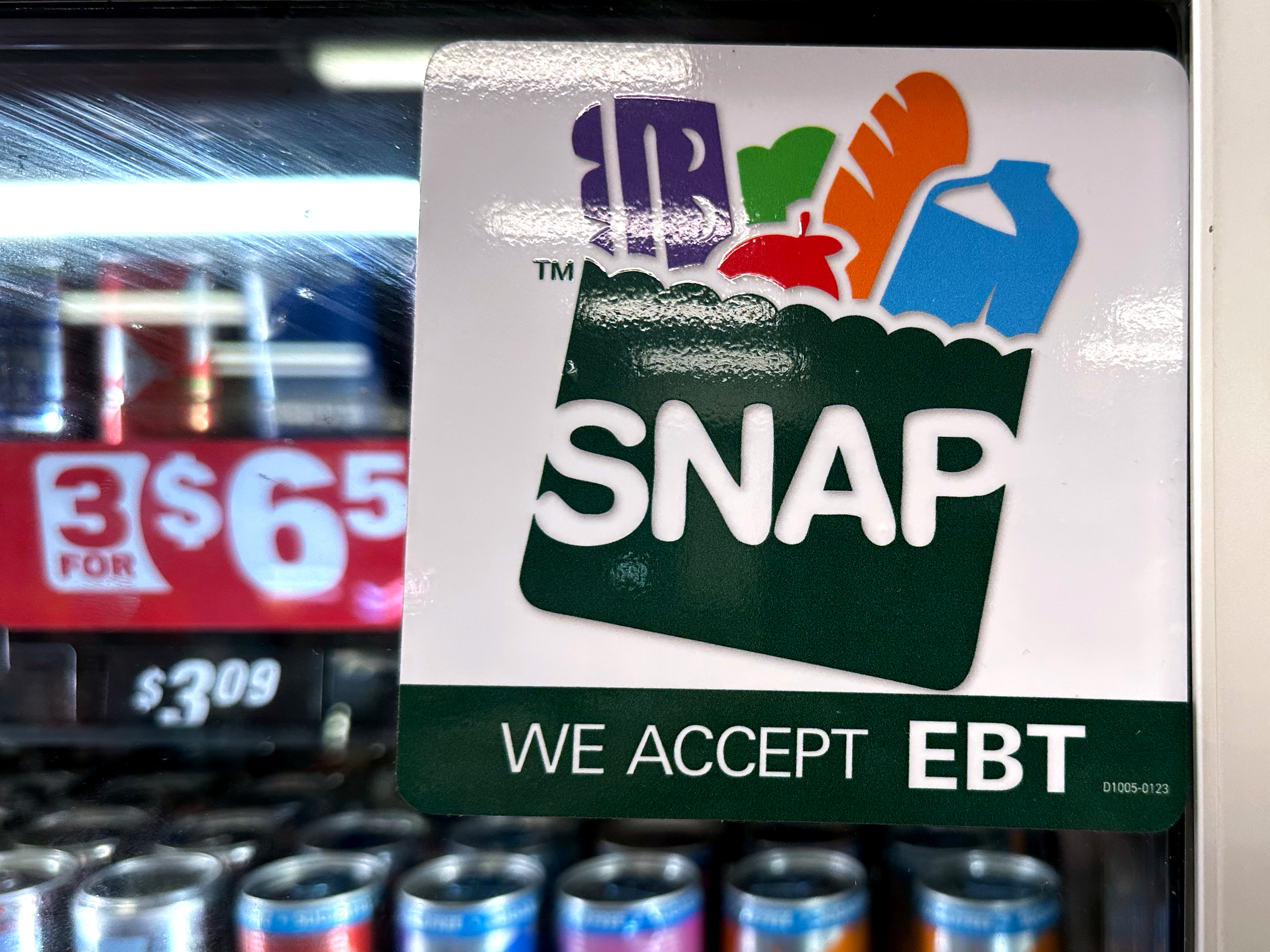

The Supplemental Nutrition Assistance Program (SNAP) has undergone changes under the Trump administration, and there are more to come.
SNAP recipients are receiving notification that their Electronic Benefits Transfer cards will not cover the cost of some foods deemed less healthy by the U.S. Department of Agriculture (USDA).
Here’s what we know about the changes.
Announcement of Changes
In December of 2025, USDA Secretary Brooke L. Rollins announced the approval of six new states that received SNAP food-choice waivers under the Make America Healthy Again initiative.
The changes will amend the statutory definition of “food for purchase” and restrict some unhealthy foods, as a way to improve the health of SNAP recipients.
“President [Donald] Trump has made it clear: We are restoring SNAP to its true purpose—nutrition. Under the [Make America Healthy Again] initiative, we are taking bold, historic steps to reverse the chronic diseases epidemic that has taken root in this country for far too long,” Rollins said in a Dec. 10 statement.
“With these new waivers, we are empowering states to lead, protecting our children from the dangers of highly-processed foods, and moving one step closer to the President’s promise to Make America Healthy Again.”
More than 20 states have changed how SNAP can be used by their residents, but some states won’t see the changes implemented until as late as February of 2028.
Rollins and Health Secretary Robert F. Kennedy Jr. have both advocated banning some foods from SNAP coverage. Kennedy said he hopes that all states will have new SNAP restrictions by the end of 2026.
What Changes and When
Similar waivers have been implemented in a number of states, including Idaho, Indiana, Iowa, Louisiana, Nebraska, Oklahoma, Utah, and West Virginia.
Other states, such as Texas, Florida, and Colorado, will implement the changes within the next month.
Recipients of SNAP benefits in those states can expect to see restrictions on the purchase of soft drinks, energy drinks, candy, and prepared desserts in Florida, while a blanket restriction on sweetened drinks and candy will apply in Texas.
Texas’s changes will come into effect on April 1, while Florida and Colorado will implement changes on April 20 and April 30, respectively.
In addition to the changes in what can be purchased with the EBT cards, nationwide eligibility has been changed.
There are now expanded work requirements for some adults, a condition that began on Feb. 1 of this year.
Created under the One Big Beautiful Bill Act that signed into law by Trump in July 2025, the new work requirements for SNAP beneficiaries target able-bodied adults without dependents.
Individuals aged 18 to 54 are required to meet some conditions to receive benefits for more than three months in three years, according to the Food and Nutrition Service.
Included in those conditions are that able-bodied adults without dependents must either work, participate in a work program, or take part in a combination of work and work program hours for 80 hours per month at a minimum, or they must remain in a workfare for the required number of hours assigned each month.
Certain individuals are exempted from that requirement, including veterans, homeless people, and pregnant women.
Criticisms and Legal Challenges
Some have pushed back against the changes to SNAP, and a lawsuit filed in the U.S. District Court for the District of Columbia states that the USDA’s actions amount to “authorizing a patchwork of state-by-state food prohibition regimes.”
The suit challenges the SNAP waivers that were issued for Colorado, Iowa, Nebraska, Tennessee, and West Virginia, the states in which the five plaintiffs reside.
“Even though the challenged waivers present the same defects USDA previously recognized, they were approved without any attempt to address, let alone resolve, those concerns,” the complaint states.
The suit claims that the USDA has violated the Administrative Procedures Act and the Food and Nutrition Act of 2008 by approving the waivers. The 2008 law governs SNAP and defines eligible foods, program rules, and how benefits can be used.
“These changes deprive SNAP recipients and their families of the food they need to maintain their health and employment, and in some cases, to survive,” the lawsuit alleged.
“Individuals with chronic illnesses are losing access to products they need to manage blood sugar or sustain diets they need to maintain baseline health care needs.
“Families must choose between using scarce cash to purchase restricted items or foregoing essential household expenses such as rent, utilities, or transportation. These harms are tangible, ongoing, and irreparable.”
Naveen Athrappully contributed to this report.