
Melbourne restaurant operators say break-ins, theft, and mounting operating expenses are adding further pressure on small businesses already struggling to keep prices affordable.
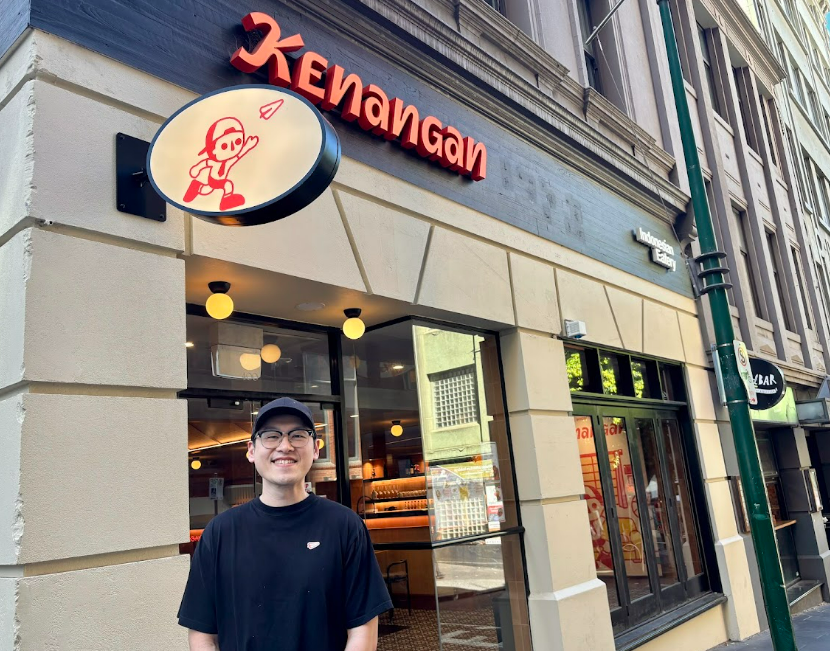
Giovanni Sutjiutama, who runs Kenangan, an Indonesian eatery whose name means “memories,” on Little Bourke Street in Melbourne’s central business district. His business was broken into during its opening week.
“The first week, somebody picked a lock at the back,” he said.
“They go in and we can see from the camera he’s looking around, and then our whole till is taken.”
Sutjiutama said his brother-in-law confronted the intruder, who escaped with the money and threw rocks towards him while fleeing.
He reported the incident to police and later learned that neighbouring businesses had experienced similar crimes.
His landlord has since added extra security to the building.
“We felt anxious and afraid when [the crime] happened,” Sutjiutama said.
Sutjiutama said people experiencing homelessness had also occupied an empty part of the building above the restaurant, although the issue had since been resolved.
“A lot of things happened within three months.”
At Claypots Barbarossa, a Mediterranean seafood restaurant on Melbourne’s popular Hardware Lane dining strip, manager Apu Sultan said intruders had previously used shovels to break the restaurant’s locks.
“Before we used to use the normal lock, but now we put extra security for the door,” said Sultan, who has worked at the restaurant for 11 years.
“A couple of years ago somebody tried to break the glass—they came inside.”
The intruders stole money, prompting Sultan to stop leaving cash on the premises.
He said people continued to attempt to open the restaurant’s locked doors, while identifying intruders from CCTV footage could be difficult because they often wore hoodies.
Sultan said some people who appeared to be affected by drugs had also attempted to enter his restaurant.
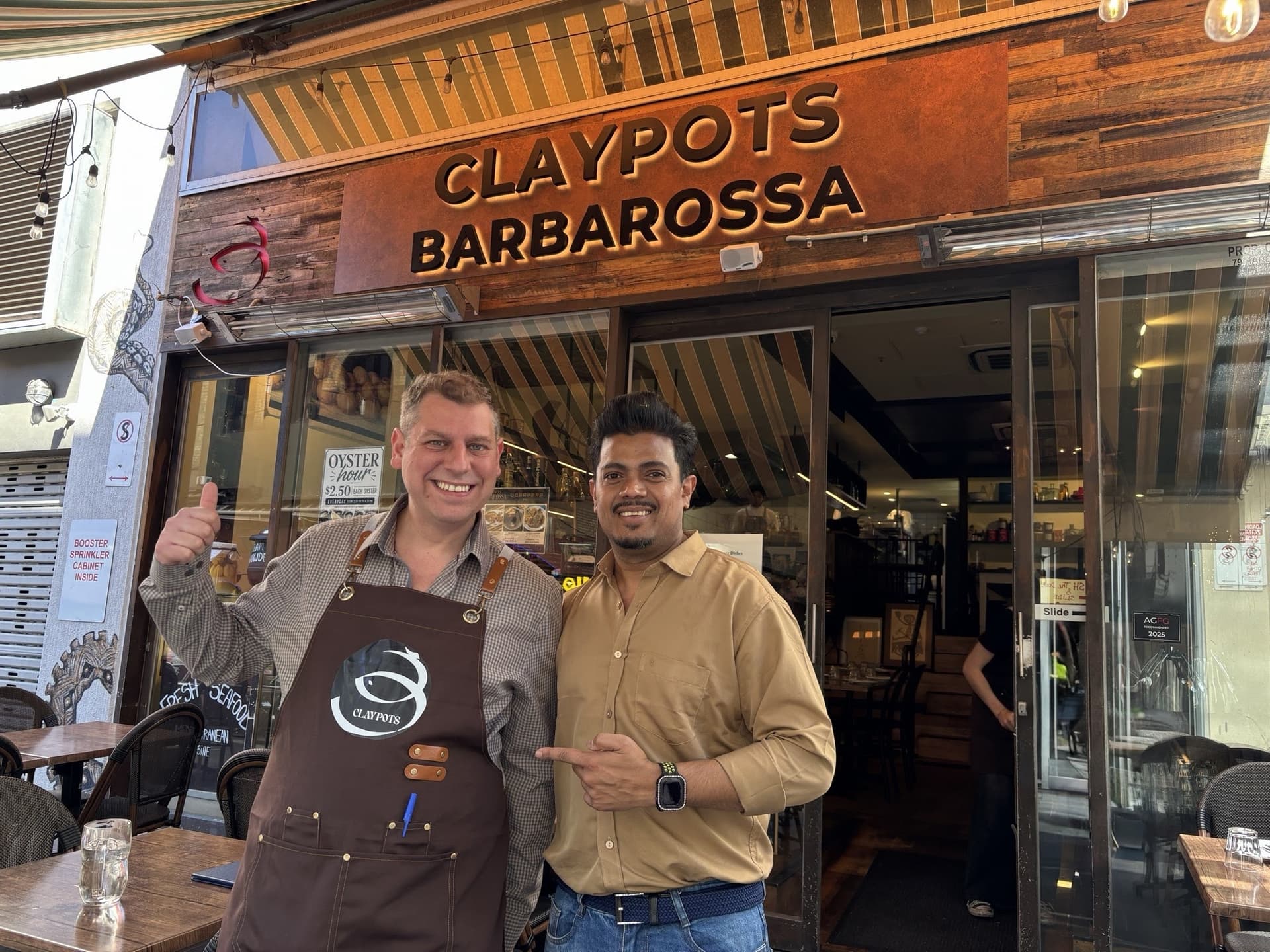
Apu Sultan (right), manager of Claypots Barbarossa on Melbourne’s Hardware Lane, says running a restaurant has becoming increasingly challenging. (Hailey Do/The Epoch Times)
Crime Concerns Despite Statewide Decline
The operators’ experiences come despite an overall decline in recorded crime across Victoria.
The state recorded 468,070 criminal incidents in the year to June 30, 2026, down 2.9 percent from 482,134 in the previous year, according to the Crime Statistics Agency.
However, the City of Melbourne recorded 1,179 non-residential burglaries during the same period, equivalent to 603 offences per 100,000 residents, compared with a statewide rate of 206.4.
Rising Costs Add to Pressure
Beyond security concerns, restaurant operators say they are contending with rising labour and supplier costs while trying to keep meals affordable.
Sutjiutama said his business was also affected by reduced foot traffic, which he attributed partly to more people working from home and fewer international visitors.
He raised concerns about two-hour parking restrictions, saying they limited the time customers could spend dining in the city.
He also said frequent changes in government policies made it difficult for small businesses to plan ahead.
Where the Parties Stand
The concerns come as Victoria’s political parties outline their approaches to small business ahead of the Nov. 28 state election.
In October, the Labor government announced the appointment of Greg Jennings as Victorian Small Business Commissioner.
“The Victorian Small Business Commission plays an important role in helping small businesses avoid and resolve disputes and overcome challenges,” Small Business Minister Natalie Suleyman said.
Jennings said Melbourne’s small businesses showed “extraordinary courage, resilience and determination” and pledged to ensure their voices were heard.
On Oct. 22, Liberal Opposition leader Jess Wilson met with small businesses in the Melbourne suburb of Prahran, where she promised to bring a “fresh start” for struggling business owners.
“That means reducing payroll tax, providing land tax relief, scrapping Labor’s emergency services tax, and making it easier for businesses to get approvals,” she said.
One Nation’s Victorian leader Warren Pickering has also raised the issue of red tape, vowing to “ensure business thrives again.”
“Under a government I lead, we promise to encourage business growth, implement Sunset clauses to ensure we no longer have to deal with bureaucratic delays [and] remove payroll tax in Regional Victoria and reduce it in metropolitan Melbourne.”
The Epoch Times contacted the parties for comment on the concerns raised by restaurant operators.
What Small Businesses Want
Sultan said governments needed to pay more attention to the everyday needs of Melbourne’s businesses.
“They need to think because Melbourne is about food life—people come to Melbourne only for food,” he said.
“So they need to think about how we’re going to do this because the restaurant owner and retail shop owner need to survive.”
Sultan also called for greater efforts to attract tourists and parking concessions for shoppers and diners.
Sutjiutama said businesses needed stability to plan for the future.
“Because if things keep changing, we need to keep changing our plan as well for the longer term of the business,” he said.