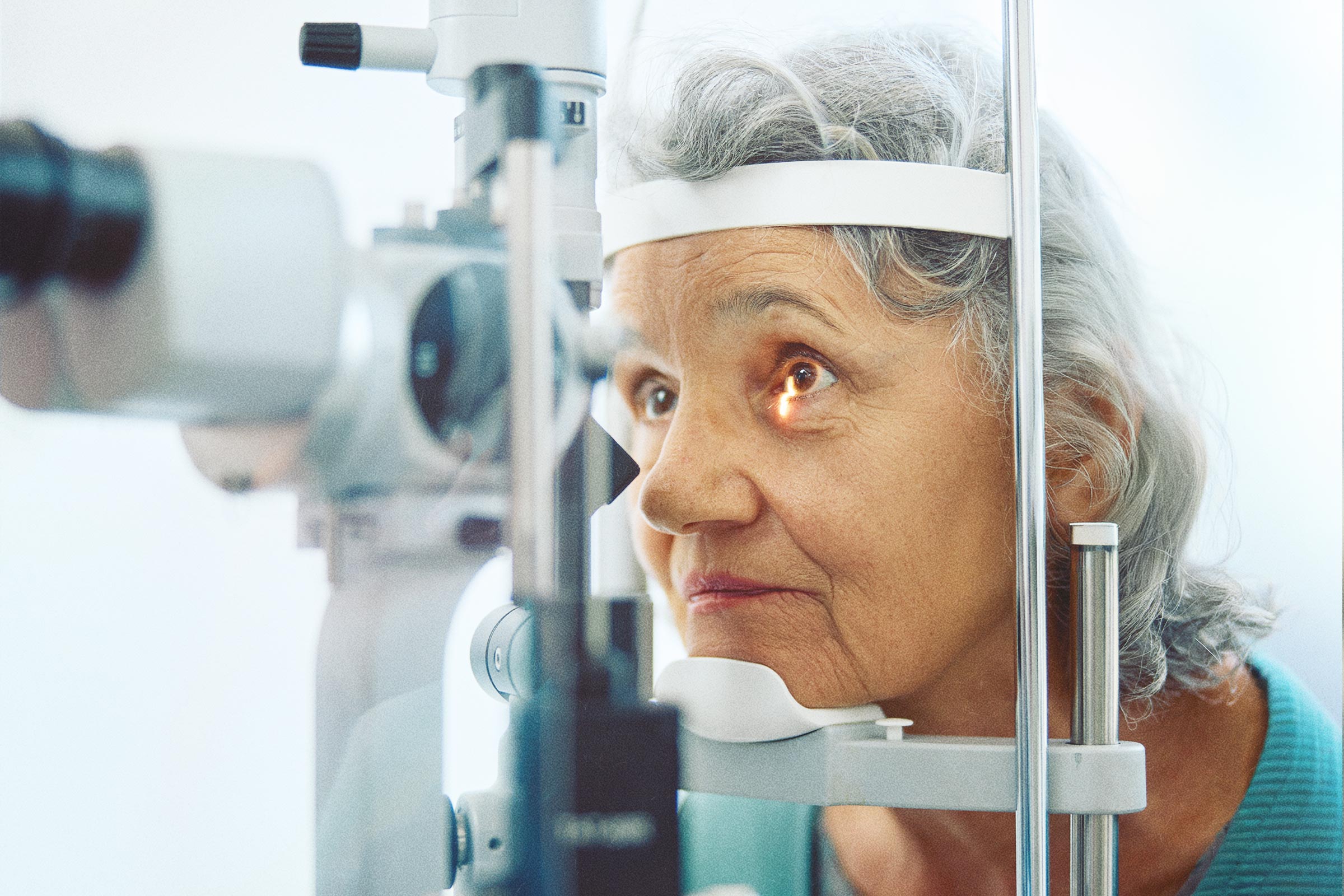

Why Does the Retina Tear?
The appearance of such spots or threads drifting in the visual field is a phenomenon called floaters. The most common cause of floaters is related to vitreous degeneration, Wang said.
3 Symptoms Requiring Immediate Medical Attention
Due to widespread eye strain in modern-day life, floaters are becoming increasingly common. “Out of 100 people, 90 are aware they have floaters; the other 10 may just be unaware,” Wang said.
- A Sudden Increase in Floaters: An increase may indicate a ruptured blood vessel in the retina.
- Flashes of Light: Because the retina contains photoreceptor cells, when stimulated by stretching, you may see flashes of light like lightning or a flashing light.
- Obstructed Vision: Fluid may seep into the retina, causing retinal detachment, making your vision feel like it is being blocked by a black “curtain” or “black screen.”
If retinal detachment has already occurred, surgery is recommended. Additionally, if vitreous hemorrhage is caused by diabetes or retinal vascular occlusion and cannot be absorbed by medication, vitrectomy is recommended to remove the blood clot and restore vision.
High-Risk Groups
The following groups are prone to floaters or related retinal problems, according to Wang:
- Over 50: People over 50 years of age who experience vitreous degeneration and clouding, leading to floaters, are also more prone to retinal tears.
- High Myopia: People with high myopia have larger eyeballs and thinner retinas, making their vitreous more prone to degeneration. Their retina is more susceptible to tears or even detachment under stretching. Studies have found that the incidence of retinal detachment is 39 times higher in people with high myopia than in those without.
- The “Three Highs”: Poorly controlled hypertension, hyperlipidemia, and hyperglycemia can affect retinal blood vessels, increasing the risk of blockage, leading to hypoxia, and subsequently the growth of fragile, easily ruptured new blood vessels. Hypertensive patients may also experience rupture of these new blood vessels when lifting heavy objects, holding their breath, or coughing violently.
- Post Eye Injury or Surgery: If the eye is struck by external force, it may cause retinal tears or detachment due to vitreous traction. Those who have undergone eye surgery are likely to have more fragile eye tissue and are therefore at higher risk.
- Family History: If there is a family history of retinal detachment, the risk is comparatively higher.
Antioxidants Are Key to Prevention
Preventing floaters involves enhancing the body’s antioxidant capacity to slow down eye degeneration. The following are ways to help protect the retina:
- Maintain a Balanced Daily Diet: Ensure sufficient nutrition, including supplements with collagen, vitamin C, lutein, and fish oil.
- Rest Your Eyes: Take a 10-minute break after every 30 minutes of screen time.
- Regular Eye Exams: Regular eye checks can detect problems early and prevent floaters from worsening.
- Avoid Smoking: Smoking accelerates eye degeneration. Studies have found that smoking increases the risk of various eye diseases, including diabetic retinopathy.
Medicinal Diets to Delay Eye Aging
Jonathan Liu, director of LIU’s Wisdom Healing Centre in Canada, and a frequent contributor to The Epoch Times, shared several medicinal diets and acupressure techniques to delay eye aging.
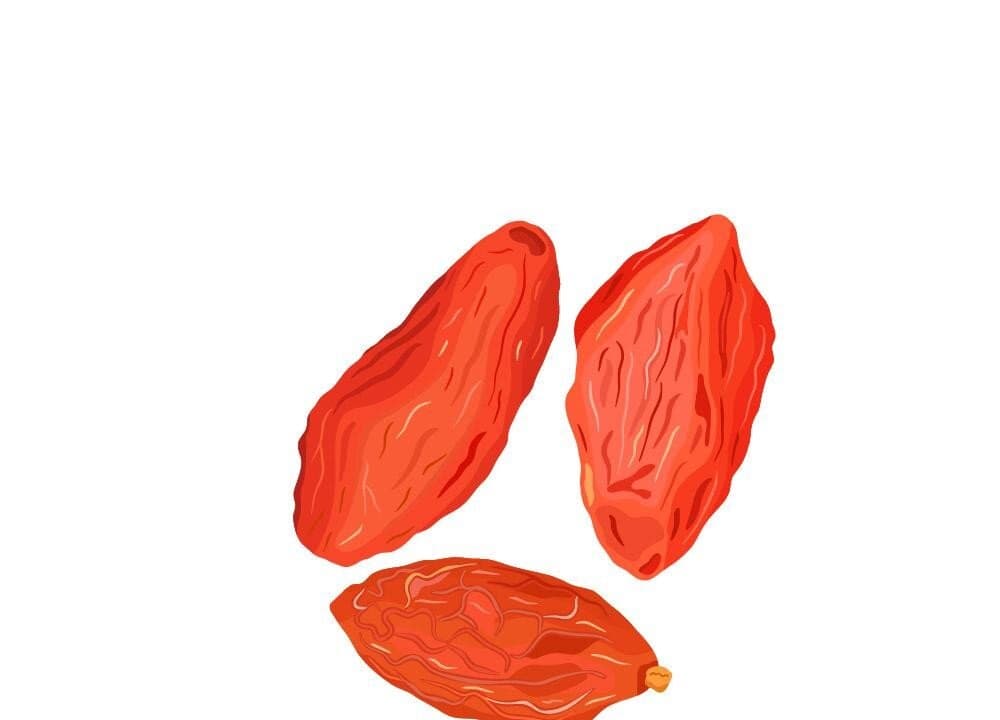
Goji Berry and Rehmannia Porridge
Ingredients
- 0.7 ounces goji berries
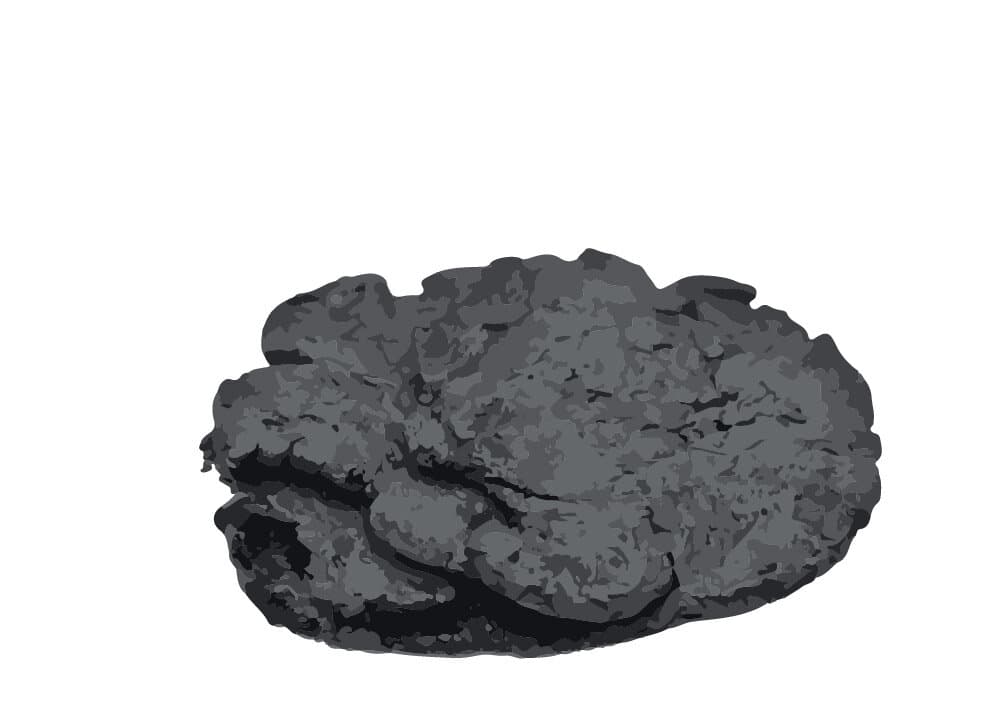
- 0.4 ounces processed rehmannia root
- 4 ounces japonica rice
- 4 to 5 cups water
Preparation
- Rinse the processed rehmannia root briefly. Add it to a pot with about 4 cups of water.
- Bring to a boil, then reduce to low heat and simmer for 20 to 30 minutes to extract its medicinal components.
- Strain the liquid and discard the solid residue, keeping the herbal decoction.
- Rinse the rice and add it to the decoction along with the goji berries.
- Add an additional 1 cup of water if needed, then simmer over low heat for 30 to 40 minutes, stirring occasionally, until the mixture reaches a soft, porridge-like consistency.
- Serve warm.
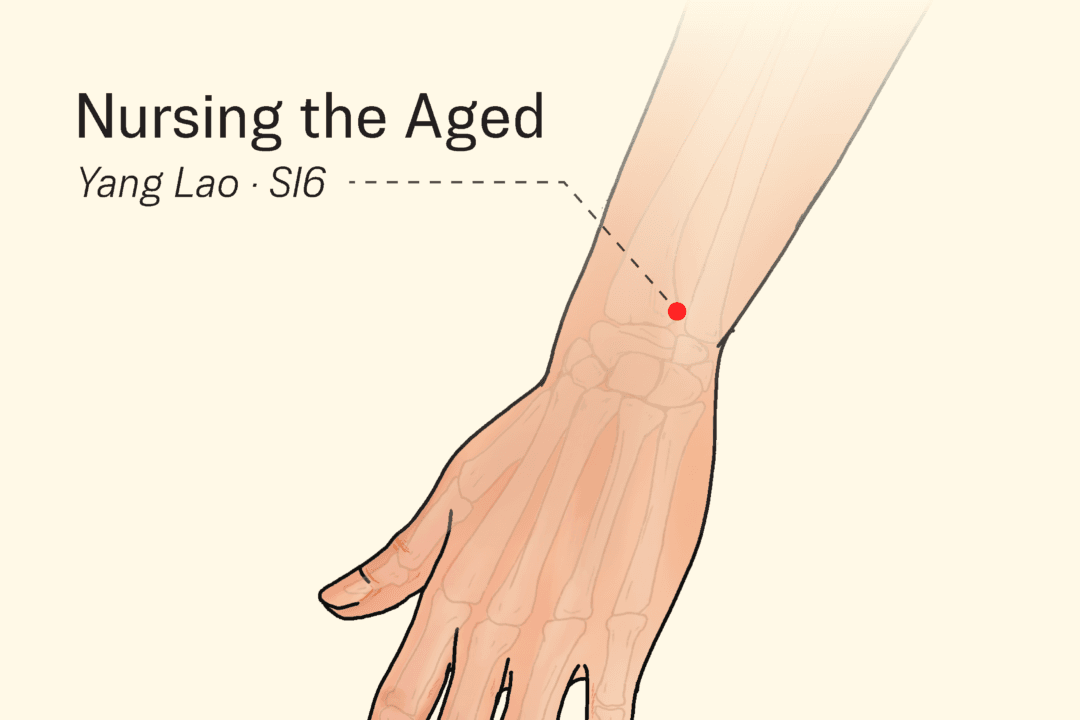
Acupressure Massage
For floaters caused solely by aging, daily acupressure massage can be used as part of healthy upkeep. Massage twice a day, about 50 times each session, to help reduce discomfort.
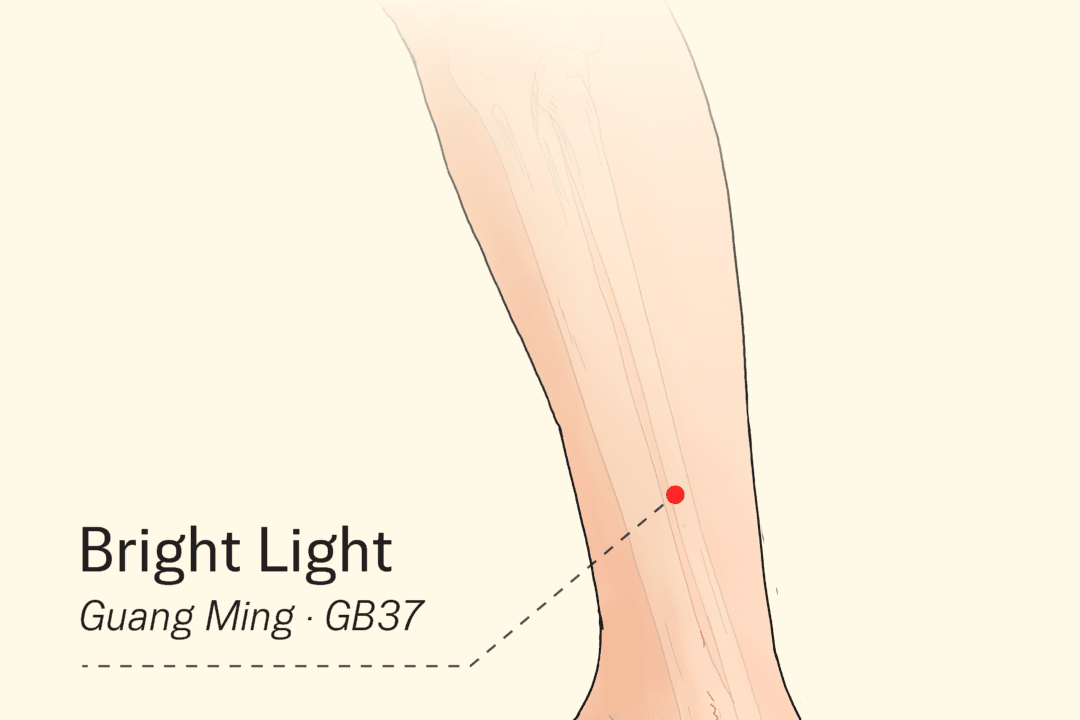
Daily Regulation for Eyes and Brain
What should you do if annoying floaters in your field of vision persist for a long time? Naiwen Hu, a frequent contributor to The Epoch Times and a traditional Chinese medicine practitioner, suggests gently shaking your head while focusing your eyes on the location of the floaters. The head shaking will cause floating debris in the vitreous humor to move and settle, reducing its impact on vision over time.