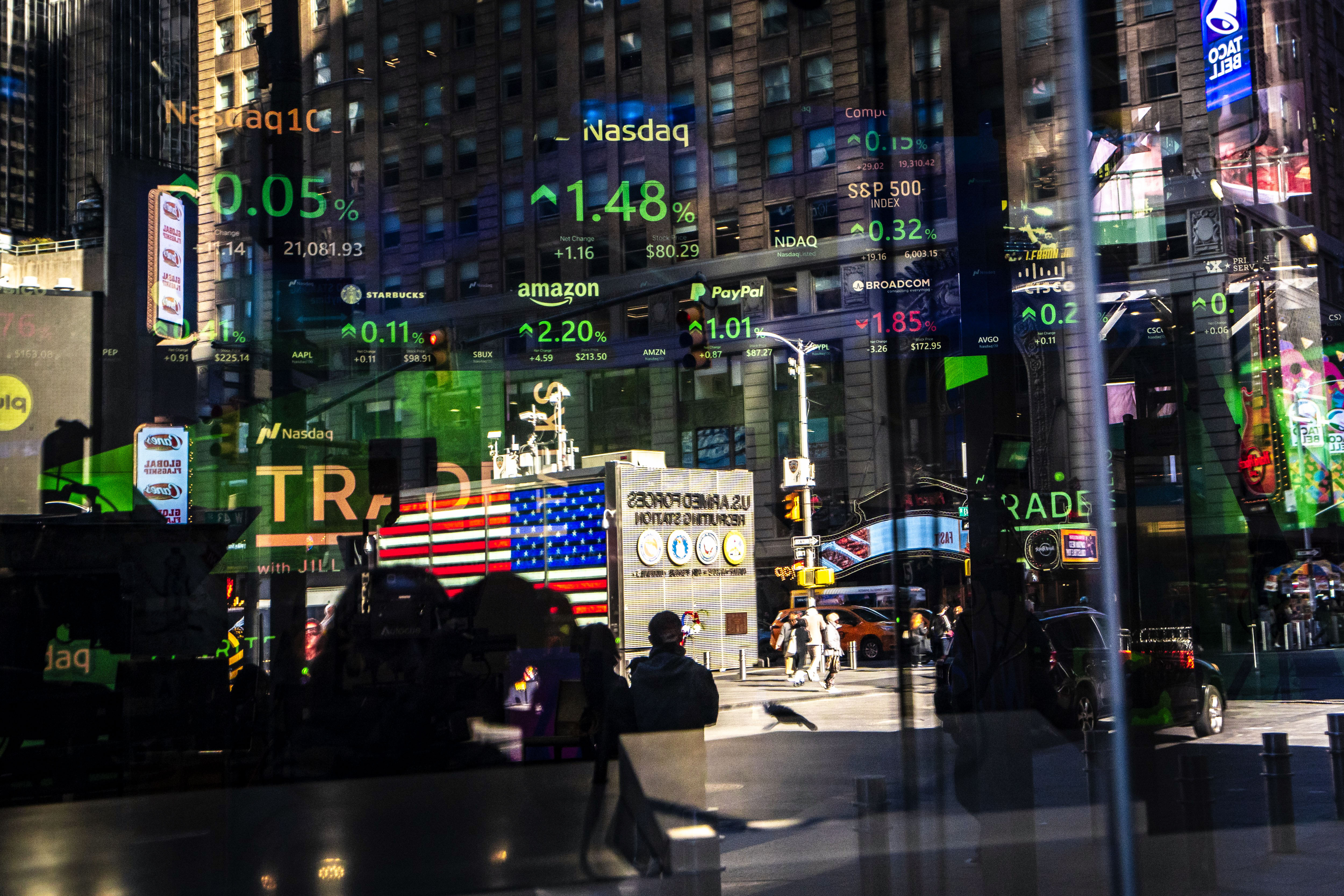
Nasdaq proposed a rule change on Friday that would give the exchange limited discretion to deny initial public offerings (IPOs) even when applicants meet all formal listing requirements, according to filings with the Securities and Exchange Commission (SEC).
The move aims to curb a growing number of suspected “pump-and-dump” schemes involving small, foreign-based companies—many with ties to China—that have gone public in the United States in recent years and inflicted heavy losses on U.S. investors.
“Pump-and-dump” schemes refer to situations where stock prices are artificially driven high before selling, leaving investors with steep losses.
Under the proposal, Nasdaq would be allowed to deny an IPO even if a company meets all formal listing requirements, provided the exchange identifies warning signs that the stock could be easily manipulated or subject to extreme volatility.
Exchange Targets Volatility
In its filing, Nasdaq said current rules do not permit the exchange to reject a listing solely based on factors such as a company’s trading profile, geographic location, the track records of its advisers, or the influence of controlling shareholders. The proposed changes would grant Nasdaq limited discretionary authority based on such considerations.
Nasdaq said it would assess a range of risk factors, including where a company is headquartered and whether U.S. investors would have access to meaningful legal remedies in that jurisdiction. The exchange would also consider the influence of major shareholders, the experience of the board and management team, and the past records of advisers such as auditors, underwriters, and law firms. Other factors include the size of the public float, whether the company has issued any going-concern warnings, and whether its profile resembles past cases that experienced extreme and abnormal stock price swings.
Nasdaq said the rule change is intended to increase transparency by clarifying which characteristics may make a stock more susceptible to improper third-party manipulation.
Extreme Price Swings
The filing noted that many of the most extreme volatility cases in recent years have involved small companies based in Asia. In some instances, shares surged more than 2,000 percent on their first day of trading before rapidly collapsing.
Several such cases have drawn scrutiny this year. Regencell Bioscience Holdings Ltd., a Hong Kong-based traditional Chinese medicine company with no reported revenue, saw its stock rise about 46,000 percent from March to mid-June this year before plunging. In October, the Department of Justice said it had opened an investigation into the company. Separately, Pheton Holdings Ltd., a small Chinese health care firm, lost more than 90 percent of its market value within minutes during trading in July.
Nasdaq has already taken steps to tighten listing standards. In September, the exchange introduced stricter requirements, including higher minimum public float thresholds for certain IPOs, faster delisting procedures for thinly traded stocks, and additional conditions for companies operating in China.
The latest proposal now awaits SEC approval. Since late September, the SEC has suspended trading in a dozen Asian microcap stocks listed on Nasdaq over suspected market manipulation, warning that in some cases social media fraudsters had artificially inflated share prices.
Nasdaq said in its filing that if approved, the new rule would take effect immediately. The SEC has not commented on the proposal. While rule changes typically take effect 30 days after filing, the SEC may authorize a shorter timeline if it determines the change serves investor protection and the public interest.
Gao Shan contributed to this report.